Flexibility is one of the most fascinating abilities of the human body. Through consistent training, patience, and proper technique, the body can gradually develop an incredible range of motion. Among the most advanced forms of flexibility training are contortion stretching and advanced yoga poses, including the impressive and challenging legs-behind-head positions.
These movements require a combination of strength, flexibility, body awareness, and discipline. While they may look effortless when performed by experienced practitioners, achieving them takes months or even years of dedicated practice.
Understanding Contortion and Advanced Flexibility
Contortion is a discipline that focuses on extreme flexibility and control of the body. Often seen in circus performances, gymnastics, and advanced yoga practices, contortion involves bending and stretching the body into positions that appear almost impossible.
However, behind these impressive movements lies careful training. Contortionists and advanced yoga practitioners do not simply force their bodies into extreme shapes. Instead, they build flexibility gradually through controlled stretching, strengthening exercises, and mindful breathing.
The body must be conditioned slowly to adapt safely to these positions.
The Connection Between Yoga and Contortion
Yoga has long been known for improving flexibility, balance, and mental focus. While traditional yoga emphasizes mindfulness and gentle stretching, advanced yoga poses can reach levels of flexibility similar to contortion techniques.
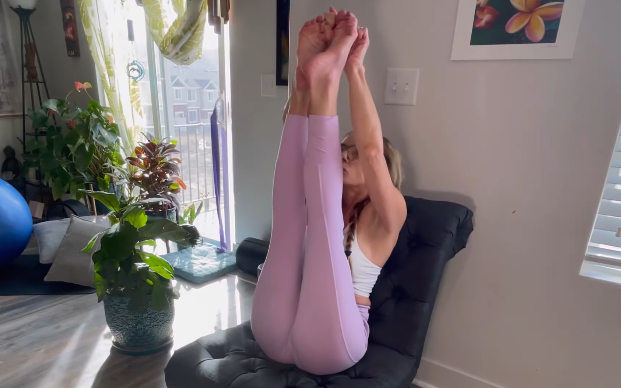
One category of these advanced poses involves deep hip opening and spinal flexibility, which allows the legs to move behind the head. These poses require flexible hamstrings, open hips, a strong core, and a mobile spine.
Many practitioners spend years developing the mobility required for these poses.
Preparing the Body for Advanced Stretching
Before attempting advanced positions, it is essential to warm up the body properly. Cold muscles are more prone to injury, so preparing the body through gentle movements is a crucial first step.
A typical warm-up routine may include:
- Light cardiovascular activity to increase blood circulation
- Dynamic hamstring stretches
- Hip-opening movements
- Gentle spinal mobility exercises
- Shoulder and neck stretches
These exercises activate the muscles and gradually increase the body’s flexibility.
Once the body feels warm and mobile, deeper stretches can begin.
Building Flexibility in the Hips and Hamstrings
The ability to bring the legs behind the head depends heavily on hip flexibility. Tight hips restrict movement and make advanced positions much more difficult.
Common stretches used to open the hips include:
- Seated forward folds
- Butterfly stretches
- Pigeon pose
- Deep lunges
- Straddle stretches
These exercises help lengthen the muscles around the hips and thighs, allowing the legs to move more freely.
Hamstring flexibility is also essential. The hamstrings run along the back of the thighs and must stretch significantly for many advanced yoga poses.
Regular hamstring stretching gradually increases range of motion and reduces tension in the legs.
Developing Spinal Flexibility
Another important aspect of contortion and advanced yoga is spinal mobility. The spine must remain strong while allowing controlled bending in different directions.
Backbending exercises help improve spinal flexibility and strengthen the muscles that support the spine.
Common backbend exercises include:
- Cobra pose
- Bridge pose
- Camel pose
- Wheel pose
These movements gently open the chest and extend the spine, preparing the body for deeper contortion positions.
However, it is important to approach backbends carefully. Overstretching the lower back without proper muscle support can lead to discomfort or injury.
Learning Legs-Behind-Head Poses
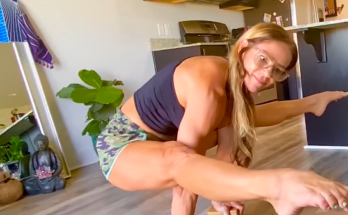
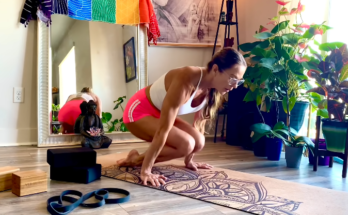
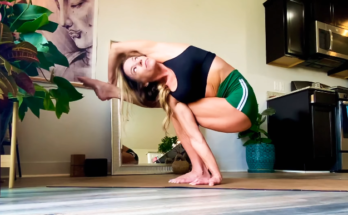
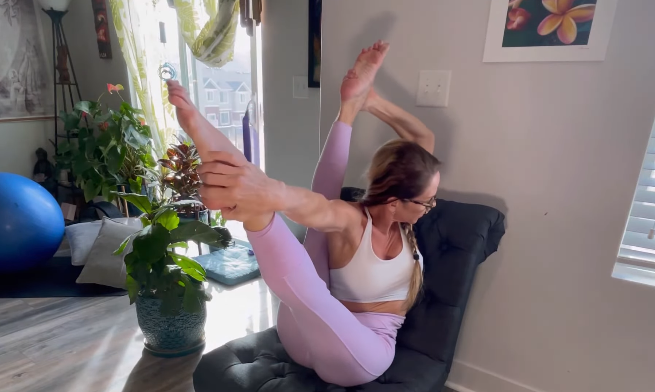
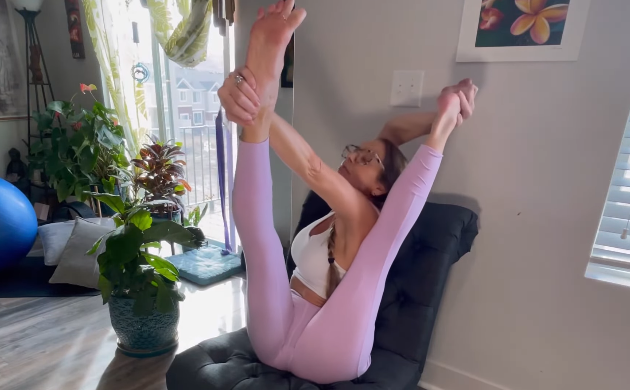
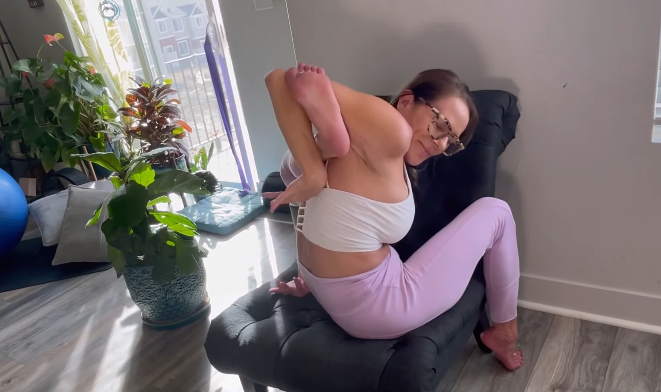
The legs-behind-head position is one of the most recognizable advanced yoga poses. In this position, one or both legs move behind the head while the practitioner maintains balance and control.
This posture requires deep flexibility in the hips and hamstrings, as well as strong abdominal muscles to stabilize the body.
Beginners often start by practicing simpler variations, such as bringing one leg behind the shoulder while sitting. Over time, with consistent stretching and training, the leg can gradually move higher toward the back of the neck.
Eventually, advanced practitioners may be able to place both legs behind the head while maintaining a seated or balanced position.
While these poses may appear dramatic, they should always be practiced slowly and carefully.
The Role of Strength and Control
Flexibility alone is not enough for safe contortion practice. Strength is equally important.
Strong muscles support the joints and help control movement during deep stretches. Without strength, the body may collapse into positions rather than holding them safely.
Core muscles are especially important. A strong core stabilizes the spine and helps maintain balance during challenging poses.
Exercises such as planks, leg lifts, and slow controlled movements can help build this strength.
Breathing and Relaxation
Breathing plays a major role in advanced flexibility training. When the body is relaxed, muscles can stretch more effectively.
Deep, controlled breathing helps reduce tension and allows practitioners to move deeper into stretches without forcing the body.
In yoga practice, breathing also helps maintain focus and calmness during challenging poses.
When approaching a difficult stretch, slow breathing encourages patience and prevents unnecessary strain.
Safety and Patience
One of the most important principles in contortion stretching and advanced yoga is patience. Flexibility cannot be rushed. Trying to force the body into extreme positions too quickly can lead to injuries such as muscle strains or joint damage.
Instead, progress should happen gradually over time.
Practitioners should listen carefully to their bodies. Mild stretching sensations are normal, but sharp pain is a sign to stop immediately.
Working with experienced instructors can also help ensure proper technique and alignment.
Benefits of Advanced Flexibility Training
Although advanced yoga poses may seem purely aesthetic, they offer several benefits for the body and mind.
Improved flexibility allows joints to move more freely and can reduce muscle stiffness. This increased mobility can support better posture and overall physical comfort.
Contortion and advanced stretching also improve body awareness. Practitioners learn to control their movements with precision and understand how different muscles work together.
Additionally, many people find the practice deeply relaxing. The combination of stretching, breathing, and concentration helps calm the mind and reduce stress.
A Journey of Discipline and Grace
Contortion stretching and advanced yoga poses represent the remarkable adaptability of the human body. Through dedication, patience, and mindful practice, flexibility can expand far beyond what many people initially believe possible.
However, the true beauty of these practices lies not just in achieving impressive poses like legs-behind-head positions. The real value is in the journey—the gradual progress, the growing body awareness, and the balance between strength and flexibility.
Each stretch, each breath, and each small improvement brings practitioners closer to mastering their own bodies.
With careful training and respect for the body’s limits, advanced flexibility becomes not just a physical achievement but a powerful expression of discipline, control, and grace.