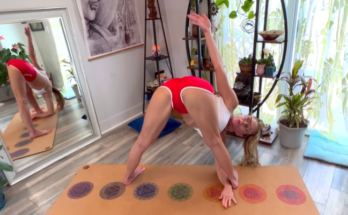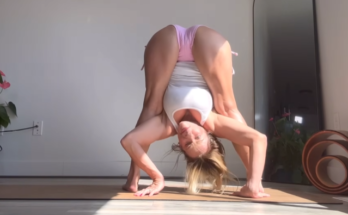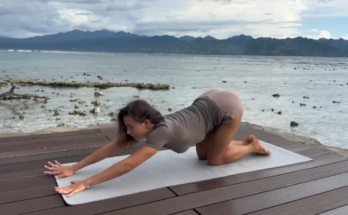
Stretching and yoga are two closely connected practices that support physical health, mental clarity, and emotional balance. While they are often mentioned together, each has its own identity and purpose. Stretching focuses primarily on lengthening muscles and improving flexibility, while yoga is a holistic system that combines stretching, strength, breathing, and mindfulness. Together, stretching and yoga create a powerful approach to caring for the body and mind in a balanced, sustainable way.
Stretching is one of the most natural movements humans perform. From the instinctive stretch after waking up to gentle movements after physical activity, stretching helps release tension and restore comfort in the body. It improves blood circulation, increases joint mobility, and reduces stiffness caused by inactivity or repetitive tasks. Regular stretching supports better posture, reduces muscle soreness, and helps the body move more efficiently in everyday life.
Yoga builds upon the physical benefits of stretching but goes further by integrating breath, awareness, and intention. Yoga postures, or asanas, often involve deep stretches, but they also require strength, balance, and coordination. Unlike basic stretching routines that may focus only on specific muscle groups, yoga works the body as a whole. Each pose is designed to create harmony between effort and ease, stability and flexibility.
One of the strongest connections between stretching and yoga is breath. In simple stretching, breathing deeply helps muscles relax and allows for safer, more effective lengthening. In yoga, breath becomes central to the practice. Controlled breathing, known as pranayama, guides movement and helps calm the nervous system. When breath and movement are synchronized, the body feels more fluid, and the mind becomes more focused.

Stretching is often used as preparation or recovery for physical activity. Athletes, dancers, and people with active lifestyles rely on stretching to prevent injury and maintain mobility. Yoga serves a similar role but also enhances body awareness and control. Yoga poses gently challenge muscles while encouraging relaxation, making it an ideal complement to both active and sedentary lifestyles.
The spine plays a key role in both stretching and yoga. Gentle spinal stretches help counteract the effects of long hours spent sitting or standing. Movements such as forward bends, backbends, and twists nourish the spine by improving circulation and maintaining flexibility. In yoga, spinal health is considered essential for overall well-being, as the spine supports posture, movement, and the nervous system.
Another important area shared by stretching and yoga is the hips. The hips often store physical tension and emotional stress, especially for people who sit frequently. Stretching the hips can bring a sense of release and grounding. Yoga includes many hip-opening poses that encourage both physical flexibility and emotional relaxation. Practiced gently, these poses can improve comfort, mobility, and emotional balance.
Stretching and yoga also support mental health. Stretching can be calming, especially when practiced slowly and mindfully. Yoga amplifies this effect by encouraging present-moment awareness. Through focused breathing and intentional movement, yoga helps quiet mental noise and reduce stress. Over time, regular practice can improve concentration, emotional resilience, and overall mood.
One key difference between stretching and yoga lies in intention. Stretching is often goal-oriented, focusing on flexibility, recovery, or relief from discomfort. Yoga emphasizes the experience of the practice itself rather than the end result. In yoga, how you move and how you breathe matter as much as the pose you achieve. This mindset encourages self-acceptance and patience.
Consistency is essential in both practices. Stretching occasionally can feel good, but regular stretching leads to lasting improvements in flexibility and comfort. Yoga, when practiced consistently, creates deeper changes not only in the body but also in the mind. Even short daily sessions can have a significant impact over time.

Listening to the body is a core principle shared by stretching and yoga. Stretching should never involve sharp pain; it should feel like a gentle, controlled pull. Yoga follows the same rule. Each pose can be modified to suit individual needs and abilities. Respecting personal limits builds a safe, sustainable practice and prevents injury.
Another important aspect is balance. Stretching often targets areas that feel tight, but yoga encourages balanced movement by strengthening weak muscles while stretching tight ones. This balance improves posture, stability, and overall movement quality. A body that is both strong and flexible is more resilient and less prone to injury.
Yoga also introduces an element of mindfulness that transforms stretching into a deeper practice. Mindfulness means paying attention to sensations, thoughts, and breath without judgment. When stretching is done mindfully, it becomes more effective and more enjoyable. Yoga trains this awareness consistently, making it easier to carry into daily life.
Recovery and rest are supported by both stretching and yoga. Gentle stretches help muscles relax and improve circulation after physical exertion. Restorative yoga takes this further by using supported poses and long holds to encourage deep relaxation. These practices activate the body’s relaxation response, supporting better sleep and recovery.
Stretching and yoga are accessible to people of all ages and fitness levels. They can be adapted to suit individual needs, whether someone is very active, recovering from injury, or simply seeking relaxation. Yoga offers many styles, from slow and gentle to more dynamic and physically challenging, allowing everyone to find a suitable approach.
Emotionally, both stretching and yoga can be deeply nourishing. Tension in the body is often connected to emotional stress. Stretching tight areas can create a sense of relief and emotional lightness. Yoga, with its emphasis on breath and awareness, can help process emotions and cultivate inner calm.

Over time, stretching improves how the body feels during everyday activities. Movements become smoother, posture improves, and discomfort decreases. Yoga extends these benefits by improving balance, coordination, and body awareness. Together, they enhance overall quality of life.
Another important lesson from stretching and yoga is patience. Flexibility and strength develop gradually. Some days the body feels open and responsive; other days it feels stiff and resistant. Both practices teach acceptance of these fluctuations. Progress is not always visible, but consistency brings results.
Stretching and yoga also encourage a deeper connection with the body. In a busy world, it is easy to ignore physical signals until discomfort becomes pain. Regular practice helps you notice tension early and respond with care. This awareness fosters a healthier relationship with the body.
Ultimately, stretching and yoga are not about achieving perfect poses or extreme flexibility. They are about creating space—physically, mentally, and emotionally. Stretching creates space in muscles and joints; yoga creates space in the mind and heart. Together, they support a balanced, mindful way of moving through life.
By integrating stretching and yoga into daily routines, we give ourselves the gift of presence, comfort, and resilience. These practices remind us to slow down, breathe deeply, and move with intention. In doing so, stretching and yoga become more than exercise—they become tools for long-term well-being, self-awareness, and inner peace.