The afternoon heat pressed down like a heavy blanket, turning the dusty road into a shimmering ribbon of light. I had just finished delivering supplies to a nearby village when I noticed a small crowd gathered near an empty lot. Their voices carried a strange mix of agitation and curiosity.
Something felt wrong.
As I drew closer, I heard sharp sounds—stones hitting the ground, a faint whimper, laughter that made my stomach tighten. My steps quickened.
Then I saw him.
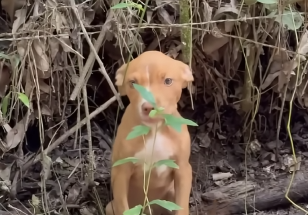
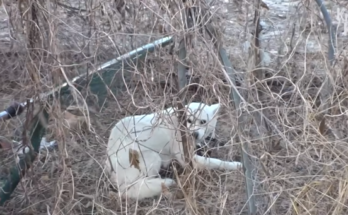
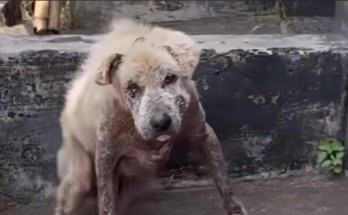
A tiny puppy crouched near a pile of broken bricks, his body pressed low, trembling uncontrollably. His fur was patchy and caked with dirt, and one eye was swollen nearly shut. Small rocks lay scattered around him, some still rolling to a stop.
A boy picked up another stone.
“Stop!” I shouted, my voice louder than I expected.
The crowd turned. Some looked embarrassed; others simply shrugged. The boy dropped the stone and stepped back.
“What’s going on here?” I asked, kneeling beside the puppy.
“He keeps coming around,” someone muttered. “Making noise. Looking for food.”
Looking for food.
I felt a surge of anger mixed with heartbreak. The puppy flinched as I reached out, expecting another blow. His body shook so hard I could feel it through the air.
“It’s okay,” I whispered. “No one’s going to hurt you.”
I gently wrapped him in my scarf and lifted him. He was shockingly light, bones fragile beneath thin skin. His heart raced against my hands.
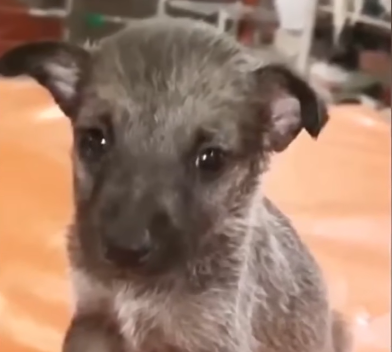
As I carried him to my car, the crowd slowly dispersed, their attention shifting elsewhere, as if nothing had happened.
Inside the car, I placed him on the passenger seat. He curled into a tight ball, eyes darting nervously.
“You’re safe now,” I said softly.
At the veterinary clinic, the staff rushed to help. The examination revealed bruising along his side, minor cuts, dehydration, and severe malnutrition. Miraculously, there were no fractures.
“He’s been through trauma,” the vet said gently. “We’ll need to monitor him closely.”
They cleaned his wounds and administered fluids. When they finished, he looked exhausted but calmer, as if some of the fear had begun to melt away.
“What will you call him?” a nurse asked.
I looked at the tiny creature, who was now sleeping, his breathing shallow but steady.
“Hope,” I said.
At home, I prepared a quiet space with soft blankets and a bowl of warm food. When Hope woke, he sniffed cautiously, then began eating with surprising determination, as if every bite mattered.
Over the next few days, he slept often, occasionally waking to look around with wary curiosity. Loud noises made him flinch, and sudden movements caused him to retreat to his bed.
One evening, as I sat nearby reading, Hope slowly approached and rested his head on my foot.
My heart swelled.
“Hello, little one,” I murmured, stroking his back.
His tail gave a tentative wag.
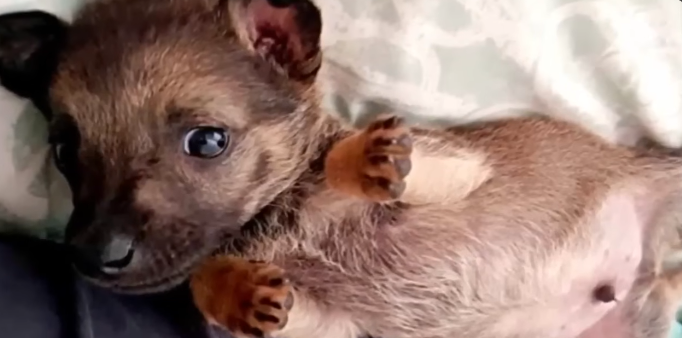
As weeks passed, Hope began to transform. His fur grew softer and fuller, his eyes brightened, and his playful spirit slowly emerged. He discovered the joy of chasing leaves in the yard, the comfort of gentle scratches behind the ears, and the simple pleasure of lying in a sunbeam.
But the scars of his past lingered.
Whenever we passed children during walks, he would hesitate, watching carefully. With patience and positive experiences, he gradually learned that not everyone meant harm.
One afternoon at the park, a little girl approached slowly, holding out her hand.
“Can I pet him?” she asked.
I nodded.
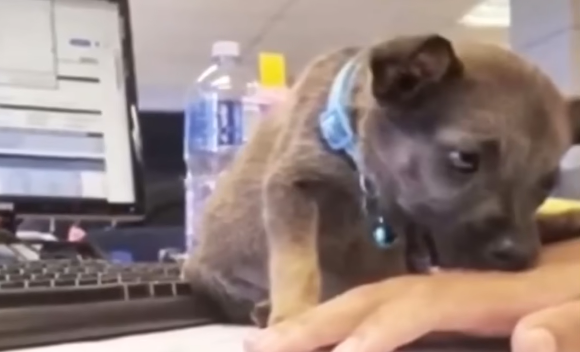
Hope sniffed her fingers, then leaned forward. She giggled, gently stroking his head.
In that moment, I felt a quiet victory.
Months later, Hope had grown into a lively, affectionate dog. He greeted each day with enthusiasm, bounding toward the door for walks and wagging his tail at everyone he met.
But the most remarkable moment came unexpectedly.
One rainy evening, I returned home feeling exhausted after a difficult day. I sank onto the couch, head in my hands, overwhelmed.
Hope jumped up beside me, resting his head on my lap. He looked up with those warm, understanding eyes, then nudged my hand gently, as if reminding me I wasn’t alone.
I laughed softly through tears.
“You’re taking care of me now, huh?” I said.
He wagged his tail.
As time went on, Hope became a fixture in the neighborhood. People recognized him as the once-frightened puppy who now radiated joy. Children waved, neighbors stopped to chat, and other dogs greeted him eagerly.
One day, while volunteering at an animal rescue event, I brought Hope along. His gentle demeanor helped calm nervous animals, and visitors were drawn to his story.
“He’s amazing,” someone said, watching him comfort a shy rescue dog.
I nodded. “He’s a survivor.”
Hope seemed to understand his role, moving quietly among the animals, offering companionship without overwhelming them.
A year after his rescue, I took him back to the area where I had first found him. The empty lot looked the same—dusty, silent, unremarkable.
Hope sniffed the ground, then looked up at me.
“You’ve come a long way,” I said softly.
He wagged his tail, as if agreeing.
Standing there, I reflected on how close he had come to being overlooked, dismissed as just another stray. Instead, he had not only survived but thrived, bringing warmth and kindness wherever he went.
Back home, Hope settled into his favorite spot by the window. As the sun set, casting golden light across the room, I watched him with gratitude.
This helpless puppy had once faced cruelty simply for trying to survive. Yet he chose trust, resilience, and love.
Sometimes, when new rescues arrive—frightened and uncertain—Hope approaches them gently, offering silent reassurance. It’s as if he remembers exactly how it feels to be vulnerable.
People often ask how he overcame such a painful start.
I believe it’s because beneath the fear was an unbreakable will to live—a spark that refused to be extinguished.
Late at night, when the house is quiet, Hope often curls up beside me, breathing softly. In those moments, I’m reminded that survival is not just about enduring hardship; it’s about finding the courage to trust again.
This helpless puppy was stoned, just trying to survive.
Today, he runs freely, tail high, eyes bright with curiosity. His journey is a testament to the power of compassion and the resilience that can emerge even from the darkest circumstances.
And every time he greets me at the door, I’m reminded of a simple truth: sometimes, saving a life doesn’t just change theirs—it changes yours too.