

Introduction: Flexibility is Built, Not Rushed
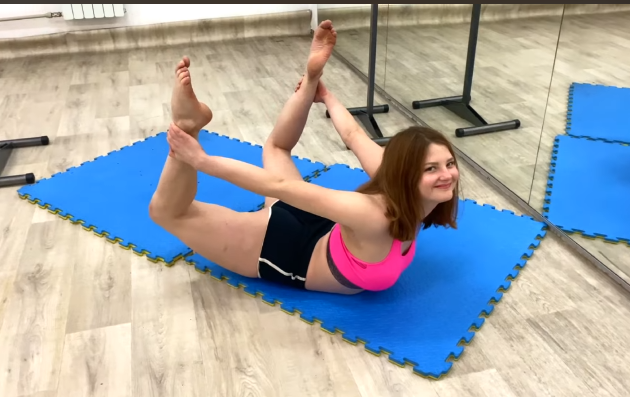
Learning how to do proper splits — whether for gymnastics, contortion, or ballet (芭蕾舞蹈) — is a journey that requires patience, consistency, and respect for your body. Many people imagine flexibility as something you either have or don’t, but in reality, it’s a skill that can be developed safely with the right approach.
The splits demand length and strength in your hamstrings, hip flexors, inner thighs, and glutes. Contortion-level flexibility goes even further, requiring deep joint awareness and careful conditioning. Rushing into deep stretches without preparation can lead to muscle strains or long-term injuries, so the key is to progress gradually.
In this guide, you’ll learn how to warm up properly, stretch effectively, and build toward full splits safely — whether your goal is graceful ballet lines, powerful gymnastics skills, or extreme flexibility.
Step 1: Proper Warm-Up — Never Skip This


4
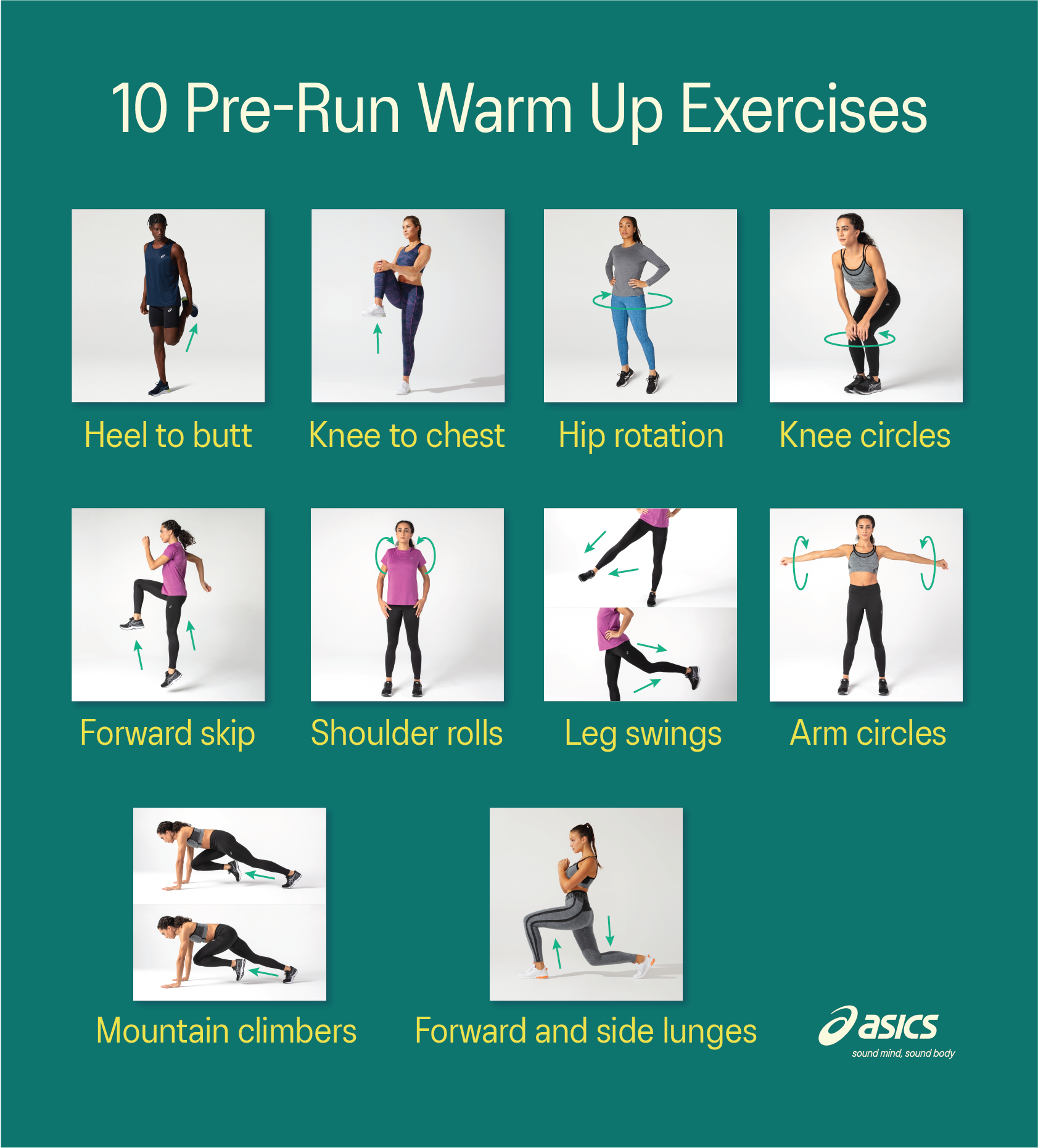
Before stretching deeply, you must increase blood flow to your muscles. Cold muscles are tight and more prone to injury, while warm muscles respond better to stretching.
Warm-up ideas (5–10 minutes):
- Light jogging or marching in place
- Jump rope or gentle cardio
- Leg swings front-to-back and side-to-side
- Hip circles and arm swings
- Dynamic lunges
You should feel slightly warm and loose, not exhausted. Think of this stage as preparing your muscles to safely lengthen.
Step 2: Foundational Stretches for Splits

4
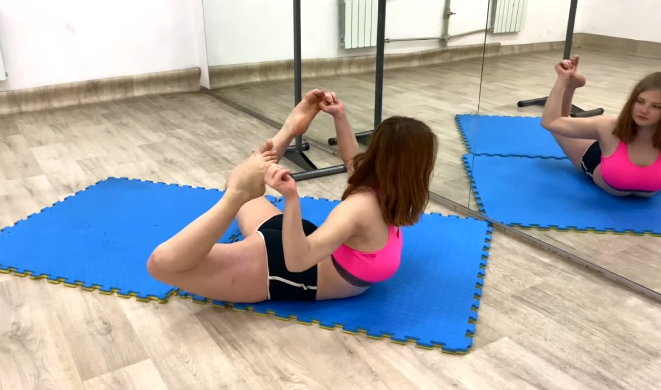
These stretches target the key muscle groups needed for front and middle splits.
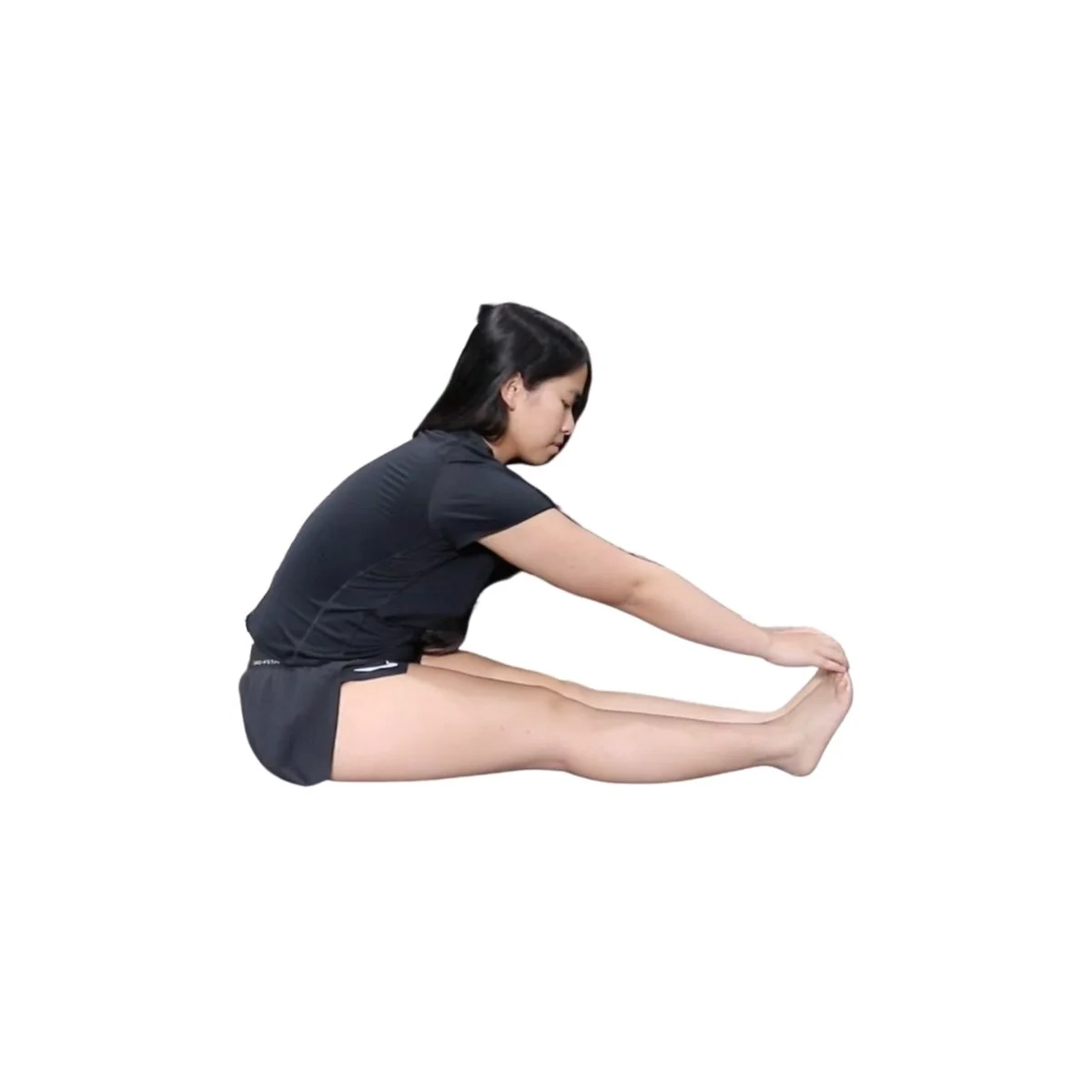
1. Hamstring Stretch
Sit with one leg extended and reach toward your toes. Keep your back long rather than rounding. This prepares the back leg line for front splits.
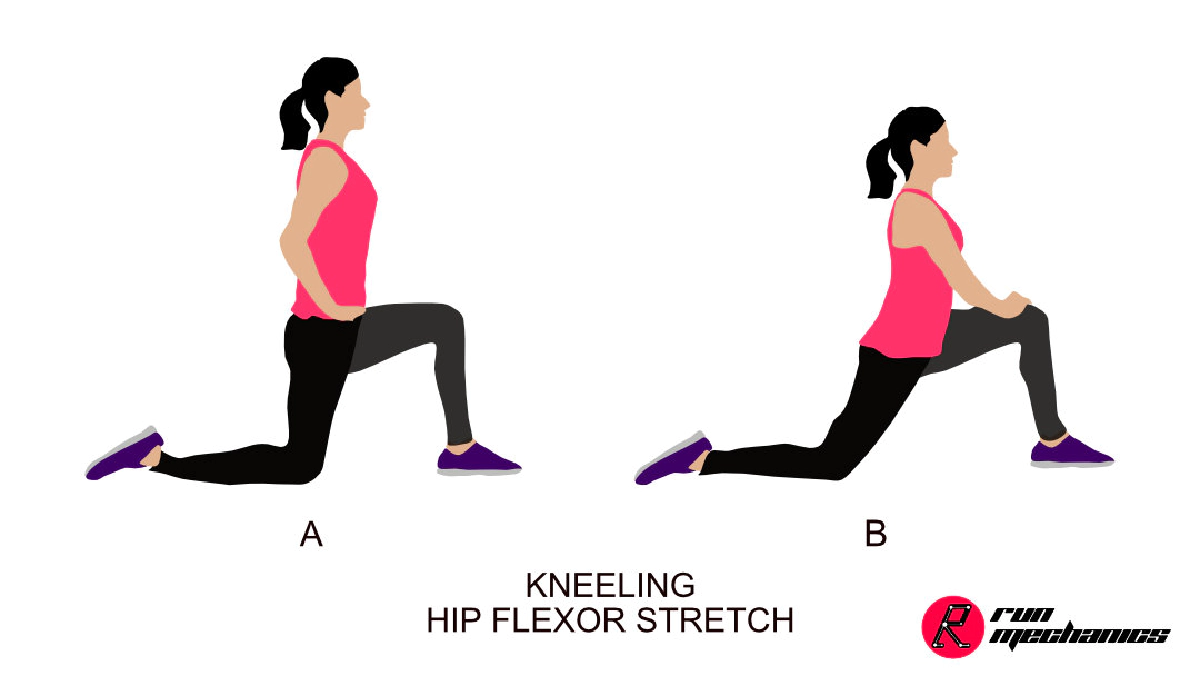
2. Hip Flexor Lunge Stretch
Step one foot forward into a low lunge and gently sink your hips forward. This opens the front of the hips — essential for deep splits and ballet extensions.
3. Butterfly Stretch
Sit with soles of the feet together and gently press knees toward the floor. This improves inner thigh flexibility for middle splits.
4. Pigeon Stretch
A favorite among dancers and gymnasts, this targets deep hip rotators and glutes.
Hold each stretch 20–40 seconds and breathe slowly.
Step 3: Working Toward Front Splits

4
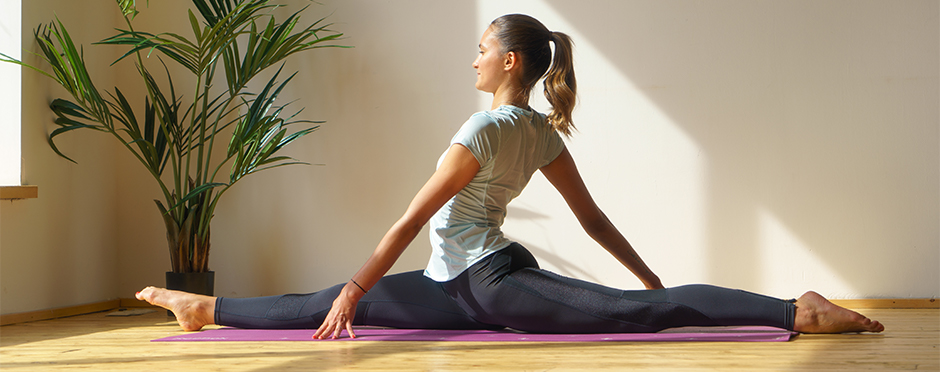
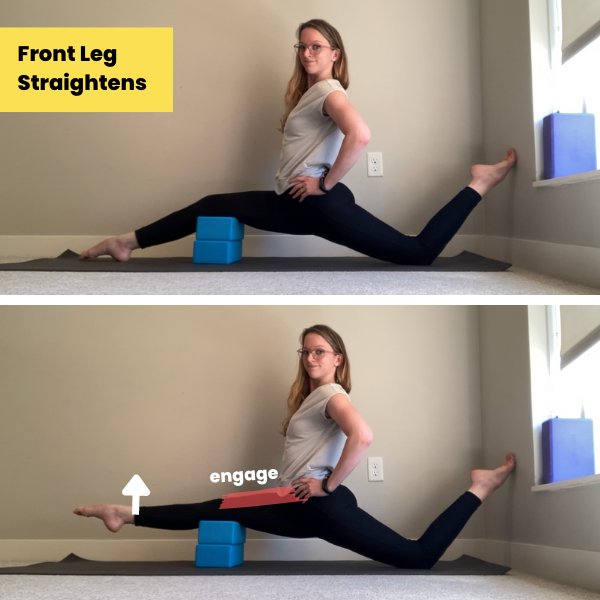
To practice front splits:
- Start in a lunge position.
- Slowly slide your front heel forward.
- Keep hips square — imagine headlights pointing forward.
- Use blocks or your hands for support.
- Stop at mild discomfort, not pain.
Focus on breathing deeply — tension often melts away with slow exhales.
Pro tip: Engage your muscles slightly instead of collapsing. Active flexibility builds safer, stronger range of motion.
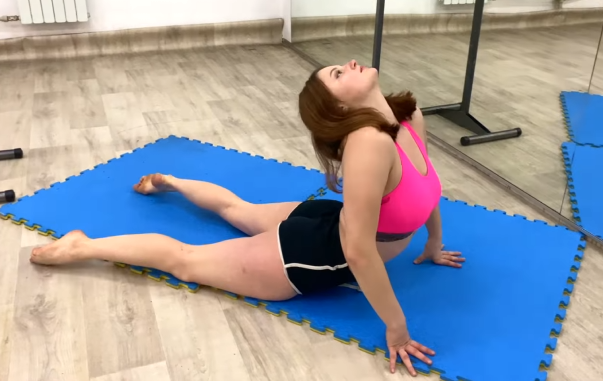
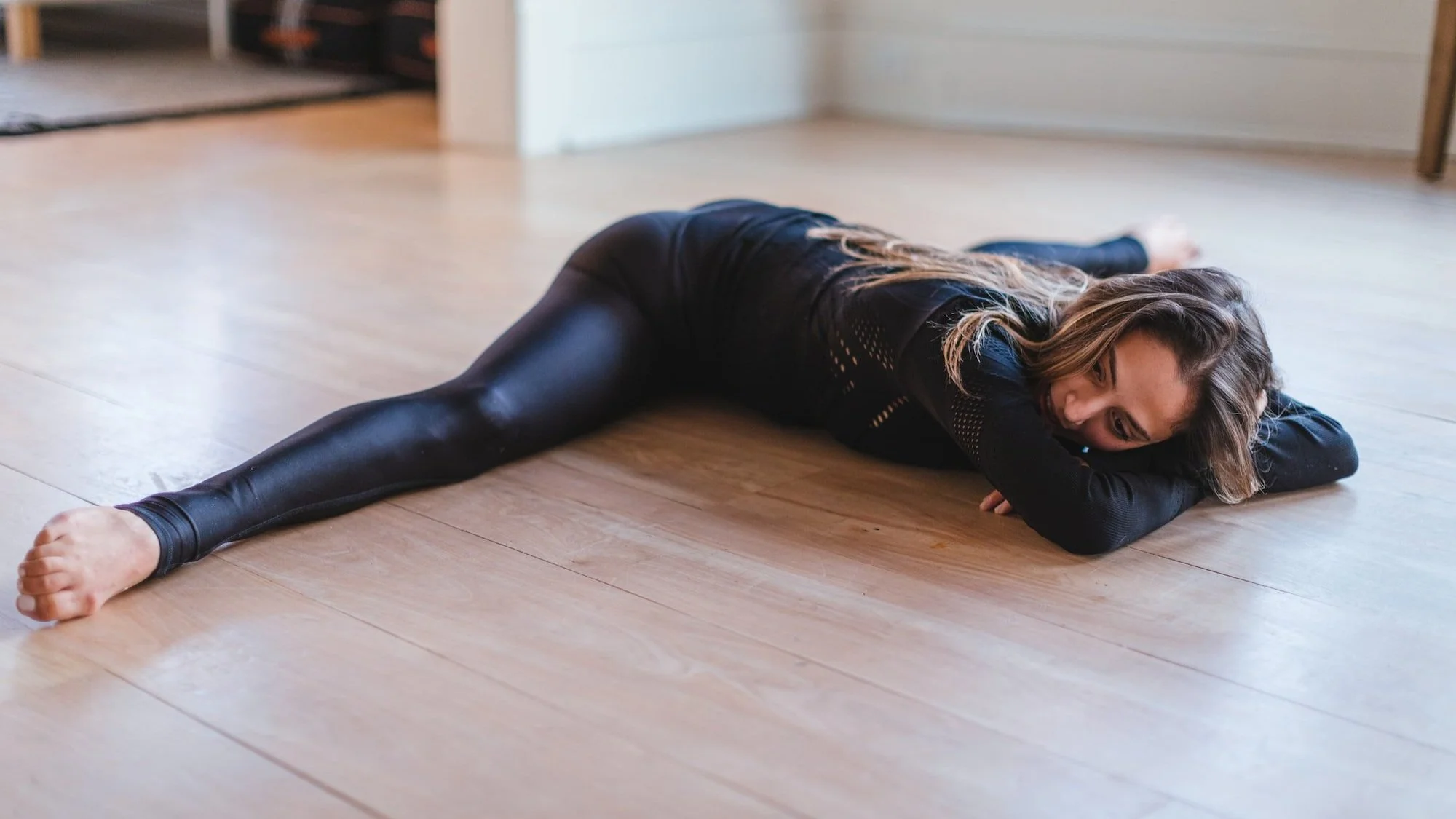
Step 4: Training for Middle Splits (Straddle)


4
Middle splits require patience because the inner thighs are often tight.
How to practice:
- Stand with feet wide.
- Slowly slide feet apart.
- Keep knees facing upward.
- Lean forward slightly with a straight back.
You can also sit in a wide straddle and gently fold forward to increase stretch.
Progress here can be slow — consistency matters more than intensity.
Step 5: Contortion Tips — Going Beyond Basic Flexibility
Contortion training emphasizes control, not just range. If you’re aiming for deeper oversplits or extreme flexibility:
- Strengthen glutes and hip stabilizers.
- Train regularly but allow recovery days.
- Never force joints beyond comfortable limits.
- Work with gradual progressions.
Contortionists often use props like blocks or cushions under the front foot to deepen the stretch safely.
Remember: flexibility without strength is unstable. Always pair stretching with conditioning.
Common Mistakes to Avoid
- ❌ Forcing yourself into pain
- ❌ Bouncing aggressively in stretches
- ❌ Skipping warm-up
- ❌ Holding breath
- ❌ Comparing your progress to others
Flexibility timelines differ widely — some achieve splits in weeks, others in months or longer.
Weekly Practice Plan (Simple Routine)
3–5 sessions per week:
- Warm-up — 5–10 minutes
- Foundational stretches — 10 minutes
- Split practice — 10 minutes
- Light strengthening — 5 minutes
Consistency beats long, occasional sessions.
Mental Approach: Patience and Body Awareness
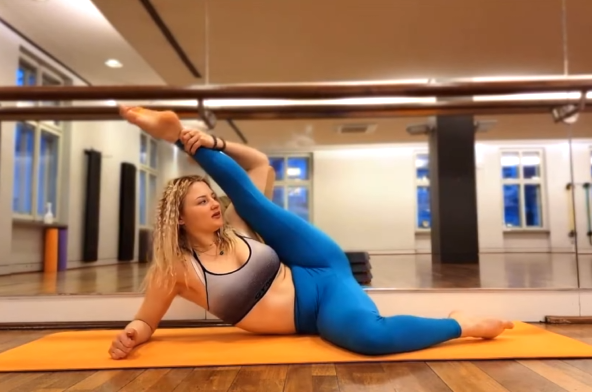
Ballet and gymnastics emphasize mindfulness. When stretching, focus on sensations — not just the end goal. Small improvements add up over time.
Celebrate progress like:
- Sitting deeper in a stretch
- Reduced tension
- Improved posture
These signs mean your body is adapting.
Safety Reminder
If you feel sharp pain, stop immediately. Stretching should feel like gentle tension, never burning or stabbing sensations.
Hydration, proper nutrition, and adequate rest also support flexibility gains.
Final Thoughts
Learning proper splits and leg flexibility is more than a physical skill — it’s a practice of patience, discipline, and listening to your body. Whether you’re inspired by the elegance of ballet, the power of gymnastics, or the artistry of contortion, every stretch brings you closer to your goal.
With consistent training, mindful technique, and respect for your limits, your legs will gradually open, your movements will feel freer, and your confidence will grow.
Remember: flexibility is a journey, not a race.