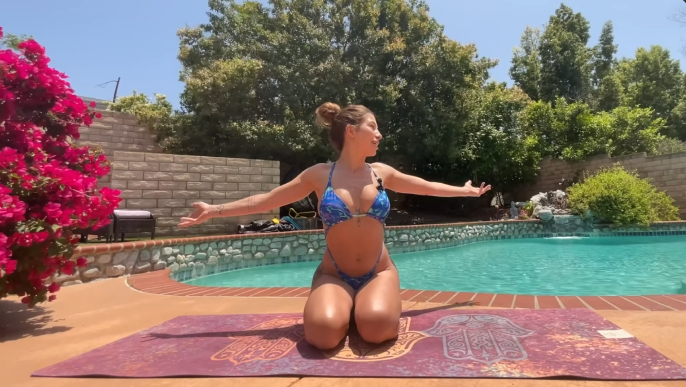
Tight legs can make everyday movement feel heavier than it should. Whether you spend long hours sitting, train intensely, or simply carry stress in your lower body, stiffness in the hips, hamstrings, and glutes can limit mobility and cause discomfort. A dedicated yoga flow focused on these areas helps release tension, improve flexibility, and restore a sense of ease in your body. This 35-minute stretch flow is designed to gently open tight muscles while building awareness, patience, and relaxation.
Why Focus on Tight Legs?
The hips, hamstrings, and glutes form a powerful network that supports posture, walking, running, and lifting. When these muscles become tight, they can pull on the pelvis and lower back, leading to strain or imbalance. Tight hamstrings may restrict forward folds, tight hips can limit range of motion, and tense glutes may contribute to lower back discomfort. By practicing a mindful stretch routine, you encourage blood flow, improve joint health, and create space for smoother movement.
Yoga is especially effective because it combines slow stretching with deep breathing, allowing the nervous system to relax. Instead of forcing flexibility, you gradually invite muscles to release.
Preparing for Your Practice
Find a quiet space where you can move comfortably. A yoga mat, a strap or towel, and a cushion or block can be helpful, but you can modify using household items. Wear comfortable clothing that allows free movement.
Before starting, take a moment to set an intention. It could be as simple as “I will move with patience” or “I will listen to my body.” Remember, flexibility develops over time—there’s no need to rush.
Warm-Up: Awakening the Lower Body (5 Minutes)
Begin in a comfortable seated position. Close your eyes and take slow breaths, inhaling through the nose and exhaling gently. Notice any sensations in your legs.
Move into gentle ankle circles to wake up the joints. Then extend one leg and softly flex and point the foot, feeling the hamstrings engage and release. Switch sides.
Transition onto hands and knees for Cat-Cow movements. As you inhale, lift the chest and tailbone; as you exhale, round the spine. This warms the lower back and prepares the hips for deeper stretches.
Low Lunge Flow: Opening the Hip Flexors (5 Minutes)
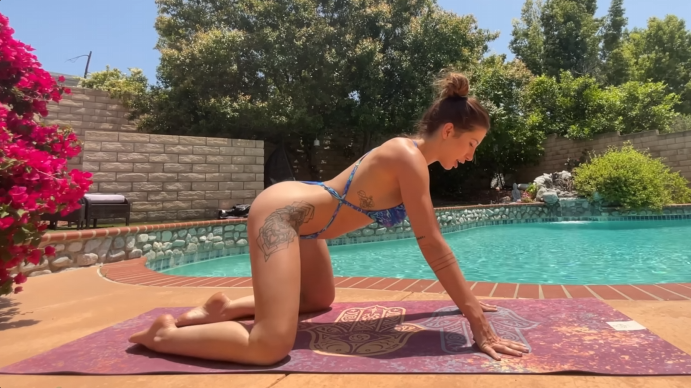
Step one foot forward into a low lunge. Keep the back knee on the mat and gently shift your hips forward. You should feel a stretch along the front of the hip and thigh.
Raise your arms overhead if comfortable, lengthening through the torso. Take several deep breaths, allowing the hips to soften. Option to gently rock forward and back to explore the range of motion.
Repeat on the other side. This movement counteracts the effects of prolonged sitting and helps release tight hip flexors.
Half Splits: Hamstring Release (5 Minutes)
From low lunge, shift your hips back so the front leg straightens. Flex the foot and fold forward slightly, keeping the spine long. You’ll feel a stretch along the back of the thigh.
Avoid locking the knee—maintain a soft bend if needed. Breathe slowly and imagine sending your breath into the hamstrings. After several breaths, switch sides.
This pose improves flexibility while protecting against strain by encouraging mindful engagement.
Dynamic Flow: Downward Dog Variations (5 Minutes)
Move into Downward Facing Dog. Press your hands firmly into the mat and lift your hips high. Pedal the feet gently, bending one knee at a time to stretch the calves and hamstrings.
Try bending both knees deeply, then slowly straightening the legs as you lengthen the spine. Shift your weight back and forth to explore sensation without forcing.
Downward Dog strengthens and stretches simultaneously, promoting circulation in the legs.
Pigeon Pose: Deep Hip Opening (5 Minutes)
Bring one knee forward and settle into Pigeon Pose, extending the other leg back. Keep your hips squared as much as possible and use a cushion under the hip if needed.
Fold forward and rest your forearms or forehead on the mat. This pose targets the glutes and outer hips, areas that often hold emotional tension.
Breathe deeply, allowing each exhale to soften resistance. After a minute or two, switch sides.
Seated Forward Fold: Lengthening the Posterior Chain (5 Minutes)
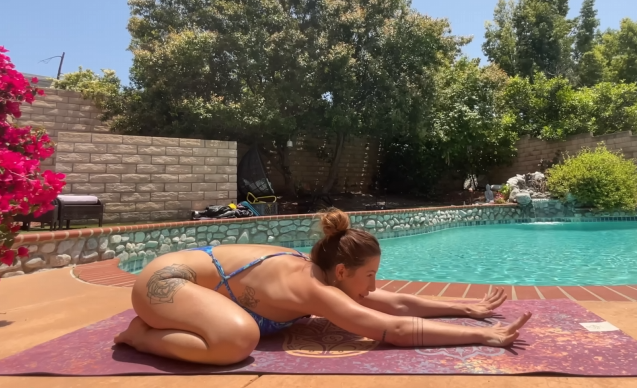
Sit with both legs extended. Inhale to lengthen the spine, then hinge forward from the hips. Reach for your shins, ankles, or feet—wherever feels accessible.
Focus on maintaining length rather than pulling deeply. Relax the neck and shoulders. This pose stretches the hamstrings and lower back while encouraging calmness.
If the stretch feels intense, place a rolled towel under the knees.
Figure Four Stretch: Releasing the Glutes (3 Minutes)
Lie on your back and cross one ankle over the opposite thigh. Gently draw the legs toward your chest, feeling a stretch in the outer hip and glute.
Hold for several breaths, then switch sides. This stretch is excellent for relieving tension caused by sitting or physical activity.
Supine Twist: Resetting the Spine (2 Minutes)
With knees bent, drop them gently to one side while turning your head in the opposite direction. Allow gravity to do the work as the spine and hips release.
Repeat on the other side. Twists help neutralize the body after deeper stretches.
Final Relaxation: Integrating the Practice (5 Minutes)
Extend your legs comfortably and rest in a relaxed position. Close your eyes and let your breath flow naturally. Notice the sensations in your hips, hamstrings, and glutes—perhaps a feeling of warmth or lightness.
Allow your muscles to absorb the benefits of the practice. This relaxation phase is essential for recovery and helps the nervous system settle.
Benefits of a Consistent Stretch Flow
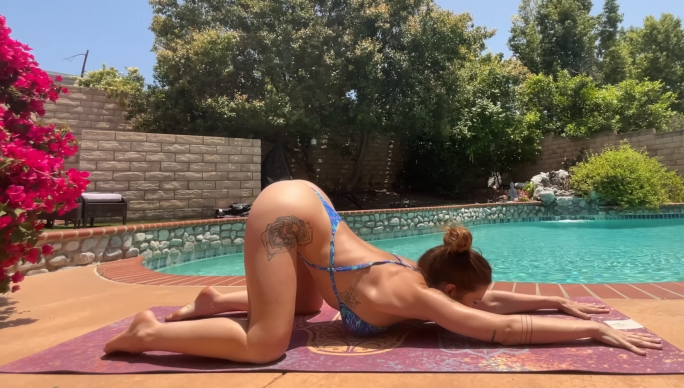
Practicing regularly can lead to noticeable improvements. You may find it easier to bend, walk, or sit comfortably. Increased flexibility reduces the risk of injury and enhances athletic performance. Many people also experience reduced lower back tension and improved posture.
Beyond physical benefits, stretching fosters mindfulness. Taking time to care for your body can reduce stress and create a sense of balance.
Tips for Progress
Move slowly and respect your limits. Stretching should create sensation, not pain. Use props to support your body and maintain steady breathing throughout.
Consistency matters more than intensity. Even practicing a few times a week can bring meaningful change. Over time, you may notice deeper stretches becoming more accessible and movements feeling smoother.
Stay hydrated and consider gentle movement, like walking, after your session to keep circulation flowing.
Listening to Your Body
Every body is unique, and flexibility varies day to day. Some days you may feel open and relaxed; others may feel tight. Approach each practice with curiosity rather than expectation.
If you feel sharp or persistent discomfort, ease out of the pose and adjust. Yoga encourages self-awareness, helping you recognize what your body needs.
Creating a Ritual
Turning your stretch flow into a ritual can make it something you look forward to. Light a candle, play calming music, or practice at the same time each day. Small details can transform your session into a moment of self-care.
Over time, this ritual can become a grounding habit that supports both physical and mental well-being.
Closing Thoughts
Tight legs don’t have to limit your movement or comfort. With patience and consistent practice, you can gradually release tension in the hips, hamstrings, and glutes. This 35-minute yoga stretch flow offers a gentle yet effective way to reconnect with your body, improve flexibility, and cultivate relaxation.
Remember, progress is not measured by how far you stretch but by how present you are in each moment. Let your breath guide you, honor your body’s signals, and enjoy the journey toward greater ease and mobility. Each session is an opportunity to move with kindness, release what no longer serves you, and step forward feeling lighter and more balanced.
If you’d like, I can also turn this into a YouTube script, guided class narration, or SEO-optimized article — just tell me!