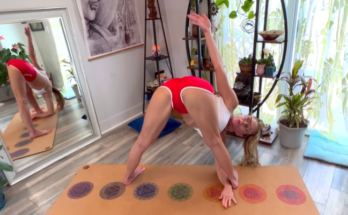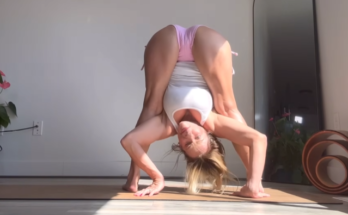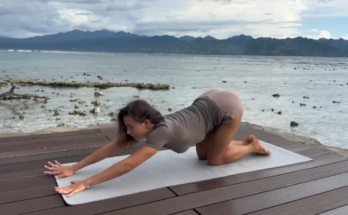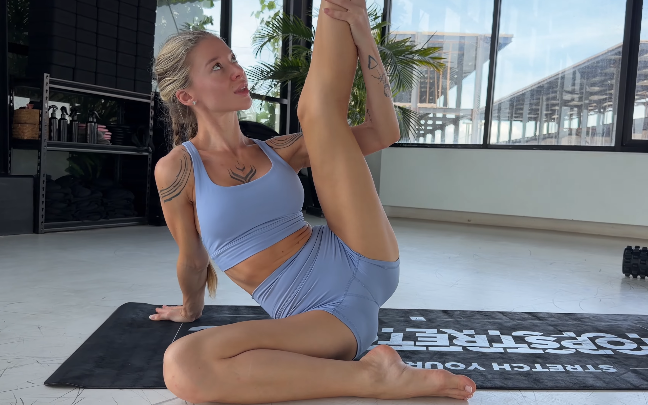
In a world that constantly asks us to move faster, think harder, and do more, slowing down becomes a powerful act of self-care. A full-body stretching routine rooted in flexibility yoga offers exactly that—a chance to reconnect with the body, release accumulated tension, and enter a state of deep relaxation. This kind of session is not about pushing limits or achieving impressive poses. Instead, it is about gentle, mindful movement that nourishes muscles, calms the nervous system, and restores balance from head to toe.
The Purpose of Full-Body Stretching
Full-body stretching focuses on lengthening muscles, improving joint mobility, and encouraging healthy circulation throughout the entire body. When practiced through yoga, stretching becomes more than physical exercise—it becomes a moving meditation. Each stretch is guided by the breath, creating a rhythm that tells the body it is safe to relax.
Over time, flexibility yoga can reduce stiffness, improve posture, and ease everyday aches caused by sitting, stress, or repetitive movement. More importantly, it teaches awareness: how your body feels today, where it holds tension, and what it needs in this moment.
Preparing for a Deep Relaxation Session
Before beginning your full-body stretching routine, create a calm and supportive environment. Choose a quiet space where you won’t be interrupted. Soft lighting, a yoga mat, and comfortable clothing can make a big difference. Some people enjoy light background music or complete silence—both are fine.
Take a moment to set an intention. It might be as simple as “I allow myself to slow down” or “I listen to my body with kindness.” This mental preparation helps shift your focus away from external distractions and into the present moment.
Breathing: The Foundation of Flexibility Yoga
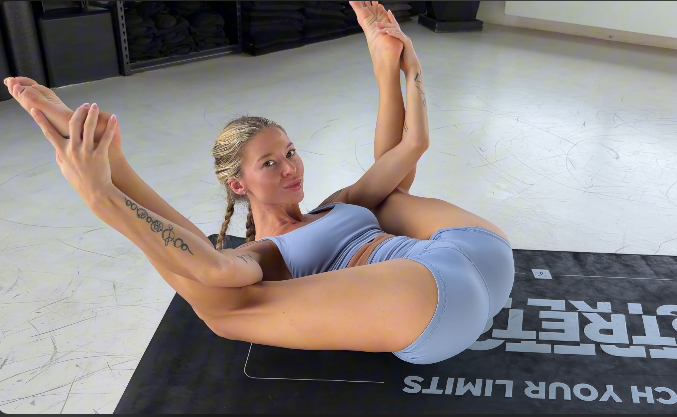
Breath is the foundation of any relaxation-focused yoga session. Begin by sitting or lying comfortably and taking a few slow, deep breaths. Inhale through the nose, feeling the chest and belly expand. Exhale gently, letting go of tension with each breath out.
Throughout the stretching routine, breathing remains steady and smooth. You never force a stretch; instead, you allow the breath to guide you deeper. If the breath becomes strained, it’s a sign to ease up.
Gentle Neck and Shoulder Release
The session often starts with the neck and shoulders, where many people carry stress. Slow neck rolls, gentle side stretches, and soft shoulder shrugs help release built-up tension. These movements are small but powerful.
As you stretch the neck, imagine creating space between each vertebra. With every exhale, allow the shoulders to drop away from the ears. This early release sets the tone for the rest of the practice.
Upper Body and Arm Stretches
Moving into the upper body, stretches for the arms, chest, and upper back help counteract the effects of hunching or long hours at a desk. Gentle arm raises, chest-opening movements, and soft twists improve circulation and posture.
Flexibility yoga encourages slow transitions. You might open the arms wide on an inhale, then fold them inward on an exhale, hugging yourself briefly. This simple gesture can feel deeply soothing, reminding the body of comfort and safety.
Spinal Movement for Relaxation
The spine is central to full-body stretching. Gentle spinal movements help keep it healthy, flexible, and supported. Slow forward folds, mild backbends, and seated twists encourage mobility without strain.
As you move the spine, imagine it flowing like a wave. Each section moves naturally, guided by the breath. These movements massage internal organs, stimulate the nervous system in a calming way, and often create a sense of emotional release.
Hip Openers and Lower Body Flexibility
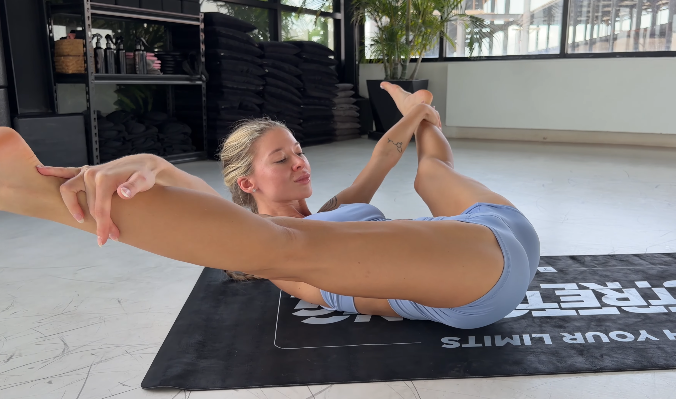
The hips are another common storage area for tension, especially emotional stress. In flexibility yoga, hip-opening stretches are approached with patience and care. Gentle lunges, seated hip stretches, and reclined poses allow the hips to soften gradually.
You may notice sensations ranging from mild discomfort to deep relief. The key is to stay present and breathe through whatever arises. Over time, these stretches can improve mobility, reduce lower back tension, and support overall ease of movement.
Hamstrings, Calves, and Feet
Stretching the backs of the legs is essential for full-body balance. Tight hamstrings and calves can affect posture and create tension in the lower back. Gentle forward folds, leg extensions, and ankle rotations help lengthen these areas safely.
In a deep relaxation session, these stretches are held comfortably, not aggressively. You might use props like cushions or blocks to support the body. The goal is not to touch your toes, but to feel a sense of release and openness.
The Role of Stillness
One of the most powerful aspects of a flexibility yoga session is stillness. Between stretches, brief moments of rest allow the body to integrate the benefits of movement. These pauses teach the nervous system to shift from “doing” to “being.”
Stillness is not empty—it is where relaxation deepens. You may notice the heart rate slowing, the breath becoming softer, and the mind growing quieter. These moments are just as important as the stretches themselves.
Full-Body Integration
As the session continues, movements begin to feel more connected. Stretching the whole body as one unit—such as gentle flows from standing to seated positions—creates a sense of harmony. The body feels unified rather than divided into separate parts.
This integration supports better coordination and balance, both physically and mentally. It reminds you that the body works best when everything moves together, supported by calm attention.
Deep Relaxation and Restorative Poses
Toward the end of the session, restorative poses take center stage. These are positions where the body is fully supported and encouraged to rest. Lying on the back, legs elevated, or gently reclined poses help the muscles release completely.
In these moments, the breath becomes effortless. The body no longer works—it simply rests. This is where deep relaxation truly happens, allowing stress hormones to decrease and the mind to settle.
Mental and Emotional Benefits
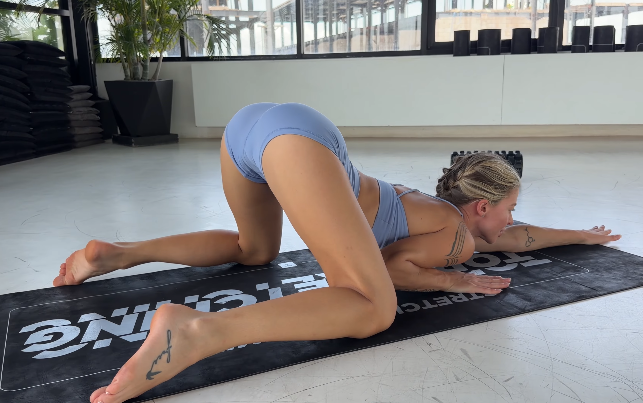
A full-body stretching routine is not only beneficial for muscles and joints. It has a profound effect on mental and emotional well-being. Slow, mindful movement reduces anxiety, improves focus, and encourages a sense of inner calm.
Many people find that flexibility yoga helps them sleep better, feel more grounded, and respond to daily challenges with greater ease. The practice becomes a tool for resilience, teaching the body and mind how to relax even in difficult moments.
Making It a Regular Practice
Consistency matters more than intensity. Even a short full-body stretching session practiced regularly can bring lasting benefits. Whether you practice in the morning to awaken the body or in the evening to unwind, flexibility yoga adapts to your needs.
Over time, you may notice increased flexibility, reduced stiffness, and a deeper connection to your body. Each session becomes an opportunity to check in with yourself and restore balance.
Listening to Your Body
Perhaps the most important principle of a deep relaxation yoga session is listening. Some days the body feels open and flexible; other days it may feel tight or tired. Both are okay. Yoga is not about forcing progress—it is about honoring where you are.
By respecting your limits and moving with awareness, you build trust in your body. This trust carries beyond the mat into daily life, influencing how you handle stress, rest, and movement.
Closing the Session
A full-body stretching routine often ends in a final resting pose, allowing the body to absorb the practice fully. Lying still, you may notice a sense of warmth, ease, or quiet joy. The breath flows naturally, and the mind feels lighter.
Take a moment to acknowledge yourself for showing up. Even a gentle session is a meaningful act of self-care.
Final Thoughts
A Full-Body Stretching Routine | Flexibility Yoga Session for Deep Relaxation is a gift to both body and mind. It encourages softness where there is tension, awareness where there is distraction, and calm where there is stress.
Through slow stretches, mindful breathing, and moments of stillness, this practice reminds us that relaxation is not something we earn—it is something we allow. By returning to this routine again and again, we create space for healing, balance, and a deeper sense of well-being in everyday life.