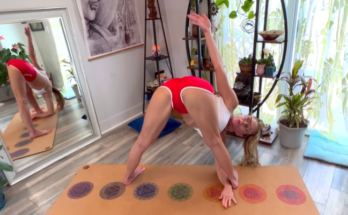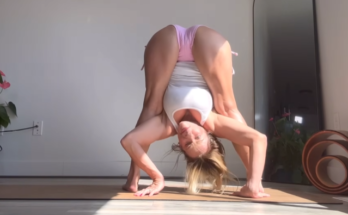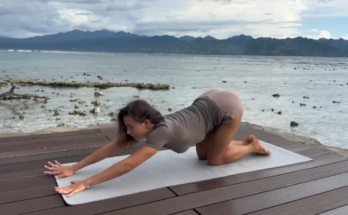
In a world that moves faster every day, our bodies often pay the price. Hours spent sitting at desks, scrolling on phones, commuting, or standing in one position can leave muscles tight, joints stiff, and energy drained. Stretching at home may seem simple, even insignificant, but it is one of the most powerful habits you can build for long-term health, comfort, and mobility. It requires no expensive equipment, no gym membership, and very little space—just time, attention, and care for your body.
Stretching at home is not about forcing your body into difficult shapes or pushing through pain. It is about listening, releasing tension, and restoring balance. Whether you are young or old, athletic or sedentary, stretching can meet you exactly where you are.
Why Stretching at Home Matters
Our muscles are designed to move, lengthen, and contract regularly. When we stay in the same positions for too long—especially sitting—muscles shorten and tighten. Over time, this leads to stiffness, poor posture, reduced range of motion, and even chronic pain.
Stretching helps counteract these effects. Regular stretching at home can:
- Improve flexibility and joint mobility
- Reduce muscle tension and soreness
- Improve posture and body awareness
- Increase blood circulation
- Lower stress and calm the nervous system
- Support better sleep and relaxation
For many people, stretching is also a quiet moment of self-connection. It becomes a pause in the day where breathing slows, thoughts settle, and the body feels heard.
Creating a Comfortable Stretching Space
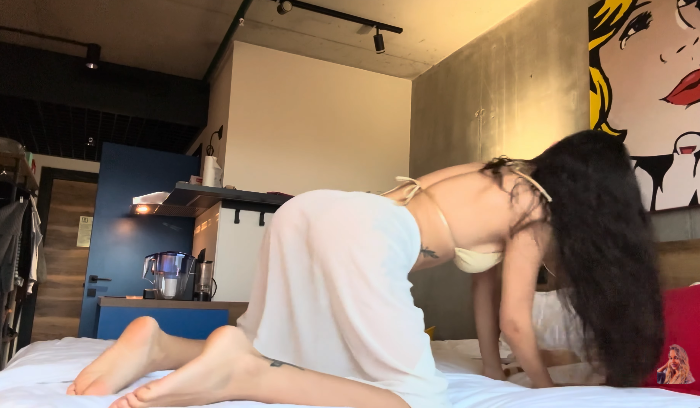
One of the best things about stretching at home is how easy it is to begin. You don’t need much—just a small, quiet space where you can move freely.
Choose a spot with enough room to extend your arms and legs comfortably. A yoga mat is helpful but not required; a carpet or soft floor works just fine. Wear comfortable clothing that allows easy movement. If possible, dim the lights or open a window for fresh air. Some people enjoy soft music, while others prefer silence.
The goal is to create an environment where your body feels safe enough to relax.
Listening to Your Body
Before starting any stretch, it’s important to understand one key rule: stretching should never be painful. You may feel tension, pulling, or mild discomfort, but sharp pain is a sign to stop or ease off.
Breathe slowly and deeply while stretching. Inhale through your nose, and exhale through your mouth. Often, muscles release more on the exhale. Let go of the idea of “how far” you should stretch. Progress comes naturally with consistency.
Stretching is not a competition—with others or with yourself.
Simple Full-Body Stretching Routine at Home
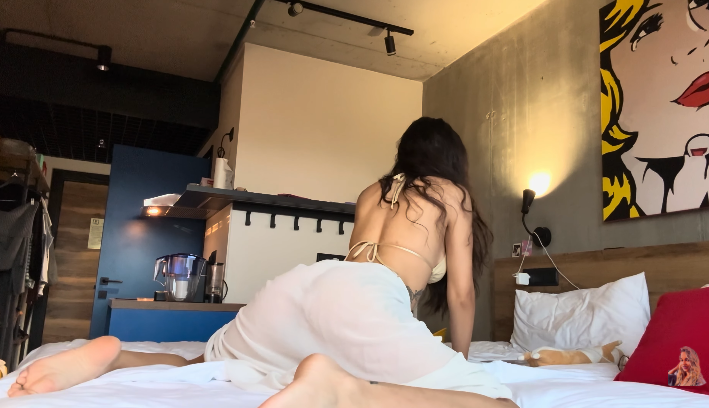
A well-rounded home stretching session can take anywhere from 10 to 30 minutes. Below is a gentle flow that targets the entire body and can be adapted to your needs.
Neck and Shoulders
Begin by standing or sitting upright. Gently tilt your head to one side, bringing your ear toward your shoulder. Hold for several breaths, then switch sides. Slowly roll your shoulders forward and backward, releasing tension stored from daily stress.
Neck and shoulder stretches are especially helpful for people who work at computers or use phones frequently.
Arms and Chest
Extend one arm across your chest and use the opposite hand to gently pull it closer. This stretches the shoulder and upper back. Then clasp your hands behind your back, straighten your arms, and lift them slightly while opening your chest. This counters the rounded posture many of us develop during the day.
Spine and Back
A healthy spine is essential for overall movement. From a standing or seated position, gently twist your torso to one side, keeping your spine long. Hold, breathe, and switch sides.
If you’re on the floor, child’s pose or a gentle forward fold can help release tension in the lower back. Let your head hang heavy and relax your neck.
Hips
The hips store a surprising amount of tension, especially from sitting. Simple hip-opening stretches—such as bringing one knee toward your chest while lying on your back—can bring immediate relief.
Move slowly and notice how your hips respond. For many people, hip stretches also release emotional stress, not just physical tightness.
Legs
Stretching the legs improves circulation and supports better movement throughout the day. While standing, gently bend forward from the hips to stretch the hamstrings. Bend your knees if needed—this is not about touching your toes.
Calf stretches, ankle rolls, and gentle quad stretches help maintain balance and reduce strain on the knees and feet.
Stretching for Different Lifestyles

Stretching at home can be adapted to fit any lifestyle or schedule.
- For office workers: Focus on neck, shoulders, spine, and hips to counteract long hours of sitting. Even five minutes in the morning and evening can make a difference.
- For athletes: Stretching supports recovery, improves performance, and reduces injury risk. Gentle stretches after workouts help muscles relax and lengthen.
- For older adults: Stretching helps maintain mobility, balance, and independence. Movements should be slow, controlled, and supported when needed.
- For busy parents: Stretch while your children play nearby, or turn stretching into a calming family routine before bedtime.
The best stretching routine is the one you can stick to consistently.
Stretching and Mental Health
Stretching at home isn’t only about muscles—it deeply affects the mind. Slow, mindful stretching activates the parasympathetic nervous system, which helps the body shift out of “fight or flight” mode.
This is why stretching often feels calming. It reduces stress hormones, slows the heart rate, and encourages deeper breathing. Many people find that stretching in the evening helps them sleep better and unwind after emotionally demanding days.
When paired with breath awareness, stretching can become a form of moving meditation.
Common Mistakes to Avoid
While stretching is generally safe, there are a few common mistakes to watch out for:
- Bouncing or forcing stretches
- Holding your breath
- Stretching cold muscles aggressively
- Ignoring pain or discomfort
- Comparing your flexibility to others
Warm up gently with a short walk or light movement before deeper stretches, especially if your body feels stiff.
Making Stretching a Daily Habit
The real benefits of stretching come from consistency, not intensity. Stretching for five minutes every day is far more effective than stretching once a week for an hour.
Try attaching stretching to an existing habit—after waking up, before bed, or after brushing your teeth. Some people keep a mat visible as a reminder. Others set a gentle alarm or pair stretching with calming music.
Over time, stretching becomes something you look forward to—a moment of care in an otherwise busy day.
A Small Practice with Big Impact
Stretching at home is a quiet act of kindness toward your body. It doesn’t demand perfection or performance. It simply asks for attention and patience.
As days turn into weeks, you may notice fewer aches, better posture, deeper breathing, and a greater sense of ease in your movements. Your body will feel more cooperative, more alive, more supported.
In a world that constantly asks us to do more, stretching reminds us to slow down—to check in, soften, and reconnect.
And sometimes, that small moment on the floor, breathing and stretching at home, is exactly what we need to feel whole again.