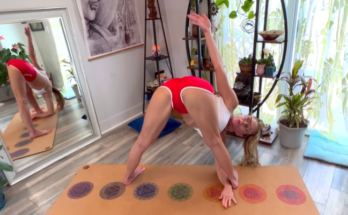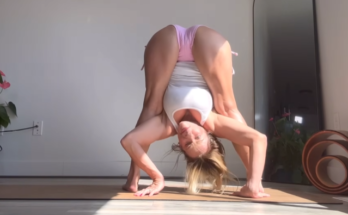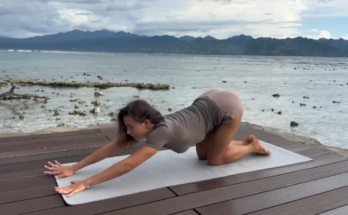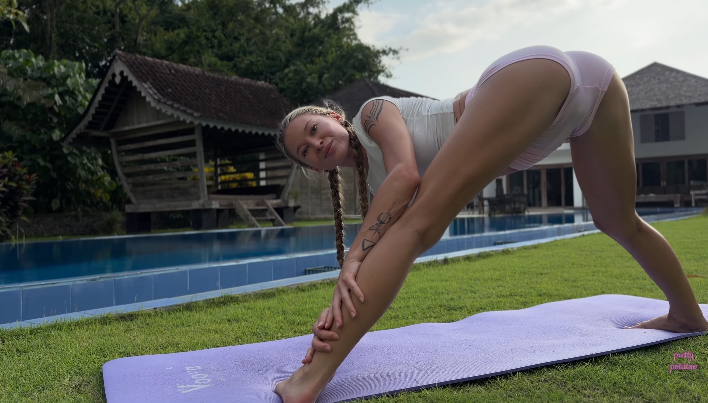
In a fast-paced world where bodies are constantly moving yet rarely resting, a full-body stretching routine combined with relaxation becomes more than exercise—it becomes a form of care. Yoga for Flexibility is not about how far you can stretch or how advanced a pose looks. It is about creating space in the body, easing tension in the mind, and reconnecting with a natural sense of balance. This full-body stretching routine with relaxation is designed to gently lengthen muscles, soothe the nervous system, and leave you feeling lighter, calmer, and more at home in your body.
Flexibility is often misunderstood as something only naturally flexible people possess. In reality, flexibility is a skill that develops gradually through consistency, patience, and mindful movement. Yoga offers a holistic approach, blending stretching, breathing, and relaxation into one unified practice. When done regularly, a full-body yoga stretching routine can improve mobility, posture, circulation, and overall well-being—without exhausting the body.
Preparing for the Practice
Before beginning, create an environment that supports relaxation. Choose a quiet space, wear comfortable clothing, and have a yoga mat or soft surface beneath you. This routine is not rushed, so allow yourself the gift of uninterrupted time. Even if your schedule is busy, committing to this practice is an investment in how your body and mind will feel afterward.
Start by settling into stillness. Sit or lie down comfortably and take a few slow breaths. Notice how your body feels in this moment—tight areas, areas of ease, and the natural rhythm of your breath. There is no need to change anything yet. Awareness alone begins the process of relaxation.
Gentle Warm-Up for the Whole Body
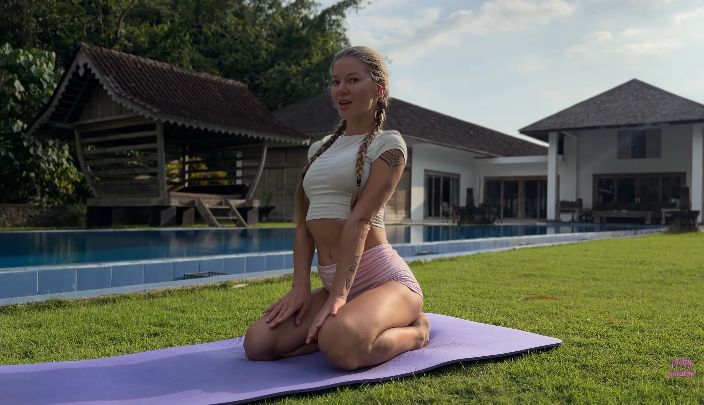
A full-body stretching routine always begins with gentle movements to warm the muscles and prepare the joints. Warming up is essential for flexibility, as cold muscles are more prone to strain. Yoga approaches this process slowly and mindfully.
Begin with small neck movements, gently turning the head side to side and tilting the ear toward each shoulder. These simple motions release tension built up from daily stress, screens, and sleep positions. Move slowly, synchronizing movement with breath.
Shoulder rolls and arm circles follow, waking up the upper body. As the shoulders loosen, you may notice the breath deepening naturally. Gentle spinal movements, such as seated or tabletop Cat-Cow stretches, help mobilize the spine. This wave-like motion massages the vertebrae and encourages circulation along the back, setting the foundation for deeper stretches later in the routine.
Stretching the Upper Body
The upper body often holds more tension than we realize. Tight shoulders, stiff necks, and rounded upper backs are common results of long hours spent sitting or looking down. Yoga for flexibility addresses these areas with mindful stretches that feel both relieving and restorative.
Poses that open the chest and shoulders, such as gentle heart openers or extended arm stretches, help counteract habitual slouching. By lifting the chest and drawing the shoulder blades gently together, you create more space across the front of the body. This not only improves flexibility but also supports better breathing and posture.
Arm and wrist stretches are equally important, especially for those who work with their hands or type frequently. Slow, deliberate movements bring awareness to these often-overlooked areas, helping release stiffness and improve overall mobility.
Spinal Flexibility and Core Release
The spine is the central channel of movement in the body, and its flexibility influences how we feel from head to toe. A full-body yoga stretching routine pays special attention to spinal mobility through a combination of forward bends, backbends, and twists.
Forward folds gently lengthen the muscles along the back of the body, including the spine, hamstrings, and calves. In yoga, these poses are approached with bent knees and relaxed necks, allowing the stretch to be soothing rather than aggressive. The focus is on releasing tension, not forcing depth.
Gentle backbends, such as low cobra or supported bridge poses, help strengthen and stretch the spine simultaneously. These movements open the front of the body, energize the nervous system, and often create an uplifting emotional effect. When practiced mindfully, backbends can feel nourishing rather than intense.
Twists are woven throughout the routine to enhance spinal flexibility and promote internal balance. Twisting poses encourage detoxification, improve digestion, and help release deep-seated tension in the back. They also invite mindfulness, as proper twisting requires attention to alignment and breath.
Lower Body Stretching for Flexibility
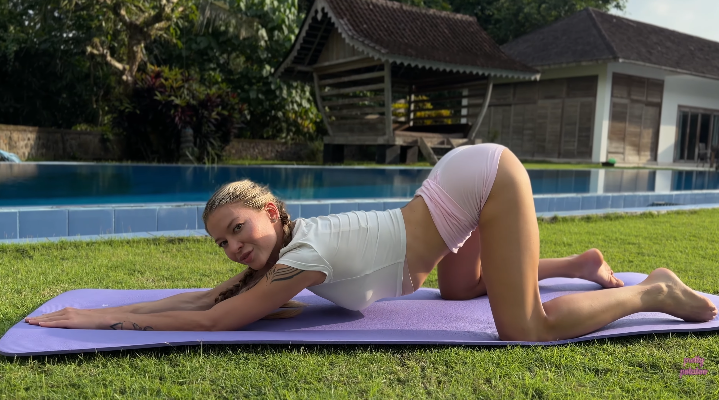
The lower body contains some of the largest muscle groups in the body, and stretching them can have a profound impact on overall flexibility. Hips, hamstrings, quadriceps, and calves all play a role in how freely we move.
Hip-opening poses are a cornerstone of yoga for flexibility. Whether through seated stretches, lunges, or reclining poses, opening the hips helps release tightness caused by prolonged sitting and repetitive movement patterns. Many practitioners also experience emotional release during hip stretches, as this area is often associated with stored stress.
Hamstring stretches are approached gradually, using breath and relaxation to encourage length without strain. Yoga teaches that flexibility comes from patience, not pressure. Over time, these stretches improve mobility in the legs and reduce strain on the lower back.
Calf and ankle stretches are included to support balance and circulation. These areas are essential for walking, standing, and overall stability, yet they are frequently neglected. Gentle stretching improves blood flow and reduces stiffness, especially for those who spend long hours on their feet or seated.
Integrating Relaxation into Movement
What sets yoga apart from other stretching routines is its integration of relaxation at every stage. Instead of pushing through discomfort, yoga encourages listening. If a stretch feels intense, you are invited to soften, adjust, or pause.
Breath is the key tool for relaxation. Slow, steady breathing signals the nervous system to shift out of stress mode and into a state of rest and repair. As you exhale, imagine releasing unnecessary tension from the body. This mental cue can significantly deepen the effectiveness of each stretch.
Throughout the routine, moments of stillness are intentionally included. These pauses allow the body to absorb the benefits of the stretches and prevent overstimulation. Relaxation is not something saved only for the end; it is woven into the entire practice.
The Power of the Cool-Down
As the active stretching portion of the routine comes to a close, the body is warm, open, and more receptive to deeper relaxation. Cooling-down poses are slower and more passive, encouraging complete release.
Reclining stretches, gentle twists, and supported poses help calm the heart rate and quiet the mind. These positions require minimal effort, allowing gravity and breath to do the work. They are especially effective for reducing stress and preparing the body for rest.
The final relaxation pose, often known as Savasana, is the heart of the practice. Lying comfortably on your back, you allow the body to rest fully. This is not wasted time; it is where the nervous system integrates the practice, muscles recover, and the mind finds clarity.
Benefits Beyond Flexibility
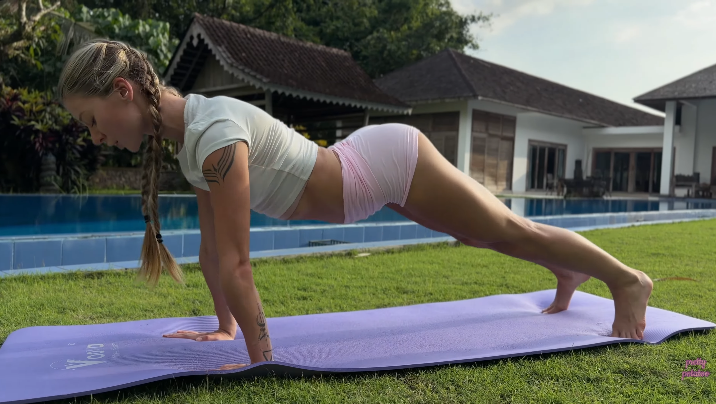
While improved flexibility is a primary goal, the benefits of a full-body yoga stretching routine extend far beyond physical range of motion. Regular practice can lead to better posture, reduced muscle tension, improved sleep, and enhanced mental focus.
Relaxation-based yoga also supports emotional well-being. By slowing down and tuning inward, you create space to process stress and cultivate resilience. Many people find that even short sessions leave them feeling calmer, more balanced, and better equipped to handle daily challenges.
Making It a Sustainable Habit
One of the greatest strengths of this full-body stretching routine with relaxation is its sustainability. It does not require extreme effort or perfect conditions. It can be practiced by beginners and experienced yogis alike, adapted to different energy levels and time constraints.
Consistency matters more than intensity. Practicing yoga for flexibility a few times a week, even for a short duration, can lead to noticeable improvements over time. The body responds best to regular, gentle input rather than occasional forceful stretching.
Closing with Intention
As you complete the routine, take a moment to acknowledge how your body feels. Notice any changes in flexibility, warmth, or ease. Bring awareness to your breath and the calmness in your mind.
This full-body stretching routine with relaxation is a reminder that flexibility is not just about muscles—it is about adaptability, patience, and self-care. Through yoga, you learn to move with awareness, rest without guilt, and honor your body’s needs. Each time you return to this practice, you deepen not only your flexibility, but also your connection to yourself.