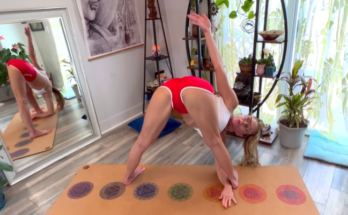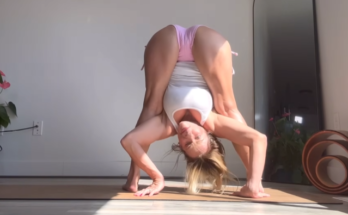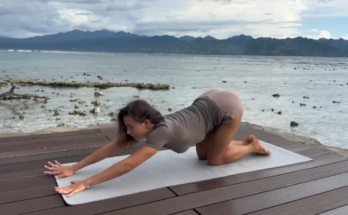
Stretching and gymnastics form a powerful partnership in the world of movement and physical training. Together, they create a foundation of strength, flexibility, balance, and control that supports not only athletic performance but also everyday health and well-being. Whether practiced by professional athletes, gymnasts, dancers, or beginners seeking better mobility, stretching and gymnastics work hand in hand to unlock the body’s full potential.
At their core, both disciplines emphasize body awareness. Gymnastics challenges the body through dynamic movements, controlled strength, and precise coordination, while stretching ensures that the muscles and joints remain supple, resilient, and ready to move safely. When combined, they help build a body that is not only strong but also fluid and injury-resistant.
Understanding the Role of Stretching
Stretching is often underestimated, yet it plays a crucial role in physical development. It prepares the muscles for movement, increases joint range of motion, and improves circulation. In gymnastics, where movements demand extreme precision and flexibility, stretching becomes essential rather than optional.
There are several types of stretching commonly used alongside gymnastics training. Dynamic stretching is performed before workouts to gently warm up the muscles through controlled movement. Static stretching, often done after training, involves holding positions to lengthen muscles and release tension. Active stretching, where the athlete uses their own strength to hold a stretch, closely mirrors gymnastics movements and builds both flexibility and control.
Consistent stretching improves posture, reduces stiffness, and enhances body alignment. Over time, it allows gymnasts and fitness enthusiasts to move with greater ease, reducing strain on the joints and minimizing the risk of injury.
Gymnastics as a Full-Body Discipline

Gymnastics is one of the most complete forms of physical training. It develops strength, flexibility, agility, balance, and coordination simultaneously. Unlike many sports that focus on specific muscle groups, gymnastics demands full-body engagement, requiring the athlete to control their body in space.
Movements such as handstands, cartwheels, bridges, and splits challenge both the muscular and nervous systems. Each skill requires a combination of flexibility from stretching and strength from repeated practice. Gymnastics teaches the body how to move efficiently, generating power through proper alignment rather than brute force.
One of the unique aspects of gymnastics is its emphasis on relative strength—the ability to move and support one’s own body weight. Stretching supports this by allowing muscles to extend fully, making movements smoother and more controlled.
The Connection Between Flexibility and Strength
A common misconception is that flexibility and strength are opposing qualities. In reality, they are deeply connected. Gymnastics proves that true strength exists through a full range of motion. Stretching enhances this range, allowing muscles to contract and extend more effectively.
For example, a gymnast performing a split leap relies on strong leg muscles as much as flexible hips and hamstrings. Without stretching, the movement would be restricted; without strength, it would lack power and control. When stretching and gymnastics are practiced together, the body learns to balance these qualities naturally.
This balance also protects the body. Flexible muscles absorb impact more efficiently, while strong muscles stabilize joints. Together, they create a resilient system capable of handling intense physical demands.
Stretching Techniques Used in Gymnastics

Gymnastics training incorporates a wide variety of stretching techniques designed to target specific areas of the body. Shoulders are stretched to improve overhead mobility for handstands and rings. Hips and hamstrings are carefully opened to support splits, leaps, and floor routines. The spine is mobilized through backbends and twists to enhance fluidity and control.
Progressive stretching is key. Rather than forcing the body into extreme positions, gymnasts gradually deepen stretches over time. This patient approach respects the body’s natural limits and promotes long-term flexibility without injury.
Breathing plays an important role as well. Slow, controlled breaths help relax the muscles and allow stretches to deepen safely. This mindful approach turns stretching into a form of moving meditation, enhancing both physical and mental focus.
Mental Benefits of Stretching & Gymnastics
Beyond physical improvements, stretching and gymnastics offer significant mental benefits. Both practices require concentration, discipline, and patience. Learning new skills or deepening flexibility takes time, teaching practitioners to appreciate gradual progress rather than instant results.
Stretching encourages relaxation and stress relief. As muscles release tension, the nervous system calms, creating a sense of mental clarity. Gymnastics, on the other hand, builds confidence and self-trust. Mastering a challenging movement fosters a strong sense of achievement and body awareness.
Together, these practices promote a positive relationship with the body. Instead of focusing on limitations, practitioners learn to celebrate what their bodies can do and how they can continue to grow.
Stretching & Gymnastics for All Ages

One of the greatest strengths of stretching and gymnastics is their adaptability. They can be practiced by people of all ages and fitness levels. For children, gymnastics develops coordination, strength, and confidence during crucial growth years. Stretching keeps young bodies flexible and supports healthy development.
For adults, these practices counteract the effects of sedentary lifestyles. Regular stretching improves mobility, while gymnastics-inspired exercises build functional strength and balance. Even simple movements such as floor rolls, bridges, or supported handstands can enhance body control and joint health.
Older adults also benefit from gentle stretching and modified gymnastics exercises. These help maintain flexibility, prevent stiffness, and improve balance, reducing the risk of falls and injuries.
Injury Prevention and Recovery
Injury prevention is a major reason why stretching is essential in gymnastics training. Proper stretching keeps muscles elastic and joints mobile, reducing the likelihood of strains and tears. Warm-up stretches prepare the body for intense movements, while cool-down stretches aid recovery by promoting blood flow and muscle relaxation.
Gymnastics also teaches safe movement patterns. Learning how to fall, roll, and distribute force properly protects the body during unexpected situations, both in training and daily life. When combined with stretching, these skills create a strong foundation for long-term physical health.
Building a Consistent Practice
Consistency is more important than intensity when it comes to stretching and gymnastics. Short, regular sessions are far more effective than occasional long workouts. Even 15–30 minutes a day can lead to noticeable improvements over time.
Listening to the body is essential. Some days may feel more flexible than others, and that is perfectly normal. Progress comes from patience and respect for the body’s rhythms. Rest days are just as important as training days, allowing muscles to recover and grow stronger.
A Lifelong Journey of Movement
Stretching and gymnastics are not merely workouts; they are lifelong practices that evolve with the individual. As strength increases and flexibility improves, movements become more refined and expressive. The body learns to move with grace, power, and confidence.
Through regular practice, stretching and gymnastics cultivate a deep connection between mind and body. They remind us that movement is not only about performance but also about joy, exploration, and self-care. Whether you are training for athletic goals or simply seeking better mobility and balance, these disciplines offer endless opportunities for growth.
In embracing stretching and gymnastics, we choose to honor the body’s incredible potential—building strength, expanding flexibility, and moving through life with greater ease and freedom. 🤸♂️✨