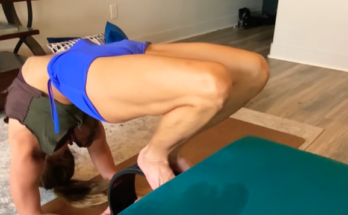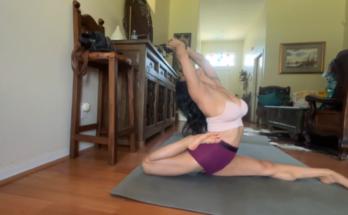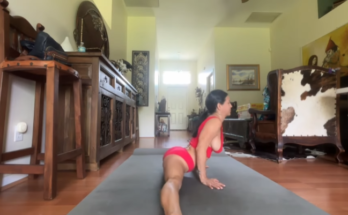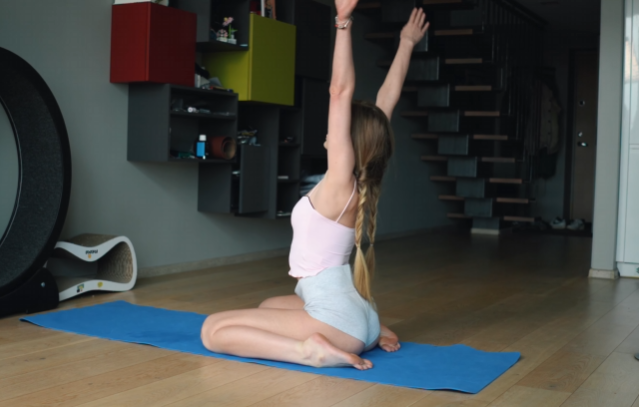
Every morning, just before the city fully wakes, Alice rolls out her mat by the wide window of her small apartment. The light arrives first as a whisper—pale gold slipping between buildings, touching the floor like a promise. For Alice, this hour belongs to yoga. Not fitness yoga, not performance yoga, but the quiet kind that feels like a conversation with herself. When she steps onto the mat, the noise of the world softens, and something steady takes its place.
Alice did not always love yoga. Years ago, she thought it was only about flexibility—about touching toes, twisting deep, and holding poses that looked impossible. She tried once, felt clumsy and stiff, and decided it wasn’t for her. Life moved on. Work became demanding, days grew longer, and stress settled into her shoulders like an old habit. It wasn’t until her body started whispering back—through tension, shallow breathing, restless sleep—that Alice realized something needed to change.
Her return to yoga was quiet and unremarkable. No dramatic turning point, no grand resolution. Just a simple decision one evening after a long day: “I need to breathe again.” She followed an online class, moving slowly, awkwardly, learning how to listen instead of push. That night, she slept deeply for the first time in months. The next morning, she rolled out the mat again. That was the beginning of Yoga with Alice.
Now, yoga is woven into her life the way breath is woven into movement. She starts seated, eyes closed, hands resting softly on her knees. Inhale. Exhale. She notices how her chest rises, how her belly responds, how her thoughts gradually lose their sharp edges. Alice believes the first pose of yoga is stillness. Without it, nothing else truly matters.
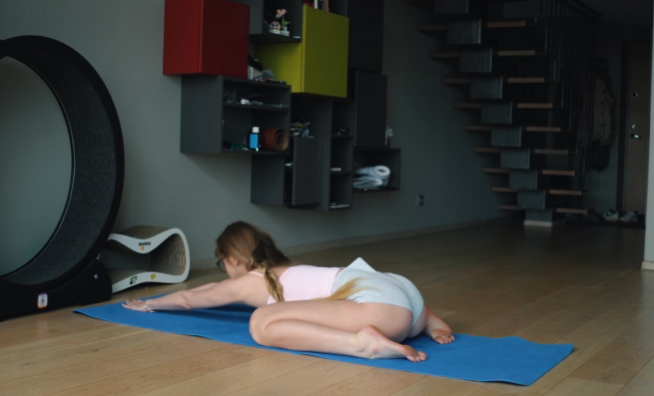
As she moves into gentle stretches, Alice treats her body like a trusted companion. She doesn’t demand; she invites. A slow forward fold releases the back of her legs, but more importantly, it releases the urge to rush. In this pose, she lets her head hang heavy, allowing gravity to do the work. The mind follows the body’s example, loosening its grip on yesterday and tomorrow.
Yoga with Alice is never the same twice. Some mornings her body feels light and open, eager to flow. Other days it feels dense, resistant, as if carrying the weight of unspoken worries. Alice has learned not to judge these differences. Instead, she adjusts. On strong days, she flows through sun salutations with steady rhythm, feeling heat build, muscles awaken, confidence rise. On softer days, she stays closer to the ground, exploring long holds and gentle twists. Both are yoga. Both are enough.
One of Alice’s favorite poses is Warrior II. She loves how grounded it feels—feet firm, legs strong, arms extended wide. In this posture, she feels both powerful and calm, like standing in the center of a storm without being pulled apart by it. She often smiles here, reminded that strength does not have to be aggressive. It can be quiet. It can be patient.
Balance poses taught Alice some of her most important lessons. Tree pose, in particular, revealed how much she used to fight instability. At first, she wobbled constantly, frustration rising each time her foot touched the floor. Over time, she realized balance wasn’t about forcing stillness. It was about responding—making tiny adjustments, staying relaxed, accepting movement as part of the pose. Off the mat, this understanding changed how she handled uncertainty. Life, like Tree pose, doesn’t require perfection—only presence.
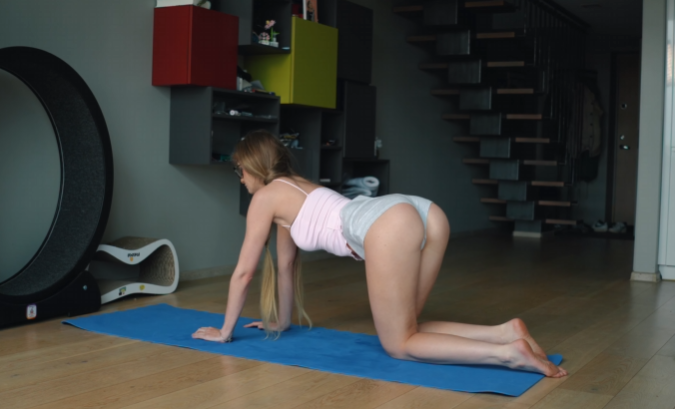
Breath is the invisible teacher in Yoga with Alice. When a pose feels intense, she returns to it. Slow inhale through the nose. Long exhale out. Breath creates space where tension once lived. Alice noticed that when she holds her breath, she holds her emotions too. When she breathes freely, feelings move through instead of getting stuck. Yoga taught her that breathing is not automatic living—it is intentional living.
Over time, friends began to notice changes in Alice. She listened more carefully. She reacted less impulsively. Even her posture shifted—shoulders relaxed, head lifted, movements softer. When they asked what she had changed, she smiled and said simply, “Yoga.” Some joined her classes, others didn’t, but Alice never tried to convince anyone. Yoga, she believed, finds people when they’re ready.
Occasionally, Alice practices outdoors. In the park, under open sky, her mat meets grass instead of wood. Here, yoga feels even more honest. The ground is uneven, the breeze unpredictable, the sounds uncontrolled. Birds call, leaves rustle, children laugh nearby. Instead of distraction, Alice experiences connection. She feels part of something larger, her breath blending with the rhythm of nature. Yoga reminds her that she belongs—not to schedules or expectations, but to the present moment.
Yoga with Alice also includes rest. At the end of every session, she lies in savasana, palms open, eyes closed. To some, it looks like nothing is happening. To Alice, everything is happening. This is where effort dissolves, where the body absorbs the practice, where the mind learns to be still without falling asleep. In savasana, Alice feels whole—no roles, no pressure, just being.
Not every day is peaceful. Alice still has difficult moments, stressful deadlines, unexpected disappointments. Yoga did not remove life’s challenges; it changed how she meets them. When tension rises, she recognizes it sooner. When emotions swell, she breathes instead of reacting. Yoga gave her tools, not escapes. It taught her how to stay when things feel uncomfortable, how to soften without giving up.
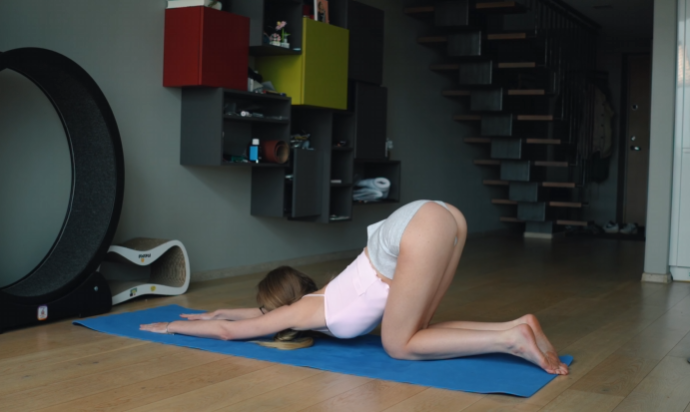
There are days when Alice doesn’t want to practice. When the mat stays rolled up, when motivation feels far away. On those days, she offers herself kindness instead of guilt. Yoga taught her that discipline and compassion must exist together. Sometimes the practice is movement. Sometimes the practice is rest. Both require honesty.
As seasons change, so does her yoga. In winter, her sessions are slower, warmer, more inward. In summer, they are expansive, energetic, playful. Alice loves how yoga reflects life’s cycles, reminding her that change is natural and necessary. Nothing stays fixed—not flexibility, not strength, not mood. Yoga with Alice is about flowing with these shifts instead of resisting them.
If you ask Alice what yoga means to her now, she won’t talk about poses or styles. She’ll tell you that yoga taught her how to listen—to her body, her breath, her inner voice. It taught her that progress is not always visible and that softness can be a form of power. Yoga showed her that peace is not something you chase; it is something you practice.
Every morning, when Alice steps onto her mat, she meets herself exactly as she is. Some days confident, some days uncertain. Some days strong, some days tender. Yoga welcomes all of it. And that, perhaps, is why Yoga with Alice is not just a routine—it is a relationship. One built on patience, awareness, and the quiet understanding that being present is already enough.