At sunrise, when the mist still clung to the low hills and the soil smelled fresh and alive, CUTIS was already awake. He perched on the wooden fence at the edge of the cassava field, tail swinging lazily, eyes sharp with curiosity. The farmers called him their “little supervisor,” because CUTIS never missed a harvest day. Somehow, he always knew. Before the first hoe touched the earth, before the laughter and chatter began, CUTIS was there—watching, listening, learning.
Cassava season was special. The long green leaves waved like flags in the morning breeze, hiding thick, stubborn roots beneath the ground. For the farmers, cassava meant food, income, and security. For CUTIS, it meant adventure.
As the farmers lined up with baskets and tools, CUTIS leaped down and scampered between them, inspecting everything. He tugged at a rope here, sniffed a basket there, and occasionally reached out with an itchy little hand, just to make sure nothing interesting was being overlooked. The farmers laughed and shook their heads.
“CUTIS, today you work hard,” one farmer joked.
CUTIS puffed out his chest proudly, as if to say, Of course I will.
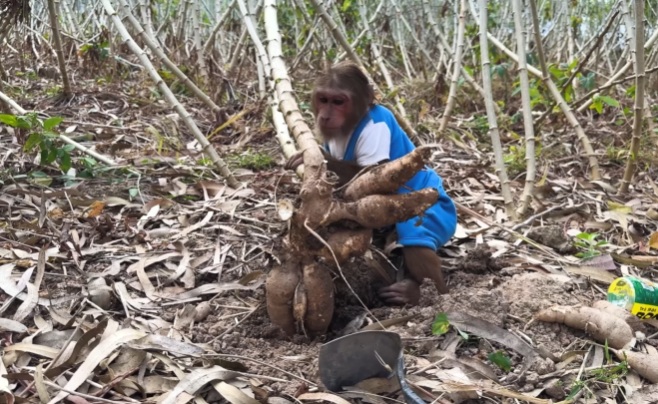
The harvest began. Thick roots were pulled from the soil with a satisfying crack, earth falling away in soft clumps. CUTIS watched closely, eyes wide. Cassava roots fascinated him—their rough brown skins, their weight, the way they seemed to hide underground like secrets. When one farmer set a freshly harvested root aside, CUTIS crept closer, touched it, and recoiled slightly at its coolness. Then he tried again, more confidently, gripping it with both hands.
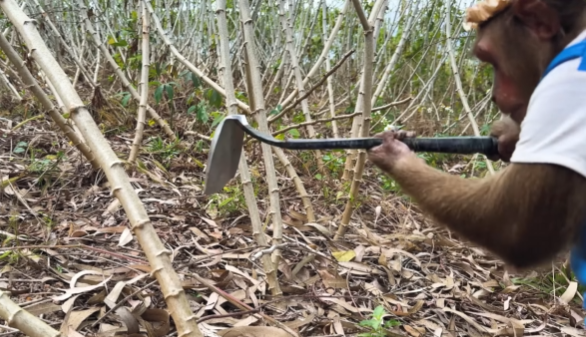
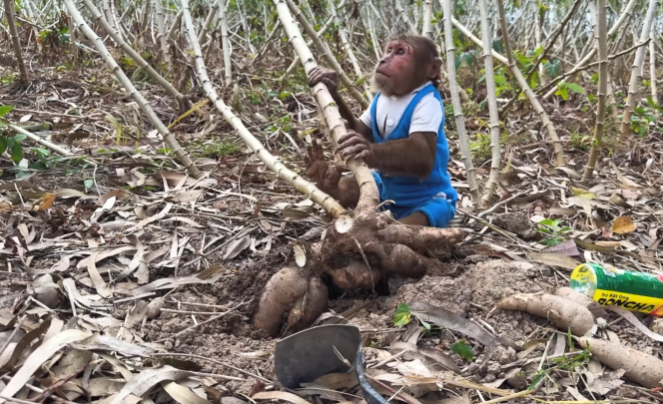
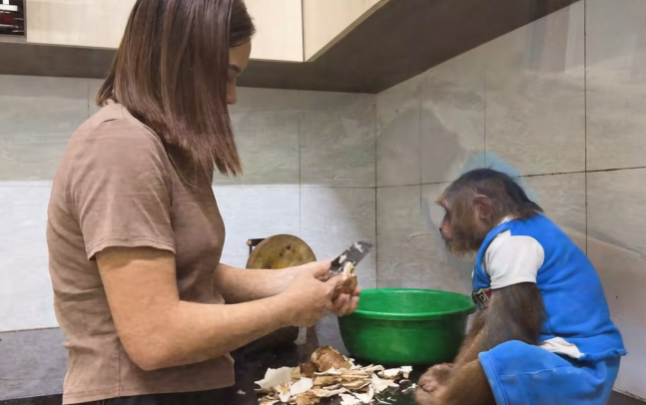
The farmers pretended not to notice, but they were always watching CUTIS out of the corners of their eyes.
By mid-morning, the baskets were full. The cassava harvest was a success, and the farmers wiped sweat from their brows, satisfied smiles on their faces. But this was only the beginning. Everyone knew that after harvesting came the trip to the market—and that was where things became… unusual.
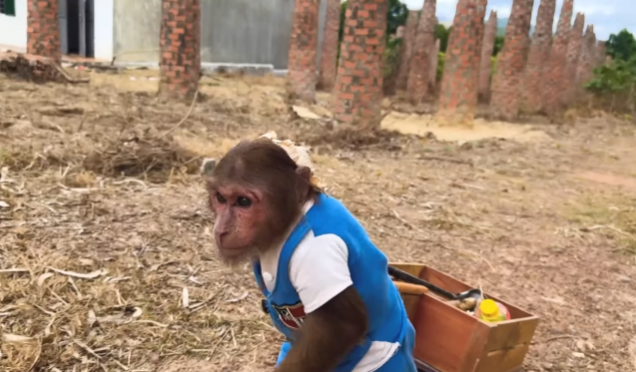
CUTIS sensed it too. There was a change in the air, a quiet excitement that went beyond selling crops. As the cassava was loaded onto carts and motorbikes, CUTIS hopped aboard like he owned the place, settling himself on top of a sack as the convoy set off down the dusty road toward the market.
The market was alive long before they arrived. Vendors shouted prices, metal scales clinked, and the smell of grilled food drifted through the air. CUTIS loved the market. It was noisy, colorful, and full of surprises. But today, something different was happening.
Instead of unloading the cassava immediately, the farmers gathered in a tight circle near the edge of the market. Their voices dropped to whispers. Hands gestured subtly. CUTIS leaned forward, ears twitching. He sensed a secret—and secrets were his favorite thing.
One farmer carefully untied a sack, revealing not just cassava, but neatly wrapped bundles hidden beneath. CUTIS’s eyes widened. This was not normal market business.
The “special thing” was a tradition, passed quietly from season to season. When the cassava harvest was good, the farmers set aside a portion—not for profit, but for kindness. Hidden among the sacks were small packages of cassava flour, dried roots, and even snacks prepared at home. These were meant for people who needed them most.
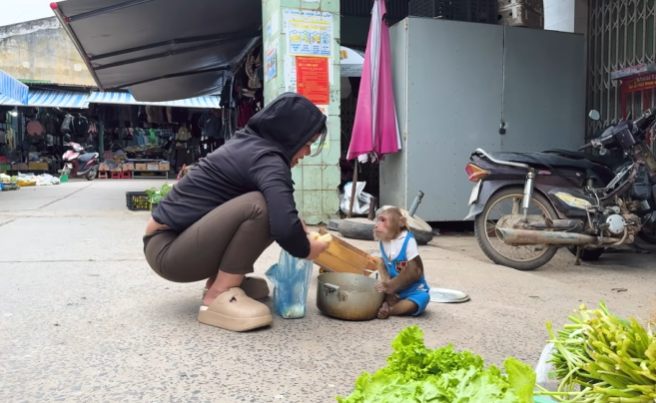
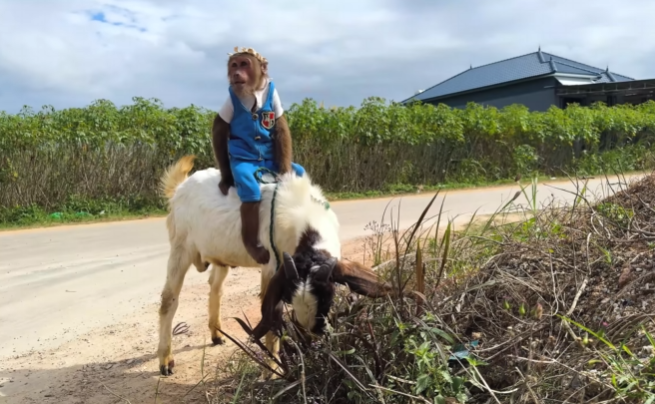
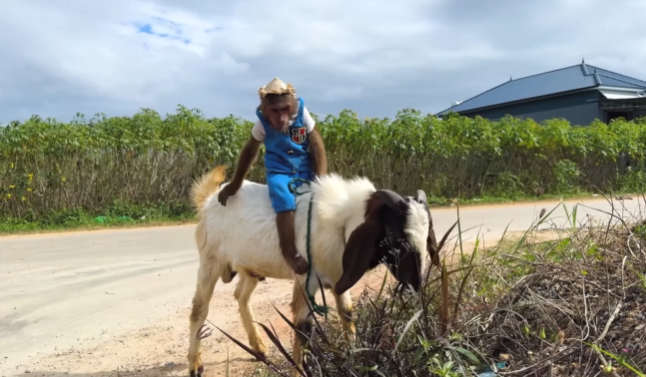
CUTIS didn’t understand the tradition in words, but he understood it in feeling. He sensed the shift from business to generosity. His playful energy softened, replaced by something gentler.
One by one, the farmers began their quiet work. They sold cassava as usual, smiling and bargaining like any other day. But when an elderly woman approached with barely enough money, a farmer slipped an extra bundle into her bag. When a thin child stared longingly at the food, another farmer bent down and handed over a small package with a wink.
CUTIS watched everything.
At one stall, a vendor pretended to drop something. CUTIS rushed over, thinking it was food, but instead saw a farmer discreetly place cassava flour into a cloth bag carried by a struggling street worker. The exchange was quick, almost invisible—but CUTIS caught it. He always did.
Inspired, CUTIS decided he wanted to help.
He grabbed a small cassava root and trotted toward a nearby stall where a tired-looking boy sat beside his mother. The boy’s eyes lit up when he saw CUTIS approaching. CUTIS hesitated, then gently placed the cassava root on the edge of the stall and stepped back.
The mother gasped softly.
The boy smiled.
The farmers noticed. A ripple of surprise and pride passed through them.
“Well,” one whispered, “CUTIS understands.”
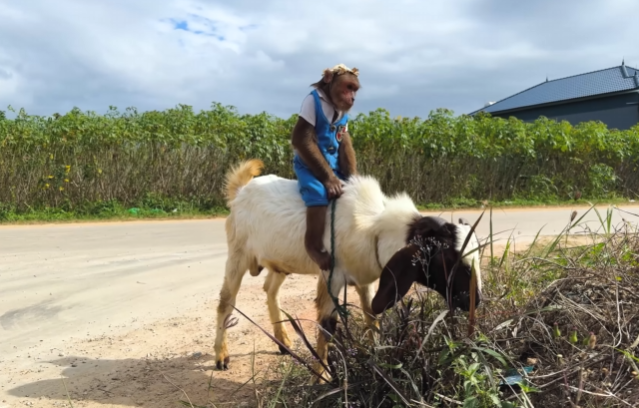
Encouraged, CUTIS continued his “mission.” He picked up small items—never stealing, always taking what the farmers clearly allowed—and delivered them with exaggerated care. Sometimes he made a show of it, standing tall and puffing his chest as if performing an important duty. Other times, he was shy, placing the food down and quickly scampering away.
The market buzzed with quiet amazement. People whispered, pointed, smiled. Phones came out. But CUTIS didn’t care about attention. He was focused on the feeling—the warm, strange happiness that came from giving.
Of course, CUTIS was still CUTIS.
At one point, he got distracted by the smell of grilled corn and nearly abandoned his task entirely. He climbed halfway up a food stall, earning a scolding look from a farmer and laughter from the crowd. Embarrassed, CUTIS slid back down and returned to his cassava duties, cheeks flushed beneath his fur.
As the day went on, the hidden bundles dwindled. The farmers exchanged satisfied glances. The secret tradition had been fulfilled again, quietly, beautifully.
When the last sack was empty, the farmers finally relaxed. They gathered under a shaded awning, sharing water and stories. CUTIS hopped onto a bench, exhausted but content. His tail drooped, and he leaned against a farmer’s arm.
“You did good today,” the farmer murmured, gently scratching behind CUTIS’s ear.
CUTIS closed his eyes.
As the market began to thin and the sun dipped lower, something unexpected happened. A woman approached the farmers, holding a small bag of fruit.
“This is for you,” she said softly. “And for him.”
She pointed at CUTIS.
CUTIS opened one eye suspiciously as the bag was placed in front of him. Inside were ripe bananas and a small piece of sweet cassava cake. His eyes widened. He looked up at the farmers, as if asking permission.
They nodded.
CUTIS squealed with joy.
The farmers laughed, the sound rich and full. In that moment, the secret no longer felt hidden. It felt shared—understood by everyone who had witnessed it.
As they packed up to leave, CUTIS climbed back onto the cart, clutching his prize. He looked back at the market one last time, then forward toward the road home.
The cassava harvest had been successful. The market sales were good. But the most unbelievable part wasn’t the crops or the money.
It was the quiet kindness.
The secret generosity.
And the little monkey who learned that sometimes, the most special thing you can do… is give.