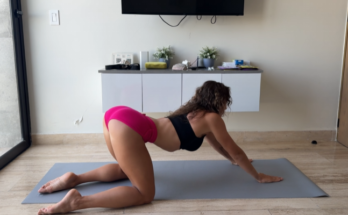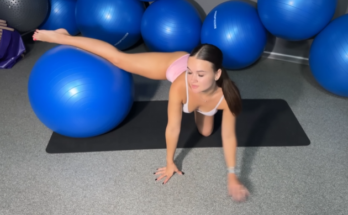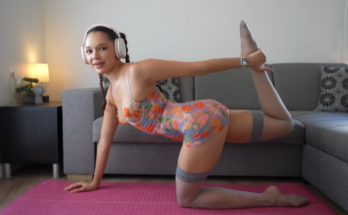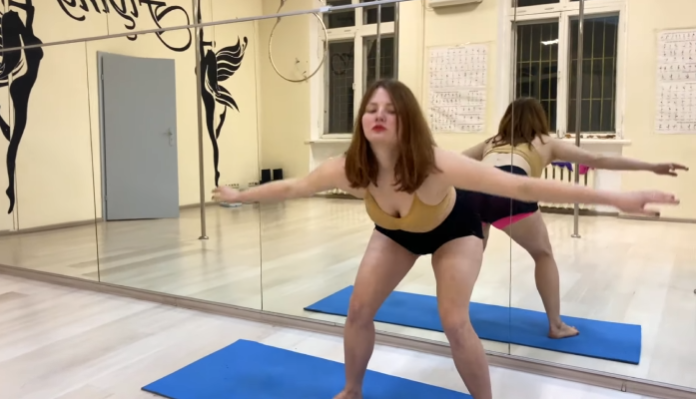
Flexibility has always been at the heart of contortion and gymnastics. From deep backbends to effortless splits, what looks impossible to most people is the result of years of intelligent stretching, body awareness, and patience. In many training videos featuring Asian flexible girls, viewers are often amazed by how smooth, calm, and controlled the movements appear. There is no rushing, no aggression—just precision, breath, and deep understanding of the body. At the center of all this mastery lies one essential foundation: hip opening.
The Role of Flexibility in Contortion and Gymnastics
Contortion and gymnastics demand extreme ranges of motion. The hips, being one of the body’s largest and most complex joints, must be both flexible and strong. Without proper hip mobility, advanced skills such as middle splits, oversplits, needle scales, and deep back walkovers become difficult or unsafe.
Flexibility in this context is not random looseness. It is active flexibility—the ability to control movement at the end of a range. This is why elite gymnasts and contortionists spend just as much time stretching as they do strengthening.
Why Asian Flexible Training Styles Stand Out
Many Asian flexibility and contortion training styles emphasize slow, deliberate progress. Instead of forcing a stretch, the practitioner sinks gradually into positions while maintaining calm breathing and relaxed facial expressions. This approach reduces injury risk and allows the nervous system to adapt safely.
The focus is often on:
- Long, controlled holds
- Symmetry between left and right sides
- Graceful transitions in and out of stretches
- Respecting the body’s limits on any given day
This mindset is one of the biggest reasons why their hip opening looks so effortless and elegant.
Understanding Hip Anatomy for Better Stretching
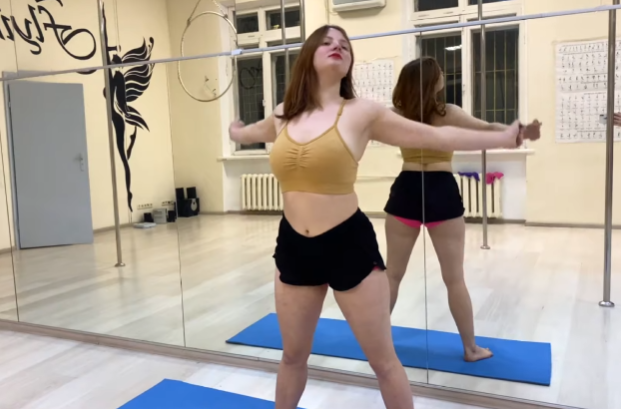
The hips involve multiple muscle groups working together:
- Adductors (inner thighs) – crucial for middle splits
- Hip flexors – allow deep leg extension
- Glutes – stabilize and support the joint
- Hamstrings – influence both forward folds and splits
When stretching for contortion or gymnastics, all these muscles must be addressed. Ignoring one area creates imbalance and limits progress.
The Importance of Warm-Up
No contortionist or gymnast stretches cold. A proper warm-up increases blood flow and prepares the joints for deeper ranges. Light cardio, gentle joint circles, and dynamic leg movements are commonly used before hip opening sessions.
Warm muscles stretch more safely and respond faster. This step alone can determine whether flexibility training feels smooth or painful.
Hip Opening as the Gateway to Advanced Skills
Hip opening is essential for:
- Middle splits and straddle positions
- Front splits and oversplits
- Backbends with leg extensions
- Needle and scorpion poses
- Balance-based contortion shapes
Without open hips, the lower back often compensates, leading to compression and discomfort. True flexibility distributes movement evenly across the body.
Slow Stretching and Breath Control
One of the most noticeable aspects of flexible stretching videos is the use of calm breathing. Long exhales help relax the muscles and signal safety to the nervous system. When the body feels safe, it releases tension.
Holding a stretch while breathing deeply allows the hips to open gradually. Rushing this process only creates resistance.
Active Flexibility in Gymnastics
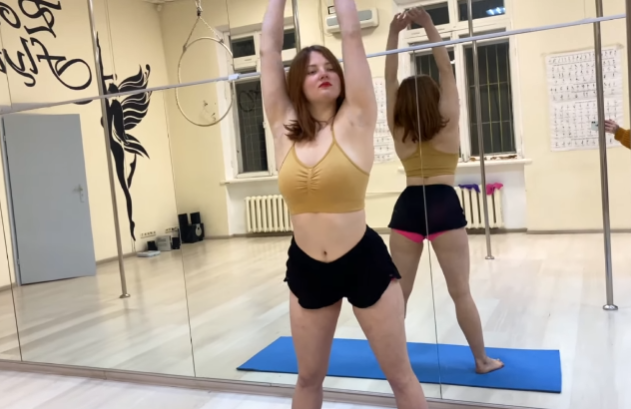
Gymnastics demands strength within flexibility. It’s not enough to reach a position—you must be able to hold it, balance in it, and move through it. That’s why gymnasts train active flexibility, engaging muscles even while stretching.
This approach builds stability, prevents injury, and makes movements look effortless on the floor or beam.
Daily Practice and Discipline
Behind every “naturally flexible” athlete is a disciplined routine. Hip opening improves with consistency, not intensity. Short daily sessions are more effective than long, irregular ones.
Many contortionists train flexibility daily, adjusting intensity based on how their body feels. Some days go deeper, others focus on maintenance and recovery.
Mental Focus and Body Awareness
Flexibility training is as mental as it is physical. Being aware of subtle sensations helps avoid overstretching. Skilled practitioners know the difference between productive discomfort and harmful pain.
This awareness is especially important in hip opening, where sensitive muscles and ligaments are involved.
Grace and Control in Movement
What makes Asian flexible stretching so captivating is not just depth—it’s grace. Movements are smooth, transitions are controlled, and the body appears relaxed even in extreme positions.
This grace comes from:
- Years of controlled practice
- Balanced strength and flexibility
- Respect for alignment and posture
Grace reduces strain and enhances performance quality.
Avoiding Common Hip Opening Mistakes
Many beginners make the mistake of forcing stretches or copying advanced poses too soon. Common errors include:
- Bouncing in stretches
- Ignoring warm-up
- Pushing through sharp pain
- Comparing progress to others
These habits slow progress and increase injury risk.
Flexibility and Longevity
True flexibility training is about longevity. Contortionists who last for years prioritize recovery, proper technique, and rest. Stretching should leave the body feeling open and light—not exhausted or damaged.
Hip opening done correctly improves posture, reduces stiffness, and enhances overall movement quality.
Cultural Influence on Training Philosophy
In many Asian training environments, patience and discipline are deeply valued. This cultural mindset influences how flexibility is taught and practiced. Progress is steady, respectful, and focused on mastery rather than speed.
This philosophy helps athletes develop a healthy relationship with their bodies.
The Emotional Side of Stretching
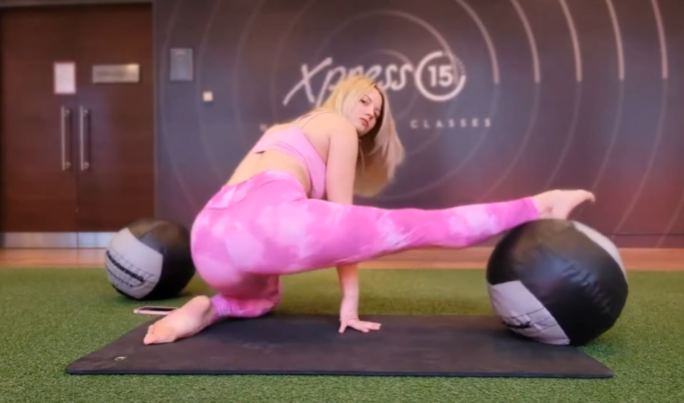
Stretching, especially hip opening, can release stored tension. Some people experience emotional responses during deep stretches. This is normal and should be approached gently, with kindness toward oneself.
A calm environment and focused breathing help manage these moments.
Who Can Benefit from This Style of Stretching
You don’t need to be a contortionist to benefit from these methods. Dancers, martial artists, yoga practitioners, and everyday individuals can all improve mobility and comfort through controlled hip opening.
Even small increases in hip flexibility can enhance daily movement and reduce discomfort.
Progress Takes Time—and That’s Okay
Flexibility is not a race. Every body is different, influenced by genetics, training history, and lifestyle. What matters most is consistent, safe progress.
Respecting your own pace ensures long-term success.
Final Thoughts
Contortion and gymnastics stretching, especially as demonstrated by Asian flexible athletes, shows that flexibility is an art built on patience, discipline, and awareness. Hip opening is not about forcing the body into extreme shapes—it’s about guiding it there with care.
With calm breath, controlled movement, and consistent practice, flexibility becomes a sustainable journey. The beauty of these stretches lies not only in how deep they go, but in how peacefully the body moves within them.