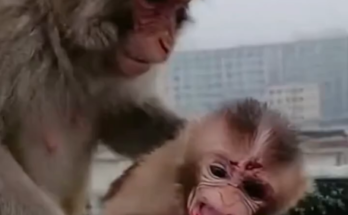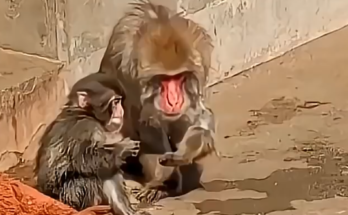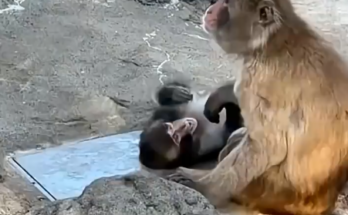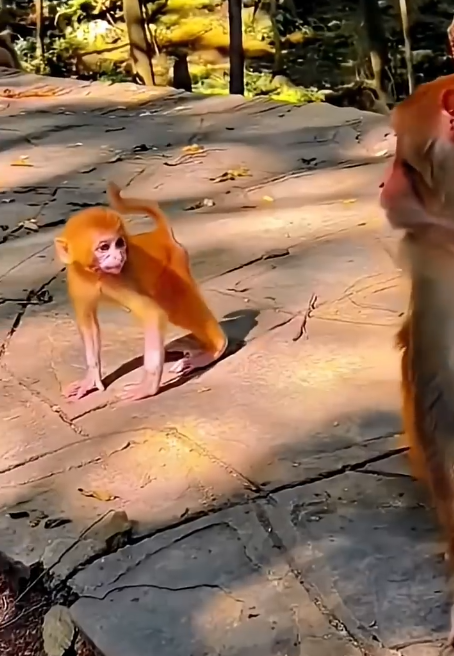
My God, how much suffering there is in the animal kingdom too. It is easy to forget when we admire nature from a distance—when we see beautiful documentaries, playful animals, and peaceful landscapes. But beneath that surface lies a reality that is often harsh, unforgiving, and filled with silent pain. Animals suffer in ways that are invisible to many of us, and their suffering is no less real simply because they cannot speak.
In the wild, survival is a constant struggle. Every day is a battle against hunger, injury, illness, predators, and exhaustion. For many animals, life begins in danger and ends in pain, with little comfort in between. A newborn animal may not survive its first night. A wounded one may limp for days before finally collapsing. There are no hospitals, no painkillers, no safe places to recover. Nature does not pause to allow healing—it moves on relentlessly.
Predation is often described as “natural,” but that does not make it painless. When an animal is chased, caught, or injured, fear and agony are real. The prey animal feels terror in its final moments, while the predator, driven by hunger, must kill in order to live. This is not cruelty in the human sense, but it is suffering nonetheless—built into the structure of life itself.
Hunger alone causes immense pain. Many animals spend their entire lives searching for food, never knowing when the next meal will come. During droughts, cold seasons, or environmental changes, countless creatures starve slowly. Their bodies weaken, their movements slow, and eventually they simply cannot continue. There is no rescue. No mercy. Just silence.
Illness and injury are especially cruel in the animal kingdom. A broken leg for a wild animal is often a death sentence. Infections spread without treatment. Parasites consume from the inside. Animals endure these conditions quietly, hiding their pain because showing weakness invites danger. They suffer in silence, alone, until they can no longer move.
Then there is the suffering caused by humans.
This is where the pain becomes harder to accept.
Animals are trapped, hunted, trafficked, abused, and displaced. Babies are taken from their mothers. Families are broken apart. Creatures are kept in cages too small to turn around in, denied sunlight, movement, and dignity. Others are used for entertainment, experimentation, or profit, their fear ignored because it is inconvenient.
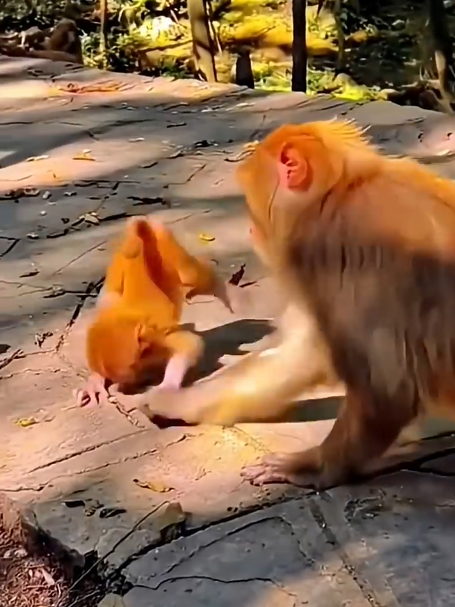
When a mother animal loses her baby—whether to hunting, trafficking, or habitat destruction—the grief is real. She searches. She calls. She waits. Anyone who has witnessed this knows it is impossible to deny her pain. Love exists in the animal kingdom, and where there is love, there is loss.
Habitat destruction causes suffering on a massive scale. Forests are cut down, oceans polluted, land poisoned. Animals lose their homes overnight. Some wander confused into human spaces, where they are feared or killed. Others simply disappear, their species slowly erased without ceremony.
Climate change adds another layer of cruelty. Rising temperatures, melting ice, changing seasons—animals cannot adapt fast enough. Polar animals starve as ice disappears. Marine life suffocates in warming, acidic waters. Migratory patterns break down, leaving animals arriving at places where food no longer exists.
What makes animal suffering especially heartbreaking is their innocence. Animals do not wage wars, build weapons, or destroy ecosystems intentionally. They live according to instinct and need. They do not understand why pain comes—only that it does.
And yet, despite everything, animals show resilience that humbles us.
A wounded animal still tries to stand.
A mother still protects her young even when weak.
A creature still seeks warmth, safety, and comfort in whatever small ways it can.
There is dignity in that struggle.
There is also responsibility on our side.
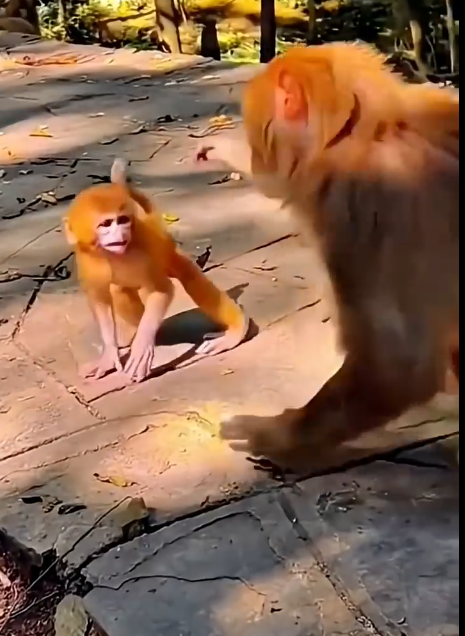
To acknowledge animal suffering is not to reject nature—it is to recognize reality. And once we recognize it, we cannot unsee it. Compassion becomes a choice. Awareness becomes a duty.
We may not be able to end all suffering in the animal kingdom. Nature itself is built on cycles of life and death. But we can reduce the suffering we cause. We can protect habitats instead of destroying them. We can reject cruelty for entertainment or profit. We can support rescue, conservation, and ethical treatment. We can choose kindness when indifference would be easier.
Even small acts matter. Caring about animals is not weakness—it is humanity at its best.
When we say, “My God, how much suffering there is in the animal kingdom too,” we are not just expressing sadness. We are recognizing shared existence. Pain does not belong only to humans. Fear, hunger, grief, and struggle cross species boundaries.
Animals feel.
Animals endure.
Animals matter.
And perhaps the true measure of our progress as humans is not how powerful we become—but how gently we treat those who cannot protect themselves.
If we allow ourselves to truly see animal suffering—not turn away, not excuse it, not minimize it—then compassion grows. And with compassion comes the possibility of change.
The animal kingdom is beautiful, yes—but it is also fragile, vulnerable, and filled with lives that deserve respect. Acknowledging their suffering does not diminish nature’s beauty. It deepens our understanding of it.
My God… there is so much suffering.
But there is also the chance—for empathy, responsibility, and kindness.
And that chance belongs to us.