Monkeys are some of the most fascinating animals in the natural world. One of the most remarkable things about them is how social they are. Unlike many animals that prefer to live alone, monkeys thrive in groups and rely heavily on each other for survival, safety, and emotional support. Monkeys are highly social animals with strong emotional bonds, and these relationships shape nearly every aspect of their lives.
In the wild, monkeys usually live in groups called troops. A troop can contain just a few members or sometimes more than fifty individuals depending on the species. Living together offers many advantages. For example, when monkeys move through forests or open areas, having many eyes watching for predators increases their chances of staying safe. While some monkeys search for food, others keep watch from high branches, alerting the group if danger approaches.
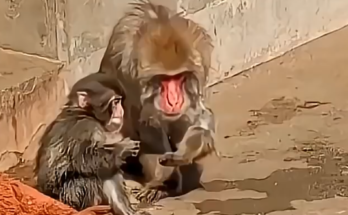
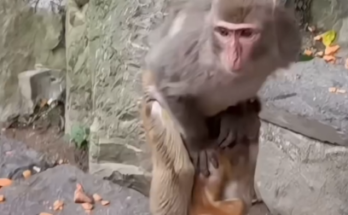
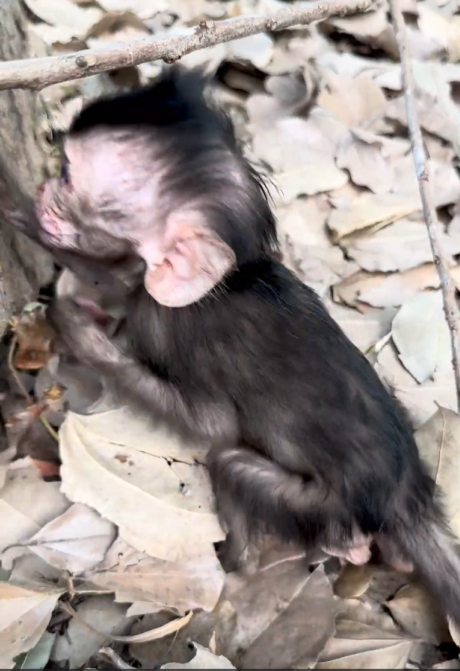
But survival is not the only reason monkeys stay together. Within these troops, monkeys form deep and lasting relationships. Mothers and babies often share the strongest bond. When a baby monkey is born, it clings tightly to its mother’s fur for warmth, comfort, and protection. The mother carries her baby everywhere, whether she is climbing trees, searching for food, or resting in the shade.
The baby monkey learns everything from its mother during these early months. It watches her movements, copies her behavior, and gradually becomes more independent. Despite this growing independence, the emotional connection between mother and baby remains extremely strong. Many baby monkeys will cry or call loudly if they are separated from their mothers, showing how important this bond is to them.
However, mothers are not the only caregivers in a monkey troop. Other females often help take care of babies as well. Older sisters, aunts, or even unrelated females sometimes hold, groom, and protect young monkeys. This cooperative care allows babies to receive attention from multiple members of the group, strengthening social connections across the troop.
One of the most common ways monkeys build these connections is through grooming. Grooming is when monkeys carefully pick through each other’s fur using their fingers and teeth. At first glance, it may appear that they are simply cleaning each other, but grooming serves a much deeper purpose.
While grooming does help remove dirt and parasites, it is also a powerful way to build trust and friendship. Monkeys often groom their closest companions more frequently than others. This shared activity helps reduce tension within the group and reinforces positive relationships. It is a quiet moment of closeness that strengthens emotional bonds between individuals.
Another sign of the strong social nature of monkeys is the way they communicate. Monkeys use a variety of sounds, facial expressions, and body movements to express themselves. Different calls may signal danger, excitement, or the discovery of food. Facial expressions such as baring teeth, raising eyebrows, or making eye contact can convey emotions like happiness, curiosity, or warning.
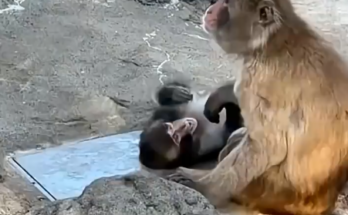
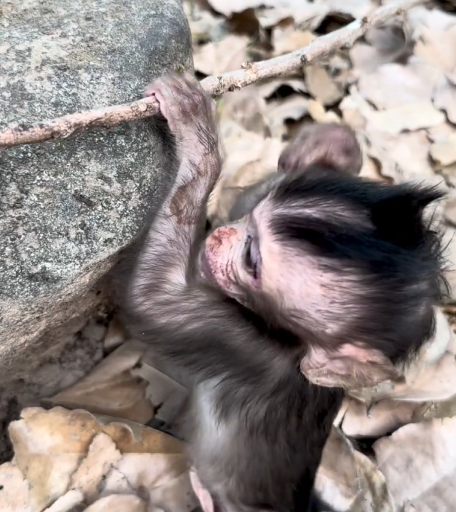
Young monkeys spend a lot of time playing with each other, and play is another important part of their social development. Baby and juvenile monkeys chase one another through branches, wrestle gently, and practice climbing skills. While these playful activities may seem like simple fun, they help young monkeys learn important social rules and physical abilities they will need as adults.
Through play, young monkeys learn how to cooperate, when to be gentle, and how to resolve conflicts. They also build friendships that may last for years within the troop. These early interactions are essential for developing the emotional intelligence that monkeys rely on throughout their lives.
Monkeys also demonstrate empathy and emotional awareness. Researchers and wildlife observers have seen many examples of monkeys comforting one another during stressful moments. If a monkey becomes frightened or injured, others may sit close by, groom it, or stay near until the situation improves. These comforting actions suggest that monkeys are capable of understanding and responding to the feelings of others.
Even during difficult times, the strength of monkey social bonds becomes clear. When a member of the troop faces danger, others may gather together to defend or protect it. This cooperative behavior increases the group’s chances of survival and shows how deeply connected the individuals are.
Leadership and social hierarchy also exist within monkey troops. Many groups have a dominant male or female who helps maintain order. However, leadership is not always based on strength alone. Experienced monkeys often guide the group to safe sleeping places or areas rich with food. Other members respect these leaders because of their knowledge and role in keeping the troop safe.
Despite these hierarchies, cooperation remains a key part of monkey society. Members rely on one another for grooming, protection, childcare, and companionship. Without these social connections, it would be much harder for monkeys to survive in the wild.
Scientists who study primates often find similarities between monkey social behavior and human social behavior. Both species value relationships, family bonds, cooperation, and emotional support. Observing monkeys in their natural environment can offer insights into how social connections evolve and why they are so important for intelligent animals.
In forests, mountains, and jungles around the world, monkeys continue to live their complex social lives. From the gentle care of a mother carrying her baby to the playful energy of young monkeys chasing through the trees, every interaction helps strengthen the bonds that hold the troop together.
Monkeys are not just animals searching for food or avoiding predators. They are members of close-knit communities filled with friendships, family ties, and emotional connections. Their daily lives revolve around communication, cooperation, and caring for one another.
By watching monkeys closely, we begin to understand that their world is rich with relationships and feelings. Monkeys are highly social animals with strong emotional bonds, and these connections help them survive, grow, and thrive together in the wild.