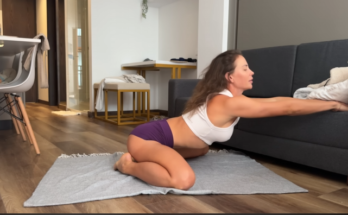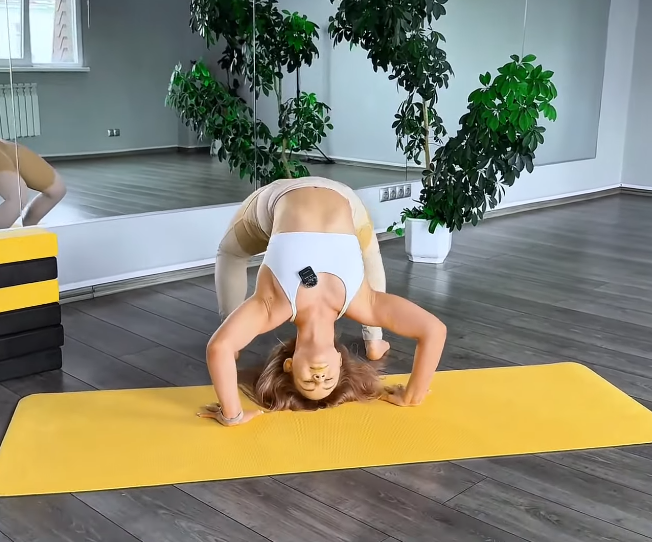
Starting your day or winding down in the evening with a full body stretch can be transformative. Not only does it improve flexibility, but it also promotes relaxation, reduces tension, and prepares your mind and body for the day or night ahead. For beginners, a structured, gentle routine is key to building confidence, learning proper technique, and avoiding injury. This relaxing full body stretch routine, captured in stunning 4K, guides you step by step through simple, effective movements that target every major muscle group, helping you feel calm, energized, and aligned.
The Importance of Stretching
Stretching is more than just bending and reaching. It improves blood flow, reduces stiffness, enhances mobility, and encourages proper posture. For beginners, stretching at home is an accessible way to take care of your body without needing equipment or a gym. It also has mental benefits—slow, mindful movements paired with deep breathing lower stress levels, calm the nervous system, and promote mental clarity. This full body stretch routine focuses on gentle, accessible exercises that engage the entire body while keeping your pace slow and controlled.
Setting the Environment
To maximize relaxation, start by creating a peaceful environment. Find a quiet space with enough room to stretch comfortably. A yoga mat or soft surface helps cushion joints. Dim the lights or open a window for natural light. Play calm, soothing music to support a mindful, focused practice. Remember, this session is about your comfort and well-being. Wear loose, breathable clothing that allows free movement, and keep a bottle of water nearby to stay hydrated.
Warm-Up: Awakening the Body
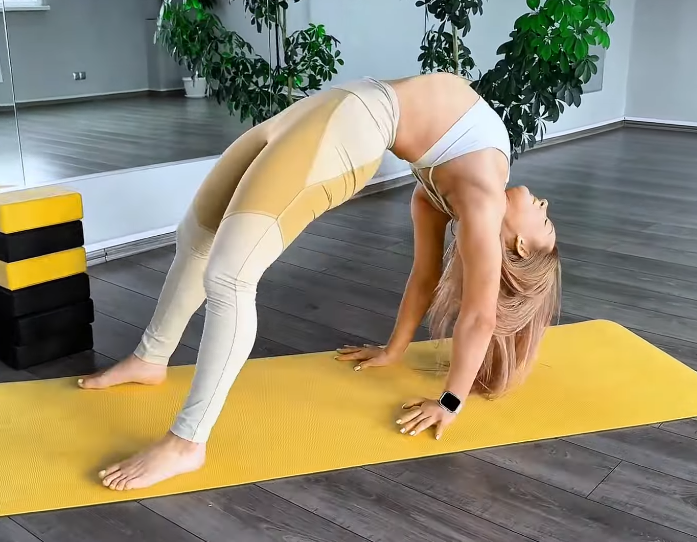
Before deep stretches, it’s important to gently wake up the muscles. Begin by standing tall with your feet hip-width apart. Roll your shoulders slowly backward and forward to release tension in the neck and upper back. Next, perform gentle neck stretches—tilt your head from side to side, forward and backward, without forcing the movement. These small motions prepare your muscles and joints for more extensive stretching.
Incorporate gentle torso twists. Stand with your feet shoulder-width apart, place your hands on your hips, and rotate your upper body slowly from left to right. This warms up the spine, engages the core, and increases blood flow to the back muscles. Add some ankle circles and gentle knee bends to awaken the lower body. These small movements prime the muscles and help prevent strain during deeper stretches.
Stretching the Upper Body
Start with the neck and shoulders. Interlace your fingers behind your head and gently press your elbows backward, opening the chest. This stretch loosens the shoulders and upper back while expanding the chest for better posture. Next, bring one arm across your body and gently pull it toward your chest, feeling a stretch along the shoulder and upper arm. Hold each stretch for 15–20 seconds, breathing deeply. Repeat on the other side.
For the arms and wrists, extend your arm in front of you, palm up, and gently pull back on your fingers with the opposite hand. This releases tension in the forearms and wrists—especially useful if you spend hours typing or using your phone. Switch sides and repeat. Then, stretch your triceps by raising one arm overhead and bending the elbow, gently pressing the hand toward the center of your back. Use your opposite hand to deepen the stretch slightly, and repeat on both sides.
Torso and Back Stretches
Your spine benefits greatly from twisting and lengthening movements. Begin seated or standing, inhale to reach both arms overhead, and exhale as you gently fold forward from the hips, letting your head and neck relax. This forward fold stretches the hamstrings, lower back, and spine.
Next, try a gentle seated spinal twist. Sit cross-legged or on a chair, place your right hand on your left knee, and gently rotate your torso to the left. Hold for several breaths, feeling the stretch along your spine and obliques. Repeat on the other side. Side stretches are equally beneficial—reach one arm overhead and lean gently to the opposite side, stretching the side body, rib cage, and intercostal muscles.
Lower Body Stretches
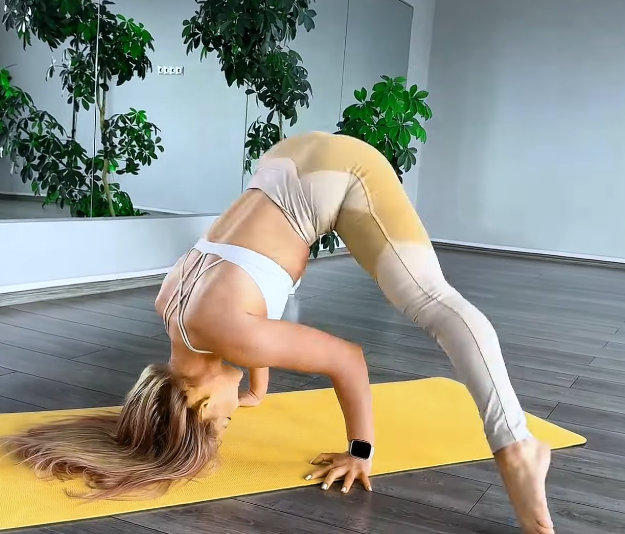
The hips, hamstrings, quadriceps, and calves are often tight from sitting or repetitive movement. Start with a standing forward fold to stretch the hamstrings. Keep a slight bend in your knees if necessary and allow your head and neck to hang naturally. Focus on breathing and releasing tension.
For the quadriceps, stand on one leg and bring the opposite heel toward your glutes, holding your ankle with your hand. Keep your knees close together and engage your core for balance. Repeat on the other side. Hip stretches such as the figure-four or pigeon pose are excellent for releasing tension in the glutes and hip flexors. Cross one ankle over the opposite knee and gently lean forward, keeping your spine long and controlled.
Calf stretches can be done against a wall or with a downward dog position. Press one heel toward the floor while keeping the other leg bent or extended, feeling the stretch along the back of your lower leg. Switch sides and repeat. These stretches improve flexibility and circulation while reducing tightness from daily activity.
Full Body Flow
Once each muscle group has been stretched individually, integrate movements into a gentle, flowing sequence. Move from standing side stretches to forward folds, then to seated spinal twists, hip openers, and hamstring stretches. This flow enhances flexibility, coordination, and relaxation. Linking breath with movement helps the nervous system calm, releasing stress stored in the muscles.
Focus on mindful breathing throughout. Inhale slowly through the nose, feeling the chest and abdomen expand. Exhale through the mouth, allowing tension to melt away. Deep, conscious breaths amplify the benefits of stretching and help relax both body and mind. Even subtle exhalations can signal the nervous system to let go of stress, creating a feeling of lightness and calm.
Cool-Down and Relaxation
End the routine with a gentle cool-down. Lie on your back in a comfortable position, arms relaxed at your sides. Close your eyes and take slow, deep breaths. Allow your body to feel heavy against the mat, releasing any remaining tension. You can also bring knees to chest for a gentle lower back stretch or extend legs overhead for a calming inversion.
Take a few minutes to focus on the sensations in your body, noticing how muscles feel looser, joints feel lubricated, and energy flows more freely. This mindfulness phase integrates the physical benefits of stretching with mental and emotional relaxation.
Why Beginners Benefit from This Routine
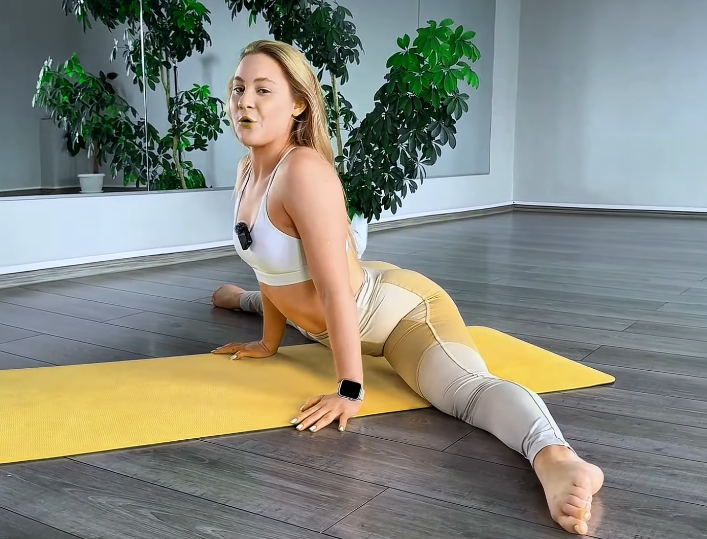
For beginners, this full body stretch is accessible and non-intimidating. Movements are slow, controlled, and easy to follow, while the 4K visuals provide clear guidance for posture and alignment. Beginners often struggle with flexibility or coordination, and this routine emphasizes gradual progress rather than extreme performance. Consistency, not intensity, is the key to building flexibility, strength, and confidence in stretching.
Regular practice improves range of motion, posture, and balance. Over time, it also strengthens the mind-body connection, reducing stress, tension, and anxiety. A 10–20 minute daily stretching routine can make a noticeable difference in energy levels, mood, and overall well-being.
Integrating Stretching into Your Daily Life
Stretching doesn’t need to be reserved for special occasions or long sessions. A short morning or evening stretch can reset the body and mind, improve circulation, and enhance mental clarity. Pairing stretches with mindful breathing, meditation, or gentle music amplifies relaxation and stress relief. As flexibility improves, you can explore longer holds or deeper stretches, creating a dynamic, evolving practice.
Conclusion
This relaxing full body stretch routine for beginners at home is a gentle yet effective way to improve flexibility, reduce tension, and calm the mind. By targeting every major muscle group—neck, shoulders, spine, hips, hamstrings, quadriceps, and calves—this routine ensures a balanced, holistic approach to stretching. The focus on breath, mindfulness, and controlled movements allows beginners to practice safely while achieving maximum benefits.
Whether used to start the day with energy, unwind after work, or enhance overall mobility, this routine nurtures the body, mind, and soul. With consistent practice, you’ll notice improvements in flexibility, posture, and mental clarity, making daily life feel lighter, more focused, and balanced.
Start your day with this calming 4K full body stretch and embrace the feeling of a flexible, energized, and relaxed body. Every breath, every stretch, and every mindful movement brings you closer to a healthier, more harmonious version of yourself.