
Mornings set the tone for the entire day. How you move, breathe, and focus your mind in the first few minutes after waking can influence your energy levels, mood, and productivity for hours to come. A 5 minute morning yoga routine is a simple yet powerful way to wake up your body and calm your mind—without feeling rushed or overwhelmed. Whether you are a complete beginner or moving toward an intermediate level, this short practice can help you feel centered, flexible, and ready to face the day.
One of the biggest advantages of a 5 minute yoga routine is accessibility. Many people believe they do not have time for yoga, especially in the morning. But five minutes is manageable for almost anyone. You do not need special equipment, a large space, or advanced flexibility. Just a small area, comfortable clothing, and a willingness to move with awareness are enough. This routine is designed to gently awaken the body while offering options to deepen poses for those with more experience.
Morning yoga is different from yoga practiced later in the day. After sleep, the body may feel stiff, especially in the spine, hips, shoulders, and hamstrings. A short morning flow focuses on slow, mindful movements that increase circulation and loosen joints without forcing them. The goal is not to sweat or exhaust yourself, but to invite ease and energy into the body.
Before starting, take a moment to set an intention. This could be as simple as “I want to feel awake,” “I want to move with kindness,” or “I want to start my day calmly.” Intention helps shift your focus from autopilot mode to mindful presence. Even beginners can benefit greatly from this mental pause, as it creates a deeper connection between body and mind.

Begin your 5 minute morning yoga routine in a comfortable standing or seated position. Start by focusing on your breath. Take slow, deep inhales through the nose and gentle exhales through the mouth or nose. Morning breathing helps activate the nervous system in a balanced way, preparing you for movement. Beginners may find it helpful to place one hand on the chest and one on the belly to feel the breath moving through the body.
As you begin to move, gentle spinal motions are ideal for waking up the body. Simple stretches that lengthen the spine help release stiffness built up during sleep. Move slowly, coordinating each movement with your breath. This not only protects the joints but also builds body awareness, which is essential as you progress from beginner to intermediate yoga.
A well-designed 5 minute routine often includes movements that target the entire body. Even in a short time, you can stretch the back, hips, legs, shoulders, and neck while activating the core. The key is smooth transitions rather than holding poses for a long time. Flowing gently from one movement to the next keeps the body warm and the mind engaged.
For beginners, stability and comfort are priorities. Modify poses as needed, bending the knees or shortening movements. For intermediate practitioners, this same routine can become more dynamic by adding deeper stretches, stronger engagement, or slower, more controlled transitions. The beauty of yoga is that the same sequence can serve different levels simply by adjusting awareness and intensity.
Morning yoga is also an excellent way to improve posture. Many people spend the day sitting at desks or looking down at screens. A short routine that opens the chest, lengthens the spine, and engages the core can counteract these habits. Over time, this can reduce neck and shoulder tension and help you stand and sit more confidently throughout the day.
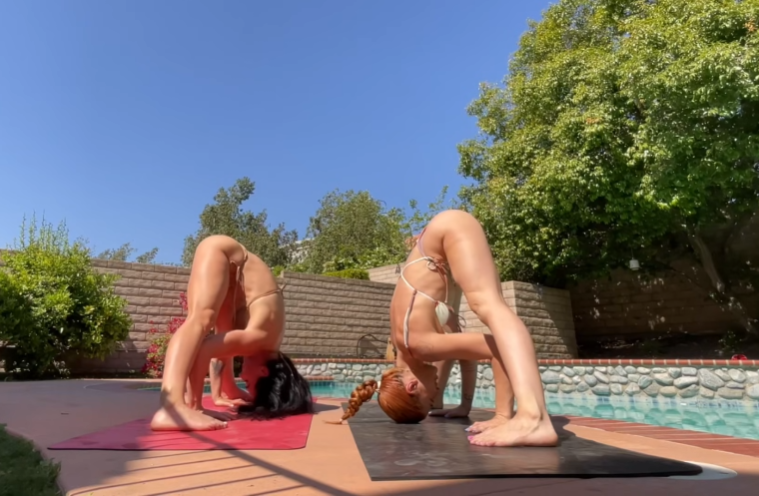
Another important benefit of a morning yoga routine is mental clarity. Yoga combines movement with breath and focus, which helps quiet mental noise. Even five minutes can create a sense of calm alertness, making it easier to concentrate and make thoughtful decisions. For beginners especially, this mental benefit often becomes one of the main reasons to continue practicing yoga.
As your body warms up, gentle standing poses can help build strength and balance. These movements activate large muscle groups, boost circulation, and improve coordination. Beginners should focus on alignment and steady breathing, while intermediate practitioners can explore deeper engagement and smoother transitions. Remember, balance is not about being perfectly still—it is about staying present, even when the body wobbles.
A short morning routine should never feel rushed. Even though it is only five minutes, move at a pace that feels natural. If you need to slow down or pause, that is perfectly fine. Yoga teaches us to listen to the body rather than push it. This mindset is especially important in the morning, when the body is just waking up.
Breath remains central throughout the routine. Each inhale can be used to lengthen or lift, while each exhale helps soften and release tension. This breath-movement connection is what transforms simple stretching into yoga. Beginners may focus on steady breathing, while intermediate practitioners can explore deeper, more controlled breath patterns.
Toward the end of the 5 minute routine, gentle stretches help release any remaining stiffness. These movements encourage relaxation while maintaining awareness. Ending with a brief moment of stillness allows the body and mind to absorb the benefits of the practice. Even a few deep breaths in a comfortable position can make a noticeable difference in how you feel.
Consistency is more important than duration when it comes to yoga. Practicing for five minutes every morning is often more effective than doing a long session once a week. Over time, this daily habit can improve flexibility, strength, and mental resilience. Beginners often gain confidence quickly, while intermediate practitioners maintain mobility and balance through regular short practices.

This routine can be adapted to suit your needs. On days when you feel tired, keep movements gentle and slow. On days when you have more energy, add depth and strength. Yoga meets you where you are, and this adaptability is what makes it such a sustainable practice.
A 5 minute morning yoga routine is also a powerful act of self-care. In a busy world, taking even a few minutes for yourself sends a message that your well-being matters. This small ritual can create a positive ripple effect, influencing how you interact with others and handle challenges throughout the day.
You do not need to be flexible, strong, or experienced to begin. Yoga is a practice of showing up, breathing, and moving with awareness. Whether you are a beginner just learning the basics or an intermediate practitioner refining your flow, this short morning routine can support your physical and mental health.
In conclusion, a 5 Minute Morning Yoga Routine for beginner to intermediate levels is a simple yet transformative way to start the day. It gently awakens the body, clears the mind, and builds a foundation of strength, flexibility, and calm. With just five minutes each morning, you can create a habit that supports long-term well-being, reminding yourself every day that small, mindful actions can lead to meaningful change.