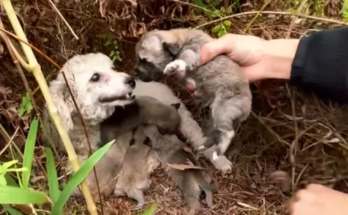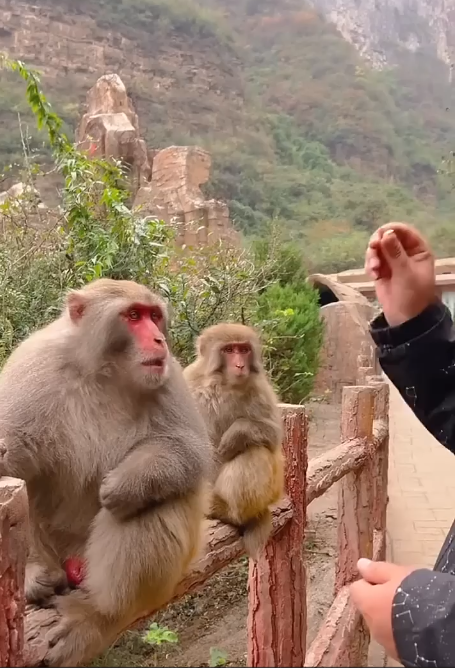
In a lively jungle where every tree seemed taller than the last and every vine was a potential playground, a mischievous little monkey named Kiko had become the star of the troop. Kiko was not the strongest monkey, nor the fastest, but his personality made him unforgettable. Full of curiosity, energy, and an uncanny sense of mischief, he had a way of making even the most serious monkeys laugh. Among the troop, his favorite game—or perhaps his favorite trick—was what the humans who sometimes visited the jungle jokingly called “Touch You, Touch Me.”
The name came from Kiko’s habit of getting close to anyone nearby, lightly touching them with his tiny hands, squeaking in delight, and darting away—always keeping just enough distance to avoid any retaliation. It was harmless, playful, and slightly annoying to anyone who was trying to eat, groom, or rest. But there was one thing humans quickly noticed: Kiko had an unspoken rule. He never gave food.
It all started one sunny morning. The jungle was alive with the sounds of birds, rustling leaves, and the soft chatter of the troop waking up. Kiko bounced from branch to branch, squealing with excitement at the new day. His tiny eyes scanned the forest floor for snacks, but also for potential “victims” of his playful antics. And today, his eyes locked onto a human observer who had quietly set up a small snack of fruits near a tree.
Kiko crept closer, his movements precise and careful, yet full of energy. He jumped onto a low branch, squeaked a greeting, and reached out his tiny hand to touch the human’s arm. The observer chuckled softly and gently patted Kiko on the head. But Kiko wasn’t satisfied with just a pat. He wanted interaction—and he wanted it on his terms. With a playful squeak, he tapped the observer’s hand, then darted away to a nearby branch, watching for any reaction.
The pattern was clear: Kiko wanted attention, touch, and engagement—but food? Absolutely not. Every time a piece of fruit was offered, Kiko would snatch it from the branch with lightning speed, inspect it briefly, and then toss it aside, squeaking as if to say, “Nice try, but I don’t give food for free!”
This behavior quickly became legendary among the humans who came to observe the monkeys. They laughed uncontrollably as Kiko repeatedly “touched” them, danced around in the trees, and refused to accept their snacks. It was as if he had created his own game—a playful interaction that had nothing to do with reward and everything to do with fun.
The troop, of course, noticed. Younger monkeys watched in awe as Kiko approached humans, teasing them with his light touches, and then retreated just out of reach. Older monkeys shook their heads, muttering softly, but even they could not help laughing at the tiny monkey’s audacity. Kiko’s charm lay not in strength or speed, but in his cleverness and the sheer joy he exuded.
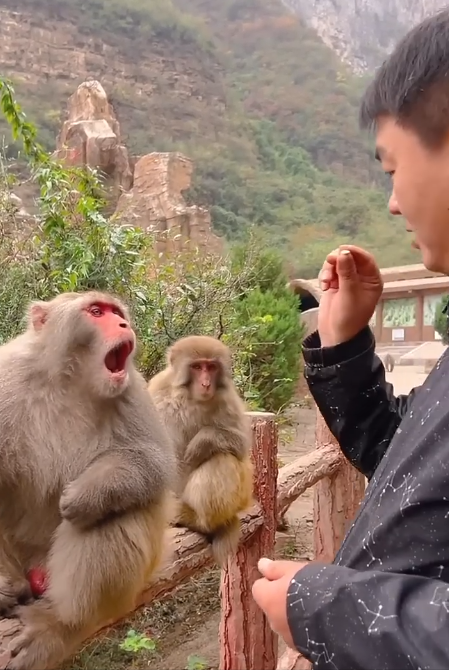
Later that day, Kiko found himself near a small waterfall where the humans had spread some fruits to feed the monkeys. Instead of taking a piece for himself, Kiko decided it was the perfect opportunity for a new round of “Touch You, Touch Me.” He leapt onto a branch above the humans, squeaking as he lightly tapped one’s shoulder, then the hand, then the arm, always darting away before anyone could grab him.
One of the visitors, a young woman with a camera, tried to capture Kiko’s antics on video. But Kiko had other ideas. He leapt down, landed softly on the ground, and gently grabbed the edge of her sleeve, giving it a playful tug before springing away again. “Haha! This monkey likes ‘touch you, touch me,’ without giving me food!” she laughed, realizing that Kiko’s behavior was deliberate. He wanted engagement, laughter, and attention—but he wasn’t motivated by food at all.
Kiko’s antics became even more entertaining when he discovered a small pile of fruit on the forest floor. Instead of eating them, he carefully rearranged the pieces, making patterns, stacking some, and tossing others into the air. Each movement was playful, almost artistic, as if he were performing a show for the humans. Then, with a gleeful squeak, he darted toward a nearby visitor, touched their hand lightly, and ran back to his fruit “sculpture,” repeating the process over and over. The humans were in stitches, trying to anticipate where he would touch next and laughing at his refusal to accept any food.
As the day continued, Kiko’s reputation grew. He wasn’t just another baby monkey—he was the prankster, the entertainer, and the “touching monkey” of the troop. Younger monkeys began copying his actions, approaching humans cautiously, testing the boundaries of playful interaction. But none could match Kiko’s energy, timing, or cleverness. He had mastered the art of teasing without ever giving up his autonomy, proving that not every interaction needed a reward.
Kiko’s “touch you, touch me” antics also taught a subtle lesson to the humans. In a world where every action often seemed transactional, Kiko reminded them that play could exist for its own sake. The joy of touch, laughter, and engagement didn’t need to come with a reward—it could be its own reward. Kiko’s antics were a pure, unfiltered form of connection, playful and spontaneous, free from expectations or obligations.
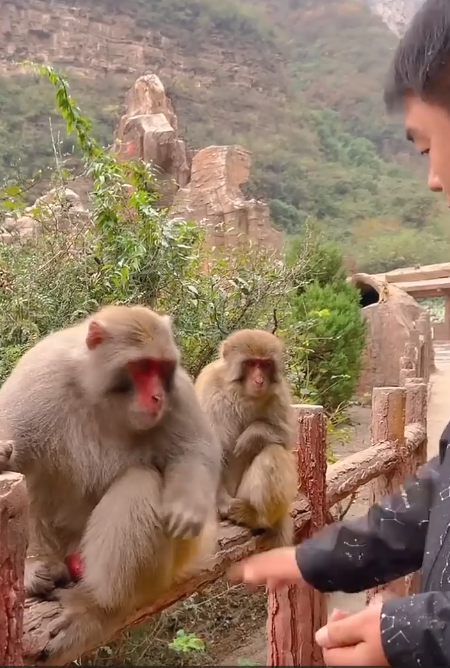
By evening, the humans had begun to leave, still laughing and sharing stories of the tiny monkey who refused to be bribed with food. Kiko, tired but still full of energy, leapt from branch to branch, squeaking at the fading sunlight, as if to say, “I’m still here! I’m still fun! And I don’t need your food!”
The troop gathered around for the night, settling in the trees. Kiko nestled close to his mother, his tiny hands reaching for her as if to say, “Thanks for letting me be me.” Lila, wise and patient, groomed him gently, recognizing the spark of personality that made Kiko so unforgettable. His playful interactions, mischievous antics, and refusal to be bought with food were all part of growing up in the jungle—learning social cues, engaging with others, and discovering joy in connection.
Even after the humans left, Kiko’s antics continued to ripple through the troop. Younger monkeys would squeak excitedly, recounting the day’s events, while older monkeys shook their heads, smiling and muttering about the “little entertainer.” Kiko had created a legend—a tale of a monkey who played for fun, touched for joy, and refused to exchange affection for food.
And so, in the heart of the jungle, the story of Kiko the mischievous monkey lived on. Every morning, he would wake with energy, bouncing through the trees, ready to play “Touch You, Touch Me” with anyone nearby. His antics brought laughter, joy, and unforgettable memories, reminding both monkeys and humans alike that sometimes, the purest form of fun comes without strings attached.
Kiko’s charm was simple but profound: he reminded everyone that connection, play, and joy can exist for their own sake. And as the troop settled under the starry night sky, Kiko curled up beside his mother, tiny fingers clasped around her fur, dreaming of tomorrow’s playful adventures, ready to touch, tease, and b