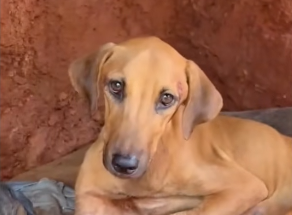
It started with a photo on a screen. Not a perfect photo—no polished background, no carefully posed smile. Just a blurry image of a dog sitting in the corner of a shelter kennel, eyes too big for his thin face, ears unsure whether to stand or fall. Underneath the photo were a few simple words: Needs rescue. Time is running out.
We scrolled past it at first.
Then we scrolled back.
There was something about him that refused to let go. Maybe it was the way he leaned slightly to one side, like he didn’t quite trust the floor beneath him. Maybe it was the quiet look in his eyes—not begging, not dramatic, just waiting. We stared at the photo longer than we meant to. And somewhere between logic and instinct, the decision was made.
“We can’t just leave him there,” one of us said.
The shelter was sixteen hours away.
We had never met the dog. We didn’t know his bark, his habits, his fears, or whether he would even like us. We only knew that if we didn’t go, he might not make it out at all. That knowledge settled heavy in our chests.
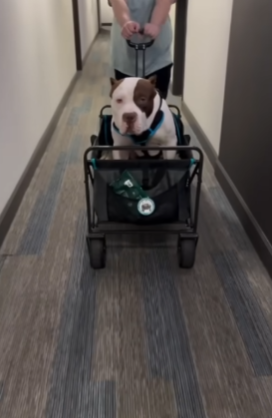
So we packed the car.
Blankets. Water bowls. A bag of food we hoped he could eat. A leash that felt oddly symbolic—like a promise we weren’t sure we could keep. We left before dawn, the world still dark and quiet, the road stretching endlessly ahead.
The first few hours passed in silence, broken only by the hum of the tires and the occasional glance at the photo pulled up again on the phone. He looked different each time we saw him—sometimes fragile, sometimes strong, sometimes impossibly far away.
“Do you think he’ll trust us?” someone asked.
“I don’t know,” came the honest answer. “But we’ll try.”
As the sun rose, doubts crept in. What if he was aggressive? What if he was sicker than we were told? What if he didn’t survive the trip back? Sixteen hours is a long time to question yourself. Every mile gave space for fear to grow.
But turning back was never really an option.
We drove through changing landscapes—flat roads turning into hills, cities fading into open fields. Gas station stops became moments of reflection. Each time we got back into the car, the reality settled deeper: we were really doing this. For a dog who didn’t know we existed.
By the time we crossed into the final stretch, exhaustion set in. Coffee cups piled up. Muscles ached. But the closer we got, the quieter we became. Anticipation replaced conversation. The shelter was no longer just a location—it was a doorway.
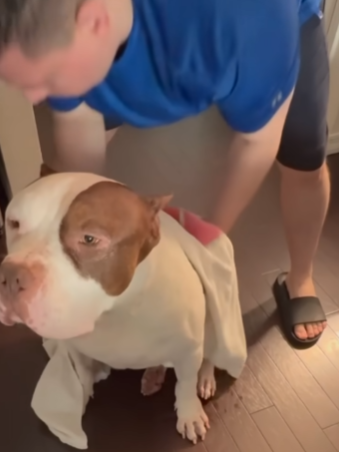
When we finally arrived, the building was smaller than we expected. Tired. Functional. A place doing its best with what it had. The air smelled of disinfectant and barking dogs. Our hearts pounded as we spoke his name to the front desk.
“He’s still here,” the staff member said.
Relief washed over us so suddenly it felt unreal.
We were led down a hallway lined with kennels. Dogs jumped, barked, pressed their faces against the bars. But then we saw him.
He was smaller than the photo suggested. Thinner. His fur was rough, his body tense. He stood at the back of the kennel, watching us with cautious eyes. Not fearful—but not hopeful either. As if he had learned that expecting too much only led to disappointment.
We knelt down slowly.
“Hey,” we whispered, unsure of what else to say.
He took a step forward. Then another. His tail didn’t wag, but it didn’t tuck either. He sniffed the air, head tilted, trying to understand who we were and why we were there. When our fingers touched the kennel door, he flinched—then leaned closer.
That was it.
That was the moment.
Sixteen hours collapsed into a single breath.
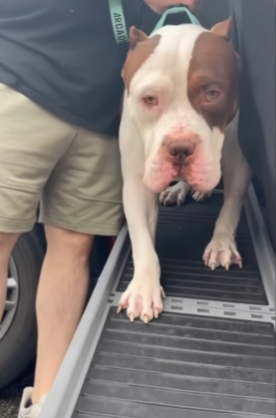
The paperwork felt endless, but we didn’t care. When the leash was finally clipped on, our hands trembled. He walked beside us out of the shelter, hesitant but willing. When the door opened and sunlight hit his face, he stopped, blinking, as if the world had suddenly expanded beyond anything he imagined.
The car ride back was quieter.
He curled up on the blanket in the back seat, eyes heavy, body finally relaxing. Every so often, he’d lift his head and look at us, as if making sure this wasn’t temporary. Each time, we met his gaze.
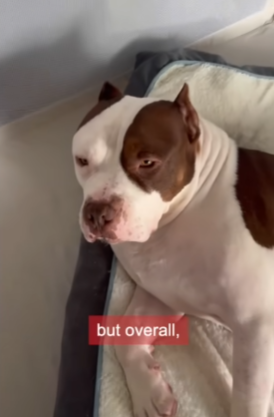
“Yes,” we wanted to tell him. “This is real.”
We stopped often—water breaks, gentle reassurance, whispered encouragement. Somewhere around hour ten, he rested his head against the seat and slept deeply, completely. Trust like that doesn’t come easily. It’s earned, minute by minute.
When we finally pulled into our driveway, it was night again. The same darkness we had left in—but everything felt different now. He stepped out of the car slowly, sniffing the unfamiliar ground, tail wagging just a little.
Inside, he explored carefully. Every corner was inspected. Every sound evaluated. Then, as if he’d reached his limit, he curled up on the floor and sighed—a deep, full sigh that sounded like relief.
That night, we sat beside him, too tired to move, too grateful to sleep.
People later asked us why we drove sixteen hours for a dog we’d never met.
The answer was simple.
Because sometimes love arrives before introductions.
Because sometimes a life depends on a single decision.
Because when you look back, the miles don’t matter.
All that matters is that he’s here.
And he’s home.