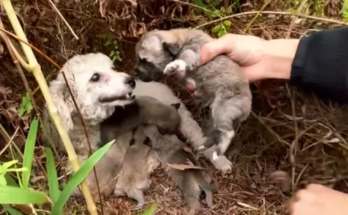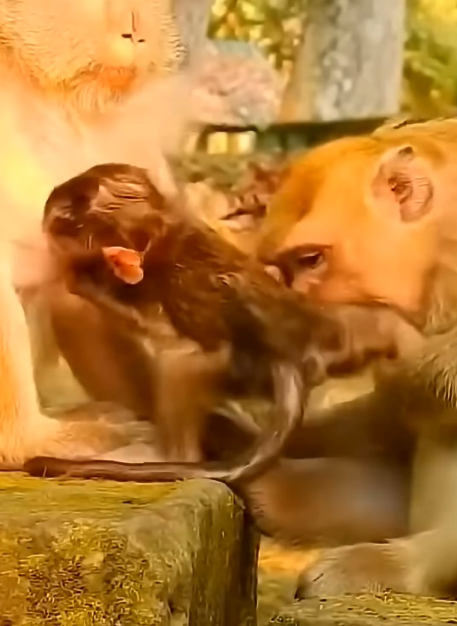
In the lush forests and jungles where monkeys thrive, life is a delicate balance of play, learning, and survival. Among these intelligent and social creatures, one of the most captivating aspects is the relationship between a mother monkey and her baby. The maternal bond is central to the baby’s survival, growth, and emotional development. This bond is often tested when a baby monkey is disturbed—whether by an older sibling, a curious peer, an intruder, or environmental stressors. How a mother monkey reacts in such situations reveals not only her protective instincts but also her intelligence, patience, and the depth of her emotional connection with her young.
The Maternal Bond in Monkeys
Mother monkeys are devoted caregivers. Unlike some other animals that may abandon or neglect their young under stress, monkeys exhibit profound parental care. From birth, the infant monkey is almost entirely dependent on its mother. She provides warmth, nutrition, protection, and social learning opportunities. The baby clings to her fur, rides on her back, and follows her every movement, creating a relationship that is both physical and emotional.
The importance of this bond cannot be overstated. A baby monkey’s survival in the wild depends heavily on the mother’s vigilance. Predators, accidents, and conflicts within the troop all pose risks. Disturbances—whether minor or significant—can trigger immediate reactions from the mother, ranging from gentle comfort to aggressive defense. Observing these reactions offers a fascinating window into the intelligence and emotional depth of these animals.
Typical Disturbances and the Mother’s Response
Baby monkeys are naturally curious and playful. Their exploratory behavior sometimes puts them in situations that require maternal intervention. Disturbances may include:
- Other monkeys: Older juveniles or peers may attempt to grab toys, food, or even playfully roughhouse with the baby.
- Predators or threats: Birds of prey, snakes, or larger mammals may approach.
- Human presence: Tourists, researchers, or villagers might inadvertently get too close.
- Environmental hazards: Sudden noises, falling branches, or changes in weather can startle the infant.
In each scenario, the mother’s reaction is a mix of vigilance, physical intervention, and teaching. She must balance protection with allowing the baby to explore and learn.
Protective Actions
When a baby monkey is disturbed, the mother often responds first by positioning herself between the threat and her infant. This can involve holding the baby close to her chest, shielding it with her body, or using her limbs to block access. In more aggressive situations, the mother may vocalize loudly—through shrieks, barks, or alarm calls—to warn the intruder or alert the troop. These vocalizations serve as a powerful deterrent and demonstrate her determination to defend her young.
Physical actions can also escalate. If an older monkey or predator attempts to harm or intimidate the baby, the mother may lash out with swift strikes, bites, or grappling maneuvers. Observations in the wild show that mother monkeys rarely hesitate when their infant’s safety is at risk. Their reactions are precise, coordinated, and often successful in neutralizing threats.
Comforting and Reassuring
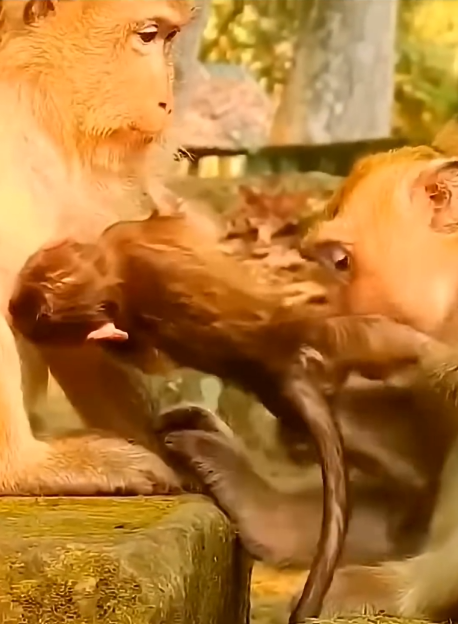
Not all disturbances involve immediate danger. Sometimes, a baby monkey is startled or distressed by minor events. In these cases, the mother’s response focuses on comfort and reassurance. She might groom the infant, stroke its fur, or softly vocalize to calm it. The act of grooming is not just hygiene; it strengthens emotional bonds, reduces stress, and restores a sense of safety.
Interestingly, researchers have noted that baby monkeys often calm down significantly faster when their mother is present. Even the simple proximity of the mother reduces anxiety levels in the infant. This demonstrates that the maternal role is as much emotional as it is physical—providing security through presence, touch, and vocal cues.
Observing Motherly Reactions Across Species
Different monkey species display variations in maternal responses based on their social structures, intelligence, and environmental conditions.
Rhesus Macaques
Rhesus macaque mothers are known for their strict vigilance. When a baby macaque is disturbed by a peer, the mother often immediately intervenes, scolding the intruder and ensuring her infant is safe. If the disturbance is mild, she may simply reposition her baby on her lap or chest, but she will not hesitate to escalate if the threat continues. This combination of patience and assertiveness helps the baby learn boundaries while remaining protected.
Capuchin Monkeys
Capuchins, renowned for their intelligence and problem-solving skills, exhibit a more interactive approach. When their babies are disturbed, mothers may use both physical intervention and communication through gestures. For example, a mother might pull the infant toward her while making specific facial expressions or vocal sounds to signal disapproval. These subtle cues teach the young one social norms and how to respond to minor disturbances, preparing them for the complexities of troop life.
Langurs
Langur mothers demonstrate remarkable emotional sensitivity. When a baby langur is upset, the mother may rock it gently, hug it tightly, or carry it on her back until the infant calms down. These behaviors are often accompanied by soothing vocalizations. Langur mothers also exhibit strategic thinking; for instance, if a threat seems persistent, the mother may move to a safer branch or area, taking the infant along. This shows an ability to anticipate danger and protect her baby preemptively.
Social Learning Through Disturbances
Interestingly, disturbances provide critical learning opportunities for baby monkeys. While protection is essential, mothers also allow controlled exposure to challenges so the infant can develop social and survival skills. By observing how the mother reacts to disturbances, the baby learns how to assess risk, respond to aggression, and interact with others safely.
For instance, if an older sibling takes the infant’s toy, the mother may intervene briefly and then allow the interaction to continue under supervision. The baby observes how to defend personal space, negotiate with peers, and recognize appropriate limits. In this way, disturbances become teaching moments, turning stressful situations into valuable life lessons.
Emotional Intelligence of Mother Monkeys
Mother monkeys exhibit a level of emotional intelligence that is truly remarkable. They can read their baby’s cues—distress calls, body language, facial expressions—and respond appropriately. This responsiveness is not purely instinctual; it often involves assessment and decision-making.
For example, if a baby is crying from hunger rather than fear, the mother may feed it rather than move it from a threat. If the disturbance is minor, she may choose a soothing approach instead of aggression. This flexibility in response highlights the depth of maternal intelligence and emotional sophistication in monkeys. Observing these behaviors allows humans to appreciate the complexity of animal emotions and the similarities between primate and human parenting.
Stress Relief Through Observation
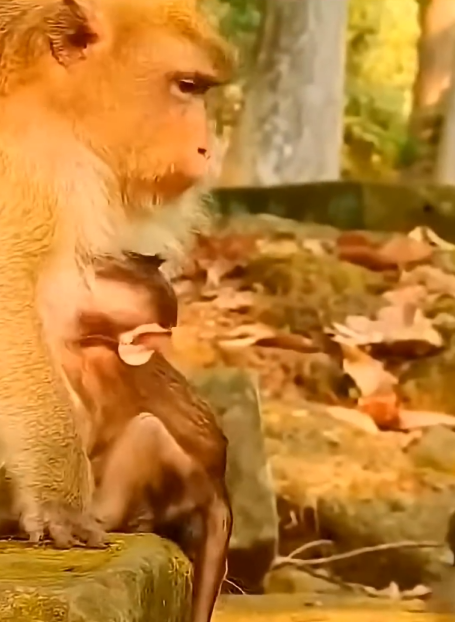
Watching mother monkeys respond to disturbances in their babies is more than an educational experience—it can also be deeply relaxing and stress-relieving for humans. The scenes often combine tension with resolution, allowing observers to experience empathy and relief in a safe context. Humans can find comfort in seeing the mother’s protective instincts succeed, the baby’s distress ease, and the return to calm within the troop.
Videos or live observation of these interactions provide a form of natural therapy. The rhythmic movements, gentle grooming, and reassuring vocalizations of the mother can reduce cortisol levels and promote relaxation. Furthermore, the humor often present in baby monkeys’ reactions—stumbling, squealing, or attempting to assert themselves—adds joy to the experience, reinforcing the emotional benefits.
Environmental Factors Affecting Maternal Reactions
The environment plays a significant role in how mother monkeys respond to disturbances. In dense forests, where threats are common, mothers may be more alert and proactive. In open areas, visibility allows for better monitoring of potential risks, which can change the mother’s approach. Availability of food, troop size, and social dynamics also influence maternal behavior.
For instance, in a large troop with multiple protective adults, a mother may rely on others to help respond to threats. In smaller groups or isolated situations, the mother takes full responsibility, often exhibiting heightened vigilance and rapid responses. Observing these variations provides insights into how environment and social structure shape maternal care and protection strategies.
The Universal Appeal of Mother-Baby Interactions
There is something universally captivating about seeing a mother protect and comfort her baby, regardless of species. In monkeys, this bond is particularly vivid due to their social nature, expressive behavior, and intelligence. Humans can relate to the emotions on display—fear, love, patience, frustration, and joy—creating a sense of connection that transcends species boundaries.
Such observations remind us of the importance of nurturing, protection, and teaching in all relationships. They reinforce the value of empathy and emotional intelligence, not only in parenting but in broader human interactions. Watching mother monkeys respond to disturbances teaches patience, courage, and the importance of balancing care with independence—a lesson for both the young monkeys and the humans observing them.
Conclusion
The life of monkeys is filled with moments of curiosity, play, learning, and danger. At the heart of this dynamic is the bond between mother and baby. When a baby monkey is disturbed, the mother’s reaction is immediate, intelligent, and multifaceted. From protective positioning and vocal warnings to comforting gestures and teaching opportunities, the mother’s behavior ensures the infant’s safety while fostering growth and learning.
Observing these interactions provides humans with more than entertainment. It offers a lens into the emotional intelligence, resilience, and social complexity of our primate relatives. It also provides relaxation and stress relief, as we witness the universal themes of care, protection, and love in a context far removed from our daily worries.
In the end, the mother monkey’s vigilance and tenderness, paired with the baby’s curiosity and vulnerability, create a story of survival, learning, and affection. This delicate dance between protection and independence reflects the intricate beauty of life in the animal kingdom—a beauty that captivates, teaches, and soothes all who take the time to watch.