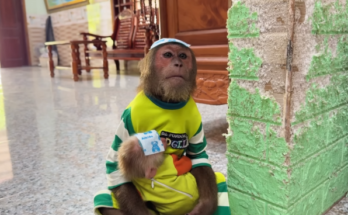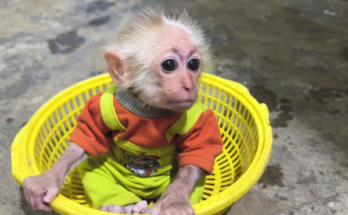
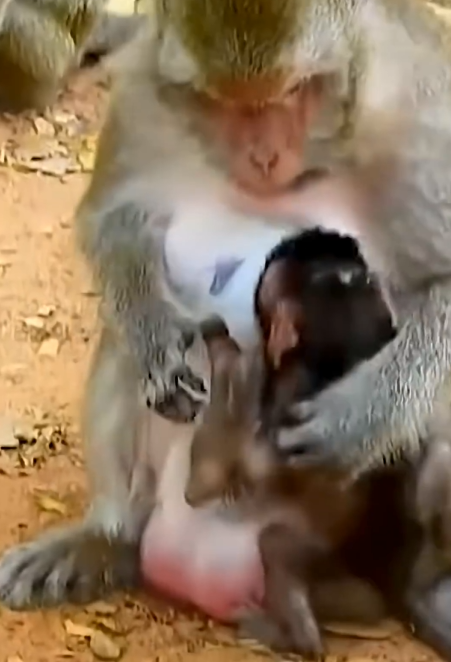
In the animal kingdom, few things tug at the heartstrings as much as the relationship between a mother and her baby. Among primates, this bond is especially profound. The process of weaning—transitioning a baby monkey from its mother’s milk to solid food—is far more than a simple nutritional change. It is a complex, emotional, and sometimes tumultuous journey, both for the baby and the mother. Understanding this process provides insight not only into monkey behavior but also into the delicate dynamics of maternal care and the challenges of early life in the wild.
The Importance of Weaning in Monkey Development
Weaning is a critical stage in a monkey’s life. While nursing provides more than just nutrition—it also delivers antibodies, warmth, and emotional security—there comes a time when the baby must begin to develop independence. The timing of weaning varies across species. For instance, rhesus macaques typically begin weaning at around six to nine months, while larger monkeys, such as baboons, may nurse for up to a year or more.
This stage is crucial for several reasons. Nutritionally, solid food provides the necessary calories and minerals that milk alone can no longer supply as the baby grows. Behaviorally, weaning encourages the young monkey to explore its environment, learn foraging skills, and interact socially with peers. Emotionally, it also tests the strength of the mother-infant bond, as the baby adjusts to a new level of independence.
Challenges for Baby Monkeys
From the perspective of a baby monkey, weaning is anything but easy. Imagine the sudden shift from a warm, comforting source of nourishment to the uncertainty of foraging for food. Baby monkeys often struggle to adjust to new textures and tastes. Some may refuse to eat solid food at first, clinging desperately to their mother’s milk. This resistance can create stress and even temporary malnutrition if not managed naturally within the troop.
Behavioral challenges are also significant. During weaning, babies may display tantrums, clinginess, or even aggression. In some species, the mother may gently push the baby away to encourage independence, which can cause the baby to become vocal or seek comfort from other troop members. These moments highlight the emotional depth of primates, showing that weaning is as much about social and psychological development as it is about nutrition.
Challenges for Mother Monkeys

Weaning is not just difficult for the baby; it is also a strenuous process for the mother. Lactation is energy-intensive. Providing milk requires a significant caloric investment, often consuming up to 20% of a mother’s daily energy intake. As her baby grows, the demands increase, and mothers must balance their own nutritional needs with those of their young.
Mothers also face emotional and social challenges. Some babies are reluctant to wean, and persistent nursing attempts can be exhausting. Moreover, in species where group dynamics are critical, mothers must also manage the expectations of the troop. Overly attached babies can attract attention or even aggression from other monkeys. Mothers must find the delicate balance between nurturing and encouraging independence—a task that is rarely straightforward.
Weaning Methods Across Different Monkey Species
Interestingly, weaning behaviors vary widely among different species of monkeys, reflecting adaptations to ecological and social pressures.
- Rhesus Macaques: In this species, mothers gradually reduce nursing frequency while encouraging the infant to eat solid foods. The process is slow and often accompanied by mild resistance from the infant. Mothers may also allow older siblings or other group members to help in social learning, teaching the baby how to forage.
- Capuchin Monkeys: Capuchins have complex social structures, and weaning is influenced by both mother and troop hierarchy. Babies are often introduced to solid food through observation, as capuchins are highly intelligent and learn by imitation. Mothers may initially share small pieces of food, gradually reducing milk supply.
- Baboon Species: In baboons, weaning is sometimes abrupt, particularly if environmental pressures require the mother to return to foraging or mating. Baboons are known for their assertive weaning strategies, which can include gently pushing the baby away or vocal signaling to indicate that it is time to eat solid food.
- Howler Monkeys: These primates, famous for their loud vocalizations, tend to wean slowly. Mothers continue to provide comfort and milk for extended periods while babies gradually explore leaves, fruits, and insects. This extended period of care ensures higher survival rates for young in dense forest environments.
Signs That a Baby Monkey Is Ready for Weaning
Successful weaning begins with careful observation. Mothers instinctively understand when their infants are ready, but in natural settings, several signs indicate readiness:
- Increased Curiosity: Babies show interest in what adults are eating, trying to mimic feeding behaviors.
- Independent Mobility: Babies that can move around safely and manipulate objects are better prepared to handle solid foods.
- Decreased Nursing Frequency: Infants may begin self-regulating their milk intake, signaling growing independence.
- Social Learning: Observing peers or older siblings feeding is a strong indicator that the baby is ready to transition.
These signs are critical because premature weaning can lead to stress, malnutrition, and social difficulties, while delayed weaning may place undue strain on the mother.
Emotional and Social Implications
Weaning is not merely a biological milestone; it has profound emotional and social consequences. Baby monkeys learn resilience, patience, and social cues during this period. For instance, in some species, babies who struggle with weaning may receive support from aunts, grandmothers, or siblings. This extended care network is vital for social integration and survival.
For mothers, successfully weaning a baby reinforces their role within the troop and ensures their ability to reproduce again. Mothers must gauge not only the physical readiness of the baby but also its emotional adaptability. This intricate balance highlights the intelligence and sensitivity of primates, showing parallels with human maternal care.
The Role of Diet Transition
Weaning involves more than stopping milk; it requires a complete dietary shift. Baby monkeys need to learn which foods are safe, how to process them, and how to store or carry them if necessary.
- Fruits and Vegetables: These provide essential vitamins and minerals. Mothers often introduce these gradually, allowing the baby to taste and develop preferences.
- Leaves and Vegetation: For species like howler monkeys, learning to eat leaves is essential, as they form the bulk of the adult diet.
- Proteins and Insects: Insects, small birds, or eggs provide critical protein. Some babies need guidance to hunt or forage effectively.
This gradual exposure is crucial. Sudden dietary changes can lead to digestive issues or nutrient deficiencies. Mothers play a hands-on role, sometimes offering small bites, demonstrating foraging techniques, or observing from nearby to ensure safety.
Human Observations and Conservation Implications
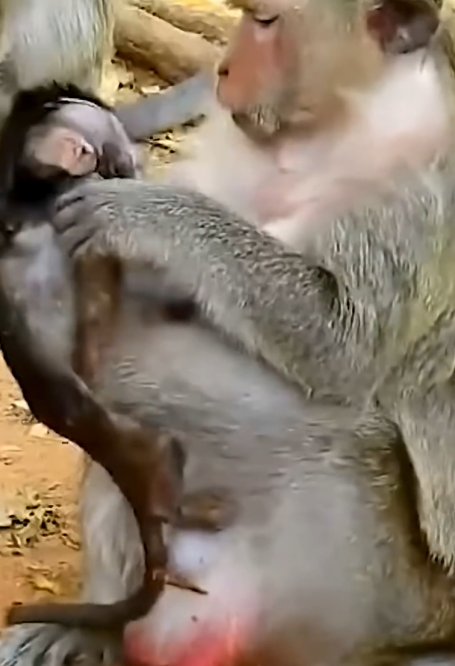
Studying weaning in monkeys offers valuable insights for both behavioral science and conservation. Understanding natural weaning patterns can help improve care for orphaned or captive monkeys. Wildlife sanctuaries, for example, often replicate maternal behaviors to ensure babies transition smoothly from milk to solid food. This careful approach reduces stress and improves survival rates.
Furthermore, conservationists studying wild populations can use weaning patterns to assess troop health and reproductive success. A high rate of premature weaning, for example, may indicate food scarcity or social stress within a troop. Conversely, successful extended weaning suggests a stable environment and effective maternal strategies.
Anecdotes from the Wild
Field observations provide vivid examples of the challenges involved. In one troop of capuchin monkeys, researchers noted a baby named Tiko who resisted solid food for weeks. The mother patiently offered fruit and insects while gently discouraging nursing. Tiko’s tantrums, including loud cries and clinginess, were met with patient nudges and vocal reassurance. Eventually, Tiko learned to forage independently, highlighting the gradual but critical nature of weaning.
In another example, a troop of baboons in East Africa displayed a more abrupt approach. Mothers would push their babies away during nursing attempts, sometimes causing temporary distress. However, these strict weaning strategies prepared the babies for the harsh realities of the savannah, where quick adaptation is essential for survival.
Challenges in Captivity
Weaning in captivity presents a different set of challenges. Baby monkeys often lack the social learning opportunities available in the wild. Caretakers must mimic maternal behaviors to guide the transition. Improper weaning can lead to psychological issues, such as separation anxiety or aggression, highlighting the importance of understanding species-specific behaviors.
Captive diets must also be carefully managed. Unlike the wild, where babies can sample a variety of foods, captivity requires deliberate planning to ensure a balanced diet. Introducing foods gradually and monitoring acceptance is critical for successful weaning.
Conclusion
Weaning baby monkeys is far from an easy task. It is a process steeped in biology, emotion, and social complexity. From the baby’s perspective, it is a journey toward independence and self-sufficiency. From the mother’s perspective, it is a balancing act of nutrition, care, and social navigation. Across species, the strategies and challenges vary, but the underlying themes remain consistent: patience, guidance, and gradual adaptation.
Observing this process in the wild or in captivity reminds us of the incredible intelligence and emotional depth of primates. It underscores the importance of maternal care, social learning, and environmental stability in shaping the early lives of monkeys. Ultimately, the process of weaning is a testament to resilience—both for the baby striving to grow and for the mother striving to nurture. It is a poignant reminder that, even in the animal kingdom, growing up is never truly easy.
In the end, when a baby monkey finally takes its first independent bite of food, the struggle, the tears, and the tantrums all give way to a quiet triumph. The baby has learned to navigate its world, and the mother has fulfilled her role with patience, wisdom, and love. Weaning, in all its complexity, is one of the purest demonstrations of the challenges and beauty of life in the wild.