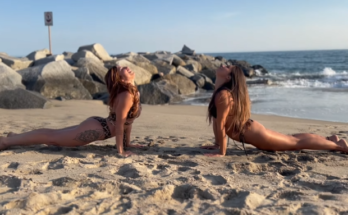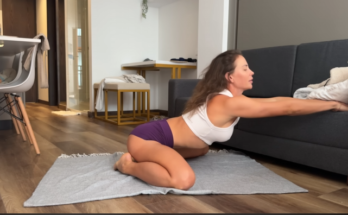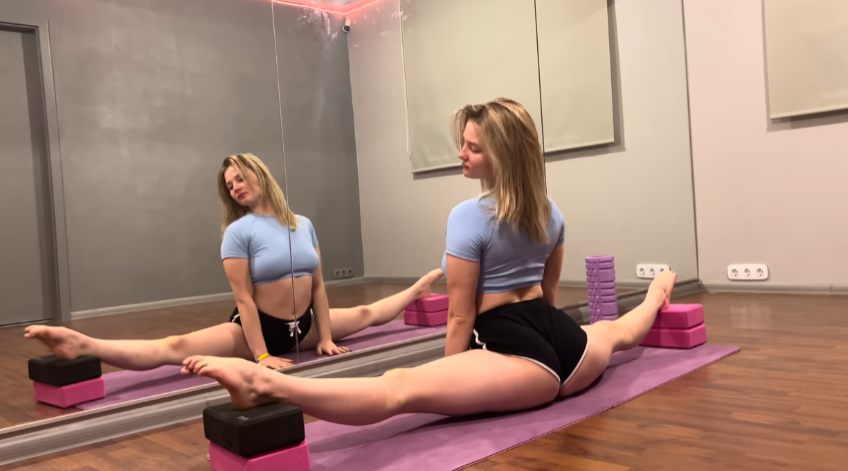
Stretching is more than a physical activity—it is a practice of awareness, patience, and connection with the body. When combined with yoga and contortion techniques, stretching becomes an art form that not only improves flexibility but strengthens stability, balance, and focus. The Half Moon Pose, or Ardha Chandrasana, is one of the most transformative poses for the legs, hips, and overall balance. In this guide, we explore a full 1500-word routine focusing on leg stretches, yoga, and contortion-inspired movements, highlighting the Half Moon Pose as the cornerstone of practice.
Introduction: Why Stretching Matters
Many people underestimate the importance of leg stretching in workouts and yoga. Strong, flexible legs are the foundation for nearly all athletic movements, from running and jumping to gymnastics and dance. Tight hamstrings, calves, and hip flexors can limit mobility, increase the risk of injury, and reduce overall performance.
By combining yoga, contortion principles, and mindful stretching, this practice focuses not only on flexibility but also on control, alignment, and stability. The Half Moon Pose is ideal because it challenges the body in multiple dimensions—strength, balance, flexibility, and coordination—while creating length and openness in the legs, hips, and spine.
Warm-Up: Preparing the Legs
Before diving into deep stretches, it is crucial to warm up the body. Warming up increases blood flow, lubricates the joints, and primes the muscles for lengthening. A good warm-up routine lasts 5–10 minutes and can include:
- Dynamic Leg Swings: Swing each leg forward and backward, then side to side, gradually increasing range. This awakens the hip flexors, hamstrings, and glutes.
- Hip Circles: Stand on one leg and rotate the opposite leg in small circles, both clockwise and counterclockwise, to mobilize the hip joint.
- High Knees and Butt Kicks: Engage the quadriceps, hamstrings, and glutes while raising heart rate.
- Walking Lunges: Step forward, bending both knees at 90 degrees, keeping the torso upright. This prepares the hip flexors and quadriceps for deeper stretches.
After warming up, the legs are ready for yoga and contortion-inspired stretching.
stretching the Hamstrings
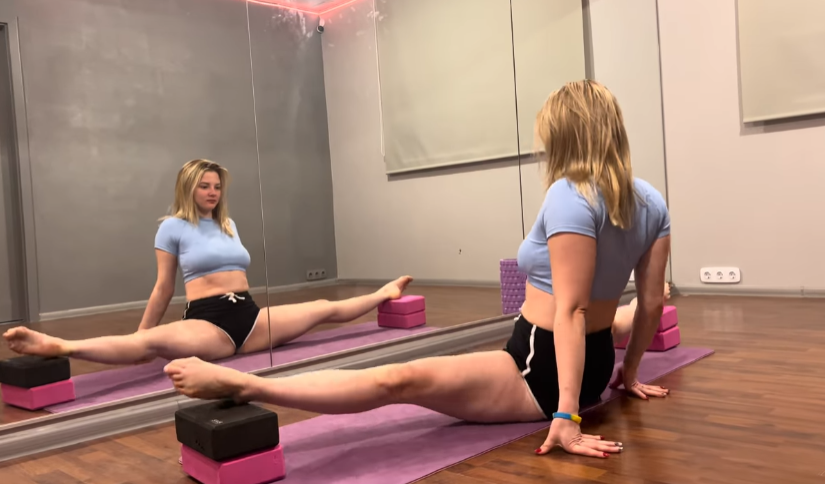
Flexible hamstrings are key for standing poses, forward folds, and splits. Begin with gentle hamstring stretches:
- Seated Forward Fold (Paschimottanasana): Sit with legs extended. Inhale to lengthen the spine, exhale to hinge at the hips and reach for the toes. Keep the spine long and avoid rounding excessively. Hold 30–60 seconds.
- Standing Forward Fold (Uttanasana): Stand tall, hinge at the hips, and let the upper body hang. Bend the knees slightly if necessary. Rock gently side to side to massage hamstrings and calves.
- One-Legged Forward Stretch: Stand and place one heel on a low surface. Fold forward gently, maintaining length through the spine. Switch sides.
These stretches lengthen the hamstrings while promoting blood flow and reducing tightness.
Stretching the Hip Flexors and Quads
Tight hip flexors can limit balance and stability in standing yoga poses, especially in Half Moon Pose.
- Low Lunge (Anjaneyasana): Step one foot forward, knee bent at 90 degrees, and the back knee resting on the mat. Press hips forward while keeping the torso upright. Hold 30–60 seconds per side.
- Quad Stretch (Standing or Lying): Grab one ankle and pull the heel toward the glutes while keeping knees close together. Ensure hips are square to the front. Switch sides.
- Lizard Pose Variation: From low lunge, place both hands inside the front foot and lower the forearms toward the mat for a deeper hip opener.
Hip flexor and quadriceps flexibility enhances balance, helps in kicks, leg lifts, and contortion movements, and prevents injuries during twisting poses.
Calves and Ankles: The Foundation
Strong, flexible calves and ankles support balance and leg alignment in yoga and contortion.
- Downward-Facing Dog (Adho Mukha Svanasana): Push heels toward the mat, gently pressing the calves and hamstrings. Pedal through feet for dynamic calf stretch.
- Standing Calf Stretch: Place toes against a wall and press the heel down, keeping the leg straight. Switch sides.
- Ankle Circles: Sit or stand and rotate each ankle clockwise and counterclockwise to improve mobility and stability.
These stretches prepare the lower legs for weight-bearing poses like Half Moon Pose.
Half Moon Pose: Technique and Benefits
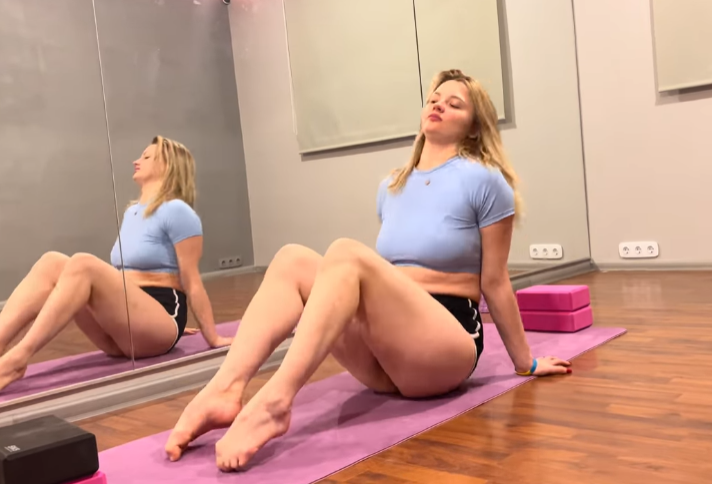
Half Moon Pose (Ardha Chandrasana) is a balancing posture that stretches the hamstrings, calves, and hips while strengthening the core, glutes, and supporting leg. It challenges coordination, stability, and spatial awareness.
How to Practice Half Moon Pose:
- Starting Position: Begin in Triangle Pose (Trikonasana). Place your right hand on the floor or a block about a foot in front of your right foot.
- Lift and Extend: Shift weight onto the right foot and right hand. Slowly lift the left leg parallel to the floor. Open the hips and chest toward the left.
- Arm Alignment: Extend the left arm toward the ceiling and gaze at the left hand if comfortable.
- Hold and Breathe: Maintain balance, engaging the core and glutes. Hold 15–30 seconds, then switch sides.
Benefits:
- Stretches hamstrings, calves, and groin
- Opens the hips and chest
- Strengthens glutes, thighs, and core
- Improves balance, coordination, and focus
For contortion enthusiasts, Half Moon Pose can be modified with a deeper backbend or a lifted upper leg for advanced flexibility challenges. Using a block under the hand helps beginners maintain alignment while working on strength and balance.
Contortion-Inspired Variations
Contortion techniques enhance the depth of leg and hip flexibility. In Half Moon Pose, variations can include:
- Elevated Half Moon Pose: Place the supporting hand on a higher block to allow a deeper lift of the back leg.
- Twisted Half Moon: Rotate the torso toward the lifted leg while keeping hips open to challenge spinal rotation and balance.
- Backbend Half Moon: Slightly arch the spine backward while lifting the leg higher to increase chest opening and dynamic flexibility.
These variations integrate strength, flexibility, and balance, adding an artistic, contortion-inspired element to the pose.
Flow Sequence for Leg Stretching
Combining yoga, contortion, and leg stretches into a smooth flow maximizes benefits. Here is a suggested sequence (10–15 minutes):
- Sun Salutations (3 rounds): Warm up the entire body dynamically
- Low Lunge + Quad Stretch: 30–60 seconds per side
- Downward-Facing Dog: 30 seconds, pedal heels
- Standing Forward Fold: 30 seconds
- Seated Forward Fold: 30–60 seconds
- Half Moon Pose: 15–30 seconds per side, using a block if needed
- Twisted Half Moon or Elevated Half Moon: Optional advanced variation
- Seated Straddle Stretch: Lean toward each leg and center, holding for 30 seconds each
- Frog Pose: Open inner thighs and groin for deep leg stretch
- Cool-Down Savasana: Lie down, relax, and breathe deeply to integrate the practice
This sequence combines static and dynamic stretches, yoga alignment, and contortion-inspired movements to improve leg flexibility, balance, and stability.
Breathing and Mindfulness
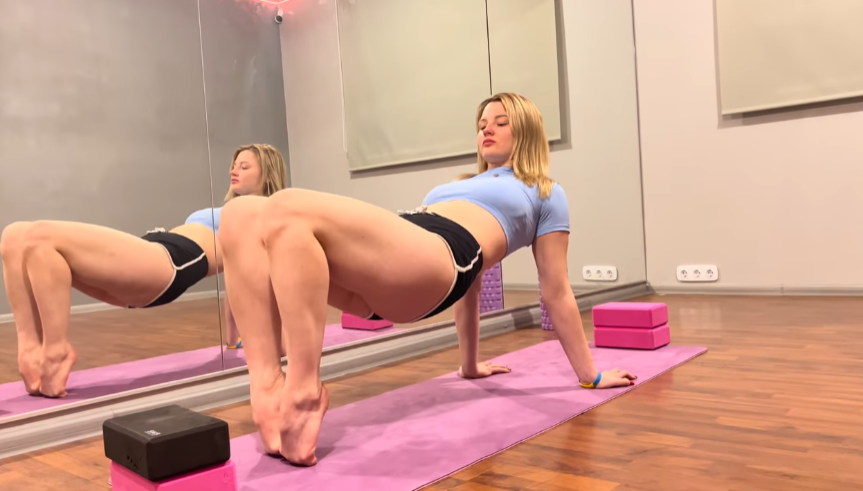
Breath is central to effective stretching and yoga practice. In leg stretches and Half Moon Pose:
- Inhale to lengthen the spine and prepare the body
- Exhale to release tension and deepen the stretch
- Maintain steady, calm breathing throughout, avoiding holding the breath
Mindfulness enhances body awareness, helping to detect tight spots, maintain proper alignment, and prevent injury.
Common Mistakes and Tips
- Overextending: Avoid forcing the leg higher than your flexibility allows. Gradual progression is safer.
- Hips Not Open: Ensure the lifted leg and supporting hip are aligned. Square hips prevent imbalance and strain.
- Collapsed Core: Engage the abdominal muscles to maintain stability.
- Neglecting Supporting Leg: The grounded leg must remain strong and slightly bent if needed to protect the knee.
- Breath Holding: Constant breathing prevents tension and promotes deeper flexibility.
Following proper technique ensures safety and long-term flexibility gains.
Benefits Beyond Flexibility
Regular practice of leg stretches, yoga, and Half Moon Pose improves more than flexibility:
- Strength: Core, glutes, and legs are strengthened through weight-bearing balance
- Balance: Proprioception and coordination are enhanced
- Mental Focus: Concentration and mindfulness develop through challenging poses
- Joint Health: Increased mobility reduces the risk of injury
- Posture: Open hips and strong legs contribute to better alignment and stability
Conclusion
Stretching legs through yoga and contortion practices, with a focus on Half Moon Pose, is a holistic approach to improving strength, flexibility, and balance. Combining warm-ups, dynamic and static stretches, contortion-inspired variations, and mindful breathing creates a full-body experience that strengthens the lower body while enhancing focus and coordination.
By practicing consistently, respecting the body’s limits, and incorporating variations to challenge both strength and flexibility, practitioners can unlock new levels of leg mobility, stability, and grace. The Half Moon Pose serves as both a technical and artistic anchor, teaching balance, alignment, and control while creating space for creative expression.
Whether a beginner or advanced yogi, integrating yoga, contortion, and leg stretches into your workout routine provides transformative benefits for both body and mind. Each session builds stronger, longer, and more balanced legs, while fostering patience, awareness, and confidence—essentials for every yoga and contortion practice.