The fire began quietly, the most dangerous kind of fire. It started somewhere behind the walls of a narrow Philadelphia rowhome, hidden from sight, growing stronger with every second. Outside, the city slept. Streetlights cast long shadows on brick sidewalks, and the winter air carried only the distant hum of traffic. Inside the house, a family slept peacefully, unaware that smoke was already creeping through the hallways, stealing oxygen, preparing to turn a home into a trap.
But someone was awake.
His name was Max.
Max was not a large dog, nor was he trained as a rescue animal. He was a family dog—part shepherd, part mutt, all heart. He had spent the evening curled near the stairs, ears twitching at every unfamiliar sound, as he always did. That night, his instincts told him something was wrong. At first it was the smell: sharp, bitter, nothing like cooking smoke or a blown-out candle. Then came the heat, faint but alarming, rising through the floorboards.
Max stood up.
Smoke stung his nose and made his eyes water, but he did not retreat. Instead, he ran toward the bedrooms.
The first door was closed. Max scratched at it, whining urgently. When there was no response, he barked—loud, frantic, relentless. Inside, the parents stirred. Disoriented, they coughed as smoke filled the room. When the door opened, smoke poured in, thick and choking. Panic followed instantly.
“There’s a fire!” someone shouted.
Max didn’t wait. He ran down the hallway to the children’s room. The smoke was heavier there, burning his lungs, but he pushed through. He barked again, jumping against the bed, pulling at blankets with his teeth. The children woke to chaos—sirens of instinct and fear blending into one terrifying moment.
By the time the family stumbled into the hallway, flames were already visible on the lower floor. The staircase glowed orange, crackling loudly, heat rolling upward in violent waves. Escape through the front door was impossible.
That was when Max ran toward the back of the house.
He had never been trained to lead anyone, but somehow he knew. He led them to the rear window, barking, looking back again and again to make sure they followed. The parents forced the window open just as flames began licking the ceiling above the stairs. One by one, they climbed out onto the small roof below, then down into the alley with the help of neighbors who had begun to gather.
Max was the last to jump.
His fur singed. His paws burned. Smoke filled his lungs. But he jumped anyway.
Moments later, the fire consumed the rowhome. Firefighters arrived quickly, but the damage was severe. The family stood in the cold night air, wrapped in blankets, watching their home burn. They were shaking, coughing, crying—but they were alive.
Because of Max.

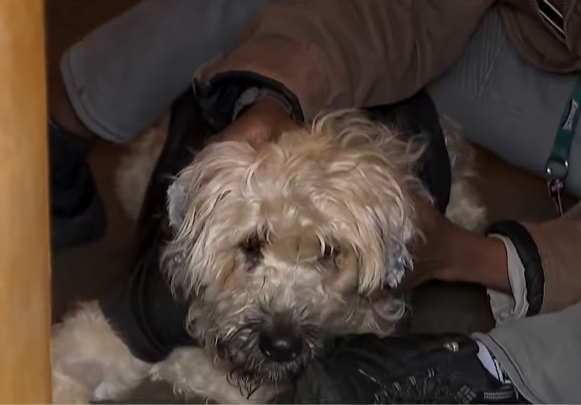
At the emergency veterinary clinic, the reality of Max’s injuries became clear. Severe burns covered his paws and lower legs. Smoke inhalation had damaged his lungs. His breathing was labored, each breath a visible effort. He was placed in an oxygen chamber, IV lines running into his legs, his body exhausted from the fight.
The veterinarian spoke gently but honestly.
Max would survive—but only with surgery.
The burns on his paws were deep. Without surgical treatment, infection was likely. Scar tissue could leave him in chronic pain, unable to walk properly again. The surgery was complex and expensive, requiring specialized care and a long recovery period. For a family who had just lost their home, the cost felt overwhelming.
They had already lost everything except each other—and Max.
“He saved us,” the mother said, her voice breaking as she stroked Max’s bandaged head through the glass of the oxygen chamber. “We can’t lose him now.”
Max lay quietly, eyes half-open, tail giving the faintest wag when he heard their voices. Even in pain, even exhausted, he was still trying to comfort them.
News of the hero dog spread quickly through the neighborhood. Neighbors who had watched the flames rise began sharing the story. Firefighters spoke about the dog who alerted the family before alarms even went off. A local reporter came to the clinic, photographing Max’s bandaged paws and tired eyes.
“He’s a hero,” the firefighter said simply. “No question about it.”
But heroes need help too.
A fundraiser was started to cover Max’s surgery and recovery. Donations trickled in at first—five dollars, ten dollars, notes attached from strangers saying things like “Thank you for saving that family” and “You’re a good boy, Max.” Then the story spread further. People from across Philadelphia, and then across the country, began to give.
Some donated because they loved dogs. Others because they had lived in rowhomes and understood how fast fire could take everything. Many donated because Max’s story reminded them that bravery doesn’t require words.
As the surgery date approached, Max’s condition remained fragile. He struggled to stand. His paws were swollen, raw, painfully sensitive. Still, when the family visited, he lifted his head and tried to wag his tail, apologizing in his own way for worrying them.
The night before surgery, the father sat beside Max’s kennel for hours. He spoke quietly, telling Max how proud he was, how he had saved them all, how none of this was his fault.
“You already did your job,” he whispered. “Now let us do ours.”
The surgery lasted several hours. Skin grafts were carefully placed on Max’s paws. Damaged tissue was removed. His lungs were monitored closely as the veterinary team worked to give him the best possible chance at a full recovery.
When the veterinarian finally came out, exhausted but smiling, the family held their breath.
“He made it,” she said. “He’s strong.”
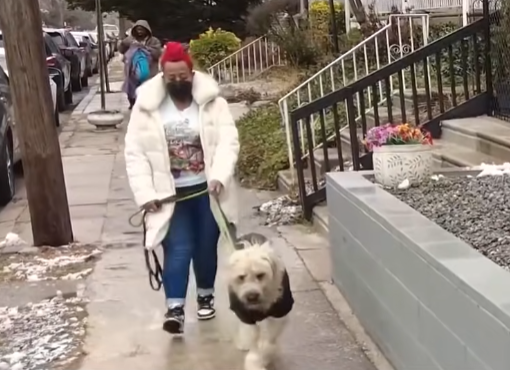
Recovery was slow and painful. Max had to relearn how to walk without reopening wounds. Physical therapy sessions were difficult, sometimes heartbreaking. There were days when he refused to move, curling into himself, eyes dull with pain and frustration.
On those days, the family sat with him on the floor, reminding him how he had run through smoke, how he had barked until they woke, how he had refused to leave anyone behind.
Slowly, Max improved.
He took his first careful steps across the clinic room. Then longer walks. Then, one afternoon, he wagged his tail hard enough to knock over a chair. The room erupted in laughter and tears.
Though the family lost their home, they found something unexpected in the aftermath: community. Neighbors helped them find temporary housing. Donations provided clothes, food, and essentials. And through it all, Max became a symbol—not just of survival, but of loyalty, courage, and unconditional love.
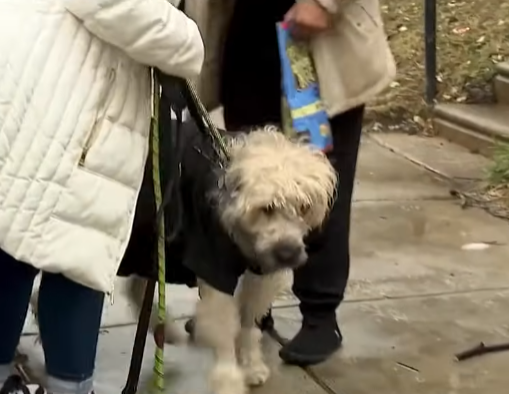
Today, Max still bears scars. His paws are sensitive. He walks a little slower than before. But he walks. He plays. He sleeps with his head on his family’s feet, always alert, always watching.
The fire took a house.
But it did not take a family.
And it did not take their hero.
Max didn’t think about danger. He didn’t think about pain. He didn’t think about saving lives.
He just knew the people he loved were in trouble.
And that was enough.