
In today’s fast-paced world, stress has become an almost constant companion. Deadlines, digital distractions, and the pressures of daily life often leave us feeling tense, anxious, or mentally exhausted. Amid this constant whirlwind, it’s easy to forget the power of simple, mindful practices that nurture both the body and mind. One of the most effective approaches is mindful engagement, which combines careful observation with deep breathing and gentle stretching. This integrated practice not only reduces stress but also enhances relaxation, emotional well-being, and overall mindfulness.
Understanding Mindful Engagement
Mindful engagement is the act of fully immersing oneself in the present moment with intentional awareness. It involves paying attention to our surroundings, bodily sensations, and mental states without judgment. Unlike multitasking or mindless routines, mindful engagement requires focused attention and conscious awareness. By observing our environment or our own inner experiences and pairing these observations with breathing and movement, we create a holistic method for achieving calm, clarity, and balance.
Observation, in this context, can include noticing nature, people, animals, or even everyday objects. The key is to engage the senses fully—sight, sound, touch, smell, and sometimes even taste—allowing the mind to anchor in the present moment. Deep breathing supports this engagement by regulating the nervous system, lowering stress hormones, and promoting oxygen flow to the brain. Gentle stretching complements both observation and breathing by releasing tension in the muscles, improving circulation, and enhancing physical comfort.
When combined, these three elements create a synergistic effect that promotes deep relaxation, mindfulness, and emotional resilience.
The Power of Observation
Observation is the first pillar of mindful engagement. It requires slowing down, focusing attention, and appreciating the nuances of life that often go unnoticed. For example, observing the sway of tree branches in the wind, the gentle ripple of water in a stream, or the playful interactions of animals can draw our attention away from worries and into the present moment.
Even in an urban setting, observation can be practiced. Noticing the texture of a building’s walls, the rhythm of passing cars, or the subtle expressions of people around us engages the senses and promotes mindfulness. The goal is not to analyze or judge but to immerse ourselves in what is happening now, accepting the moment as it is.
Incorporating observation into daily life fosters a sense of curiosity, wonder, and emotional attunement. Studies have shown that mindful observation can reduce cortisol levels, improve mood, and increase focus, making it a valuable tool for stress reduction and mental clarity.
Deep Breathing: A Natural Relaxation Tool

Breathing is one of the most powerful tools for managing stress, yet it is often overlooked. When we are anxious or tense, our breath becomes shallow and rapid, signaling the body’s fight-or-flight response. Deep, intentional breathing, however, activates the parasympathetic nervous system—the body’s relaxation response—calming the mind and reducing physical tension.
There are various techniques for mindful breathing, but the most effective are simple and accessible:
- Diaphragmatic Breathing: Inhale deeply through the nose, allowing the abdomen to expand, and exhale slowly through the mouth. This encourages full oxygen exchange and reduces tension in the chest and shoulders.
- Box Breathing: Inhale for four counts, hold for four counts, exhale for four counts, and pause for four counts before repeating. This method provides structure and focus, grounding the mind in the rhythm of breath.
- 4-7-8 Breathing: Inhale for four counts, hold for seven counts, and exhale for eight counts. This technique slows the heart rate and promotes deep relaxation.
By combining deep breathing with observation, we create a mindful loop: observing engages the mind, breathing calms the body, and together they foster a state of holistic awareness. For instance, while observing a flower, you can inhale deeply as you notice its colors, shapes, and patterns, then exhale slowly while feeling the body relax. This integration enhances both sensory awareness and emotional regulation.
Gentle Stretching: Releasing Tension and Improving Awareness
Stretching is another essential component of mindful engagement. Prolonged stress often manifests physically as muscle tension, stiffness, or discomfort. Gentle stretching not only relieves this tension but also heightens body awareness, creating a deeper connection between mind and body.
Key stretches for mindful engagement include:
- Neck and Shoulder Rolls: Release tension in the upper body by slowly rolling the shoulders and gently stretching the neck. Coordinate these movements with deep breaths for added relaxation.
- Seated Forward Fold: Sitting on the floor or a chair, hinge at the hips and fold forward, letting the arms and head relax. Focus on the stretch in the spine and hamstrings while breathing deeply.
- Cat-Cow Stretch: On hands and knees, alternate arching and rounding the back, syncing the movements with inhalations and exhalations to loosen the spine and release tension.
- Side Stretch: While seated or standing, raise one arm overhead and lean gently to the opposite side, stretching the side body while breathing deeply.
Gentle stretching encourages mindful observation of the body’s sensations. By paying attention to areas of tightness, warmth, or movement, we cultivate a deeper connection with our physical self. Combined with breathing and sensory observation, stretching enhances relaxation, increases flexibility, and promotes overall well-being.
Integrating Observation, Breathing, and Stretching
The true power of mindful engagement emerges when observation, deep breathing, and gentle stretching are integrated into a cohesive practice. Here is a simple routine to illustrate this integration:
- Choose a Setting: Find a quiet space—indoors or outdoors—where you feel comfortable observing your surroundings. Nature is ideal, but urban environments can also work.
- Settle the Body: Sit or stand comfortably, ensuring your spine is straight. Take a few moments to observe your immediate environment, noting colors, shapes, movements, and sounds.
- Begin Deep Breathing: Inhale deeply, filling the abdomen with air, and exhale slowly, releasing tension. Focus on the rhythm of your breath as you continue to observe.
- Incorporate Gentle Stretching: Slowly stretch your arms, back, neck, or legs, paying attention to physical sensations. Coordinate movements with each breath, noticing how your body responds.
- Maintain Mindful Awareness: Continue observing, breathing, and stretching in a slow, deliberate rhythm for 10–20 minutes. Allow thoughts to pass without judgment, returning focus to breath, body, and surroundings.
By combining these elements, you create a practice that engages the mind, calms the nervous system, and releases physical tension. The result is a state of deep relaxation, mental clarity, and emotional balance.
Scientific Insights on Mindful Engagement

Research supports the benefits of integrating observation, breathing, and stretching. Mindfulness-based stress reduction (MBSR) programs have shown that practices combining sensory awareness, breathwork, and gentle movement reduce anxiety, depression, and stress. Neuroimaging studies indicate that these practices enhance activity in brain regions associated with attention, emotional regulation, and self-awareness.
Physical benefits include reduced muscle tension, improved circulation, better posture, and increased flexibility. Emotional benefits include decreased negative emotions, heightened sense of calm, and increased resilience to stress. These combined effects make mindful engagement an evidence-based approach to holistic well-being.
Applications in Daily Life
Mindful engagement is versatile and can be incorporated into daily routines. Here are some practical applications:
- Morning Routine: Start the day with 10–15 minutes of mindful observation and gentle stretching to set a calm, focused tone for the day.
- Work Breaks: Take short pauses during work to observe surroundings, stretch, and practice deep breathing, reducing tension and mental fatigue.
- Nature Walks: Combine walking with mindful observation of sights, sounds, and textures in nature, while practicing deep, rhythmic breathing.
- Evening Wind-Down: Before bed, engage in gentle stretching while observing calming visuals, such as candlelight or nature scenes, paired with slow breathing to prepare for restful sleep.
Integrating these practices into daily life allows the benefits of mindful engagement to accumulate over time, enhancing resilience, relaxation, and overall mental health.
Enhancing Mindful Engagement with Nature and Animals
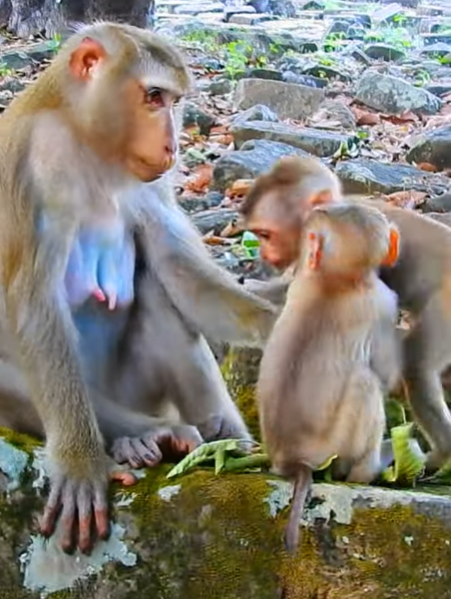
Incorporating natural elements and animals can further enhance mindful engagement. Observing mother and baby animals, flowing water, or rustling leaves creates a soothing sensory experience that amplifies relaxation. Watching gentle animal behaviors, like a mother duck guiding her ducklings or a cat grooming her kittens, can evoke feelings of joy, safety, and emotional warmth.
Combining this observation with deep breathing and gentle stretching creates a multi-layered relaxation experience. Your senses are engaged visually and auditorily, your breath regulates the nervous system, and your body releases tension through movement. This integration fosters a profound sense of calm and presence, allowing you to recharge physically, mentally, and emotionally.
Conclusion
Mindful engagement—through observation, deep breathing, and gentle stretching—is a powerful and accessible tool for stress relief and relaxation. By anchoring ourselves in the present moment, attending to our surroundings, and listening to our bodies, we cultivate a state of awareness, calm, and emotional balance.
Whether practiced in nature, at home, or even in urban environments, mindful engagement allows us to slow down, release tension, and reconnect with both the external world and our inner selves. Integrating these practices into daily routines supports long-term well-being, reduces stress, and enhances our capacity for presence and joy.
Ultimately, the combination of observation, breath, and movement is more than just a relaxation technique—it is a holistic approach to life. It reminds us that even amidst the chaos of modern life, we have the tools to find calm, restore balance, and nurture our mind, body, and spirit. By engaging mindfully with the world around us, we cultivate a sanctuary of peace, one breath, one stretch, and one observation at a time.