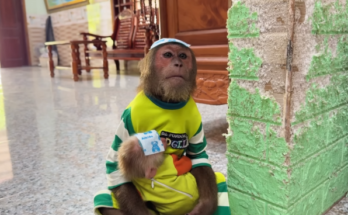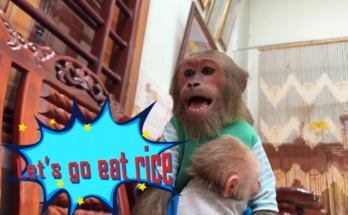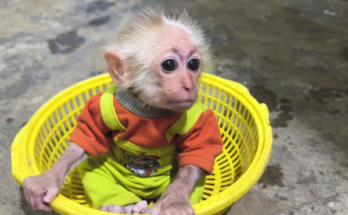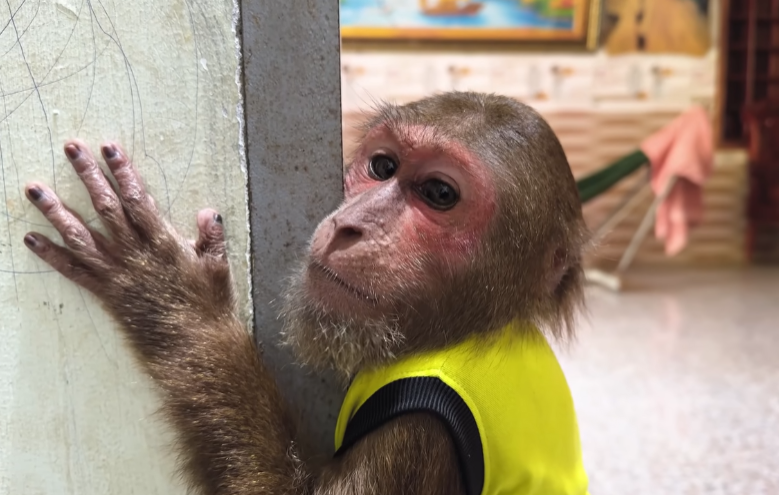
In a small village nestled between lush green forests and flowing rivers, there lived a young boy named Cutis. He was not wealthy, nor did he have many toys or gadgets that other children boasted about. But what Cutis had was a heart overflowing with kindness and courage, and a deep love for the creatures of the forest, especially monkeys. Among all the animals he adored, baby monkeys held a special place in his heart. Their innocent eyes, playful antics, and tiny hands that clung to their mothers fascinated him. But his attachment wasn’t just out of admiration—it was rooted in responsibility.
One morning, Cutis awoke to the soft chirping of birds and the golden rays of the sun filtering through his modest window. As he stretched, he remembered the promise he had made the night before. The baby monkey, Raja, a tiny bundle of fur no bigger than a loaf of bread, had lost his mother after a sudden storm. The villagers had tried to help, but no one had the patience or resources to feed him properly. Cutis had taken it upon himself to care for Raja. His first challenge, however, was milk. Baby monkeys require frequent feedings, and even though Raja’s appetite was small, it was persistent. Cutis knew he had to find a way to earn money to buy milk daily.
He decided that today, he would take up chores in the village. His father, a humble carpenter, had always taught him the value of hard work. “Cutis,” he said, “money earned with effort tastes sweeter, and it brings pride and respect, not just coins.” With those words echoing in his mind, Cutis set out with a small bag, ready to do whatever it took.
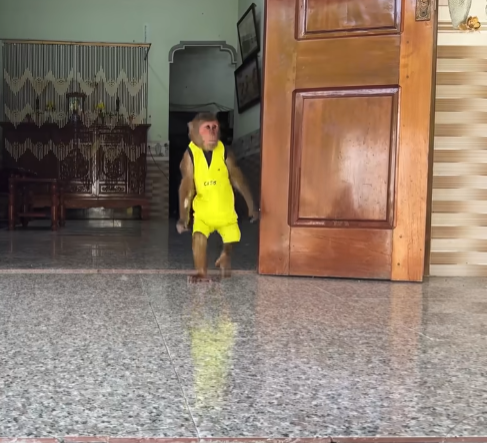

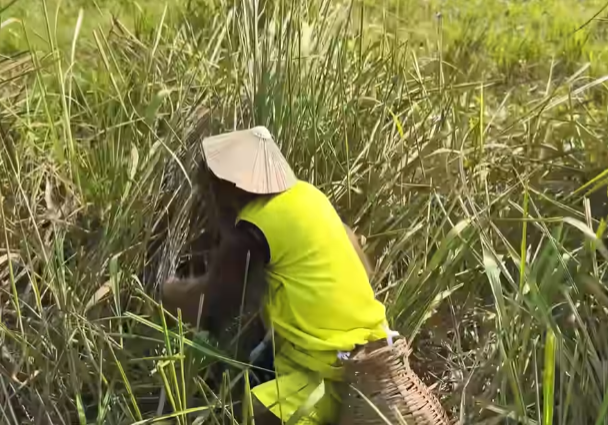
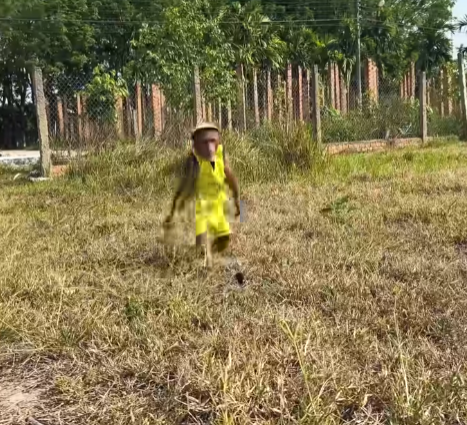
First, he went to the local rice mill. The owner, a kind old man named Mr. Hien, agreed to pay him for helping to carry heavy sacks. Cutis’s small hands worked tirelessly, lifting and stacking rice while keeping a cheerful attitude. The sun climbed higher in the sky, turning the midday air warm and sticky, but Cutis didn’t complain. Every drop of sweat, every aching muscle reminded him of Raja waiting for his meal. By the afternoon, he had earned enough for a small bottle of milk.
With money clutched tightly in his hand, Cutis raced to the market. The colorful stalls brimmed with vegetables, fruits, and household goods. The smell of fresh bread and grilled fish mingled with the earthy scent of spices. Despite the bustle, Cutis navigated through the crowd with determination, finally reaching the dairy vendor. “One bottle of milk, please,” he said politely, handing over his hard-earned coins. The vendor smiled, handing him the bottle carefully. Cutis’s heart swelled with pride. This milk would feed Raja, and in a way, make him feel like a hero.
When he returned home, Raja squealed in delight upon seeing Cutis. His tiny arms reached out as if sensing that Cutis had returned with something special. Carefully, Cutis warmed the milk and fed the little monkey, watching Raja’s eyes grow bright and satisfied with each sip. A sense of accomplishment washed over Cutis—he had worked hard, overcome obstacles, and now was rewarded with the joy of helping someone in need.
Days passed, and Cutis’s routine became a delicate balance of school, chores, and caring for Raja. Each morning, he would wake up early, sweep the yard, and assist neighbors with their tasks to earn his daily coins. Sometimes, he carried firewood, sometimes he helped mend fences, and occasionally he ran errands across the village. Through it all, he never faltered in his commitment to feed Raja.
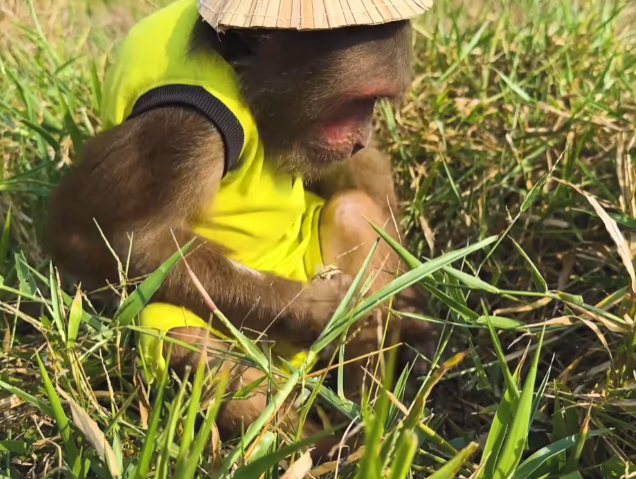
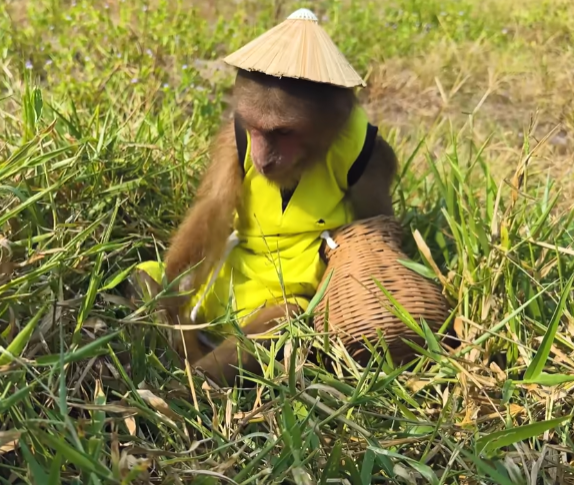
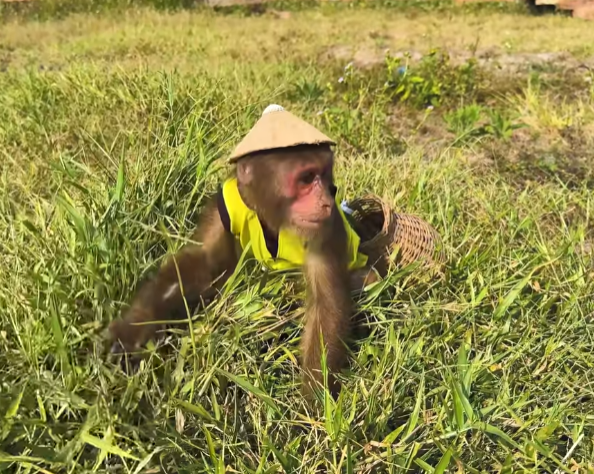

One afternoon, while helping an elderly woman collect vegetables from her garden, Cutis overheard a group of boys laughing cruelly about the baby monkey. “Why do you waste your time on that furball?” one of them sneered. “It’s just a monkey!” another added mockingly. Cutis’s cheeks flushed with a mix of anger and determination. He knew that what he was doing was more than feeding a monkey—it was about compassion, responsibility, and proving that small acts of care could make a big difference.
That evening, after buying milk and feeding Raja, Cutis sat by the riverbank, reflecting on the day. He realized that earning money and providing for someone else, even a small creature like Raja, required patience, resilience, and courage. He didn’t have riches, but he had the ability to make someone else’s life better, and that was far more valuable than any treasure.
One rainy night, disaster struck. The river that ran near the village swelled from the heavy rain, and the water began to rise dangerously close to Cutis’s home. In a frantic moment, he realized that Raja’s little nest, carefully built in a wooden basket, was at risk. Without hesitation, Cutis dashed into the rain, lifted the basket, and carried Raja to higher ground. Soaked to the bone, shivering but undeterred, he protected the baby monkey until the storm subsided. That night, as he dried Raja with a warm cloth and shared his blanket, he felt a deep sense of heroism—not because he was fearless, but because he had chosen to act when it mattered most.
Word of Cutis’s dedication began to spread throughout the village. Neighbors admired the boy who tirelessly cared for an orphaned monkey, often remarking, “That boy has a heart bigger than the mountains around us.” Even the children who had mocked him before started to see him in a new light, realizing that courage and kindness often outweighed laughter or teasing.
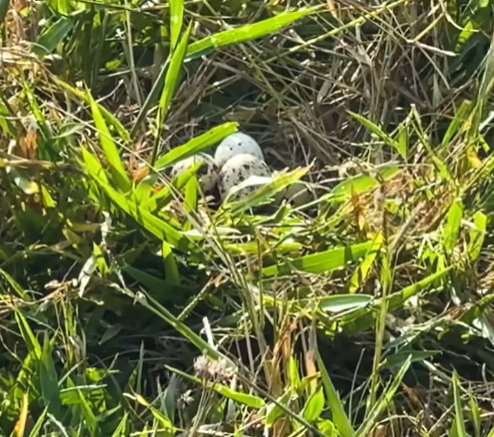

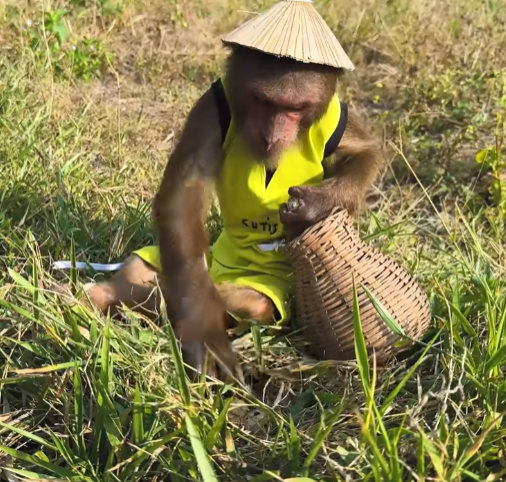
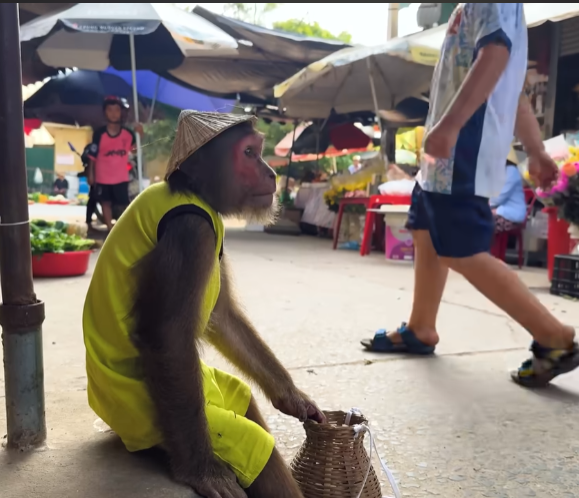
Cutis’s commitment wasn’t limited to feeding Raja. He taught the baby monkey small tricks to climb safely, avoid hazards, and play without harming himself. He even learned how to mimic a monkey’s soothing calls so Raja would feel secure when he was away. The bond between them grew stronger each day, built on trust, love, and shared experiences.
One day, a village festival was announced, celebrating the harvest season. The children were excited to show off their talents, and Cutis saw an opportunity to earn more money for milk. He decided to showcase a small performance with Raja. With careful training and countless hours of patience, he taught Raja a few harmless tricks: balancing on a small log, waving at the audience, and even playfully handing a leaf to Cutis. The villagers gathered, impressed by the duo’s seamless coordination and the evident affection between them. After the performance, generous villagers rewarded Cutis with coins, which he immediately used to stock up on milk and other supplies for Raja.
Through the seasons, Cutis’s story became legendary in his village. He was no longer just a boy helping a monkey; he had become a symbol of compassion and dedication. Even when offered toys, sweets, or other distractions, Cutis focused on what mattered most: providing for Raja and ensuring his little friend’s happiness and safety.
The bond they shared also taught others valuable lessons. The villagers began to treat animals with more care, understanding that small acts of kindness ripple outward in unexpected ways. Children learned from Cutis that true heroism didn’t always involve grand gestures; sometimes, it was about consistent effort, responsibility, and love.
One morning, as the sun rose, painting the sky in shades of pink and gold, Cutis sat beside Raja, watching the little monkey play in the dewy grass. He smiled, thinking of all the early mornings, hard work, and challenges he had faced. Every coin earned, every chore completed, every drop of sweat had been worth it for this moment of joy. Raja, sensing the boy’s thoughts, scampered up and hugged Cutis’s arm, squeaking happily.
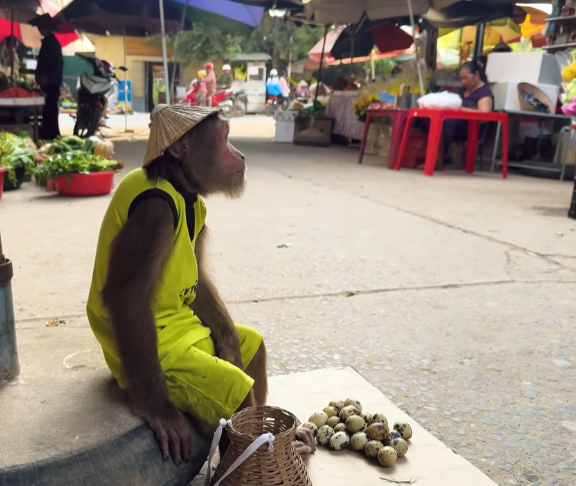
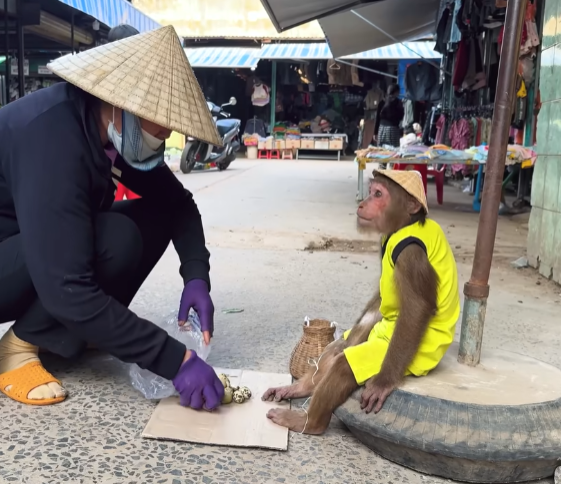
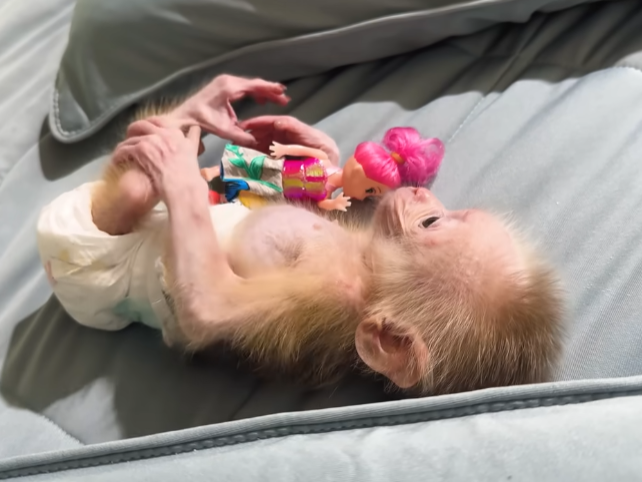
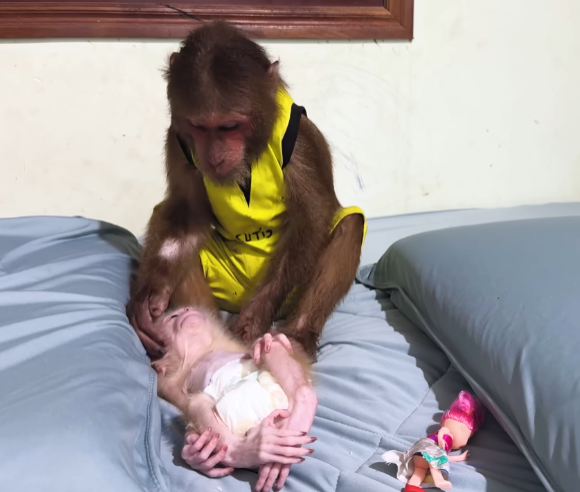
“See, Raja,” Cutis whispered, “we’ve done it together. We’ve faced everything, and we’re stronger because of it.”
And in that serene morning light, Cutis realized something profound: heroism wasn’t about being fearless or invincible. It was about caring, acting, and giving selflessly for those who couldn’t help themselves. He had started as a boy with a small heart full of love, and through effort, dedication, and courage, he had become a true hero—not just to Raja, but to everyone who witnessed his journey.
As years passed, Cutis continued to care for Raja and other animals in the village. He grew wiser, stronger, and even more compassionate. The story of the boy who worked hard to earn money to buy milk for a baby monkey became a legend, reminding everyone that love and dedication, no matter how small the act, can create ripples that last a lifetime.
Cutis had learned that heroism often comes in quiet, unseen moments: the early mornings, the chores completed with diligence, the coins earned with sweat, and the love given without expectation. Through his journey with Raja, he had not only saved a life but had inspired a community, proving that even the smallest hands can make the biggest difference.
And so, in that little village surrounded by forests and rivers, Cutis, the boy who once simply wanted to care for a tiny baby monkey, became a hero brother—a symbol of love, resilience, and unwavering kindness that no storm, mockery, or challenge could ever diminish.