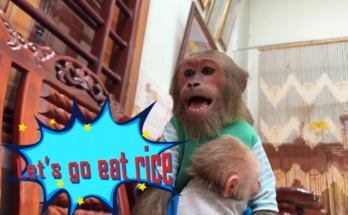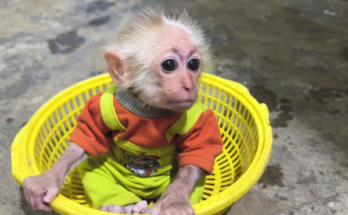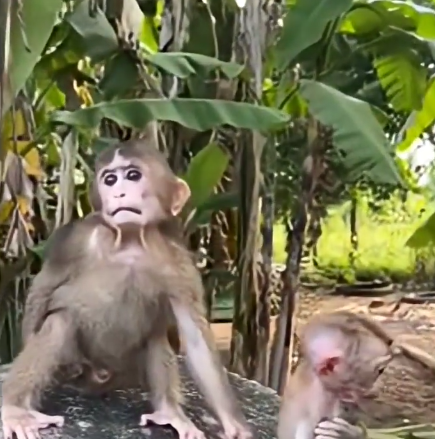

The wind whispered softly through the trees, carrying with it memories of laughter, warmth, and tender moments that now seemed like echoes from another life. In a small village nestled between rolling hills and quiet rivers, a group of children waited, hearts heavy and eyes filled with longing. Their days had become quiet, their laughter subdued, their world missing the light that only a mother’s presence could bring. “Dear mom, come back to your yearning ones,” they seemed to call silently, their hearts echoing a pain too deep for words.
Motherhood is one of life’s most profound gifts. A mother is a protector, a teacher, a guide, and a source of unconditional love. When she is present, her energy radiates through her family, creating a rhythm of security, joy, and comfort. When she is absent—whether by circumstance, distance, or loss—the void she leaves behind is felt deeply. Every corner of the home reminds those left behind of her absence, and every small need unmet becomes a reminder of the missing heart that once nurtured them.
In the early mornings, the children rose, their movements slow and hesitant. The youngest, barely able to tie his own shoes, wandered through the empty kitchen, looking for the warmth of a mother’s hand or the familiar smile that greeted each new day. Breakfast was a quiet affair, each child eating in silence, lost in thought, imagining their mother sitting beside them, guiding them through the ordinary routines that had now become exercises in longing.
“Mom, where are you?” whispered the eldest, her voice trembling as she set the table for her younger siblings. She remembered the way her mother would hum softly while preparing meals, how she would tell stories and make even the simplest chores a joyful activity. Now, the house felt hollow, echoing only with footsteps that were no longer accompanied by the reassuring presence of their mother.
Children often feel loss more keenly than adults because their world is still being shaped by relationships, guidance, and love. A mother’s absence is not simply a missing person—it is the absence of stability, of comfort, and of the gentle hand that helps them navigate challenges. Each day without her stretches endlessly, each task a reminder that someone they deeply rely upon is not there.
Even in play, the children felt her absence. Games that once brought bursts of laughter now carried an undercurrent of sadness. The swings in the yard creaked in the morning breeze, but no mother pushed them, no gentle hand steadied them when the rope wobbled. The sandbox remained still, waiting for the tiny hands that would shape castles, with no mother to admire the work or teach the lessons of patience and sharing. Every object, every familiar spot in the home or yard, became a silent witness to the gap left behind.

In the evenings, the yearning grew stronger. The sky would turn shades of pink and gold, and the children would gather near the doorway, watching the horizon, imagining that each passing figure might be their mother returning. The youngest would clutch a worn piece of fabric—once part of a mother’s dress—holding it to his chest, inhaling the faint scent of home. It was a comfort, fleeting and fragile, but it kept hope alive.
Hope, however, is never without struggle. The children wrestled with emotions too complex for their young hearts. Sadness, anger, confusion, and yearning intertwined in a mix of feelings that often left them exhausted. Nights were the hardest; the darkness seemed to amplify the absence, and the silence was deafening. Yet, in these moments of longing, the power of love was evident. Each heartbeat, each whispered wish, carried a message that transcended time and distance: “Dear mom, come back to your yearning ones.”
The mother herself, wherever she was, might not have realized the depth of her children’s yearning. Perhaps she faced challenges that kept her away—circumstances beyond her control, a distant job, or struggles that demanded her attention. Yet love, even when separated by miles or obstacles, never diminishes. It flows quietly, connecting hearts across space, reminding children and mothers alike that bonds formed in love cannot be broken.
Stories of children longing for absent parents are universal. Across cultures and generations, the cry for maternal presence resonates because it touches the essence of human need. Love, nurturing, guidance, and safety are all intertwined with the figure of the mother. When she is absent, the body of care that once enveloped the child is incomplete, and the yearning becomes a defining part of daily life.
The community often senses this void too. Neighbors may offer help, relatives may step in, but there is a unique space that only a mother can occupy. The meals prepared, the guidance given, the comfort offered—all bear the invisible signature of a mother’s love. When she is missing, even acts of kindness from others, while helpful, cannot fully fill the empty space left in the heart of her children.
Nature itself seems to mirror the children’s longing. Trees sway gently in the breeze as if reaching toward the sky in hope. Birds sing soft, uncertain songs, echoing the quiet call of waiting hearts. Streams ripple through the village, flowing ceaselessly, reflecting sunlight and shadows, much like the emotions of those who wait. In this shared space of human and natural longing, the presence of the mother is deeply missed, yet subtly felt in memory and imagination.

The journey of waiting is transformative. Children learn patience, resilience, and the ability to hold love in absence. They discover that yearning, while painful, also carries hope and strength. Each day becomes a lesson in enduring emotion, in understanding that love transcends presence. The yearning itself is a testimony to the bonds that connect them to the mother, a quiet celebration of what has been and a reminder of what will return.
When the mother eventually returns, the moment is electric. Hearts beat faster, eyes light up, and the air is filled with cries, laughter, and the chaos of reunion. A single embrace, a touch of hands, or a whispered word can dissolve days, weeks, or months of longing. The children’s hearts, heavy with absence, are filled again with warmth, security, and joy. Every tear shed in her absence is transformed into smiles, every sigh of yearning replaced with laughter and relief.
Yet the beauty of yearning lies not only in reunion but in the depth of love it reveals. The children learn to value presence, to appreciate care, and to understand the profound connection that binds them to their mother. Absence, while painful, enhances the meaning of love. It reminds them that a mother’s influence is not measured solely by physical presence but by the enduring impact of her love, guidance, and protection.
Even in the quiet moments, when the children rest with the mother nearby, brushing her hair, listening to her voice, or simply sitting together, the lessons of absence remain. They carry forward the understanding that love is powerful, resilient, and often tested by distance and challenge. The yearning for her return becomes a thread woven into their lives, connecting past, present, and future.
“Dear mom, come back to your yearning ones,” is more than a plea. It is a declaration of the unbreakable bond between mother and child. It is a testament to the depth of connection that love creates, and a reminder that even in absence, hearts remain linked. Through longing and hope, pain and anticipation, the enduring presence of love continues to shape the lives of children, preparing them to recognize, cherish, and sustain the relationships that define them.
In the end, the story of yearning is a universal one. Every child who waits, every mother who is absent, every heart that longs is part of a larger tapestry of human emotion. Love persists through absence, hope endures despite uncertainty, and the call for reunion—soft, persistent, and filled with emotion—remains a defining feature of life itself.
The children continue their daily routines, moving through the world with small acts of resilience, always carrying the hope that their mother will return. And in each whispered wish, each hopeful glance toward the horizon, the message is clear: love, longing, and connection are eternal.
“Dear mom, come back to your yearning ones,” is a call that resonates across time, space, and hearts—a reminder of the power of maternal love, the endurance of hope, and the beauty of reunion yet to come.