As the first light of dawn slips over the misty hills of southern China, a Chinese monkey park slowly wakes to life. The air is cool and damp, carrying the earthy scent of bamboo leaves, wet soil, and distant water. Before the first visitors arrive, the park already hums with quiet activity—not from humans, but from hundreds of monkeys beginning another ordinary yet endlessly fascinating day.
At sunrise, the monkeys are the true owners of the land. Families of macaques stretch on tree branches, mothers pulling their babies closer to their chests as the little ones yawn and cling tightly. Young monkeys chase one another along wooden walkways and rocks, their tails flicking with excitement. Elders sit calmly, grooming each other with patient fingers, carefully picking through fur in a ritual that strengthens bonds and keeps peace within the group. Grooming is not just about cleanliness—it is the social glue of monkey life.
Park staff arrive early, usually before the gates open to visitors. Their first task is to walk through the park quietly, checking on the animals and the environment. They observe which monkeys look healthy, which mothers have newborns, and whether any individuals appear injured or stressed. Experienced caretakers can recognize each monkey’s personality at a glance. They know which one is the mischievous troublemaker, which is the protective mother, and which dominant male will insist on being first at breakfast.
Feeding time is one of the most energetic moments of the day. Large baskets of fruits and vegetables—bananas, sweet potatoes, corn, apples, leafy greens, and peanuts—are distributed at multiple feeding points to prevent fighting. As soon as the food appears, excitement ripples through the troop. Calls echo through the trees, and monkeys rush forward, some boldly grabbing food, others cautiously waiting their turn. Mothers carefully select softer pieces for their babies, while younger monkeys sneak bites when they think no one is watching.
Despite the apparent chaos, there is an invisible order. Dominant monkeys eat first, while lower-ranking ones wait or search for leftovers. Occasional squabbles break out—brief flashes of teeth, sharp warning cries—but serious fights are rare. Years of living together have taught the monkeys how to balance competition and cooperation. By mid-morning, full bellies bring calmer moods, and the park settles into a more relaxed rhythm.
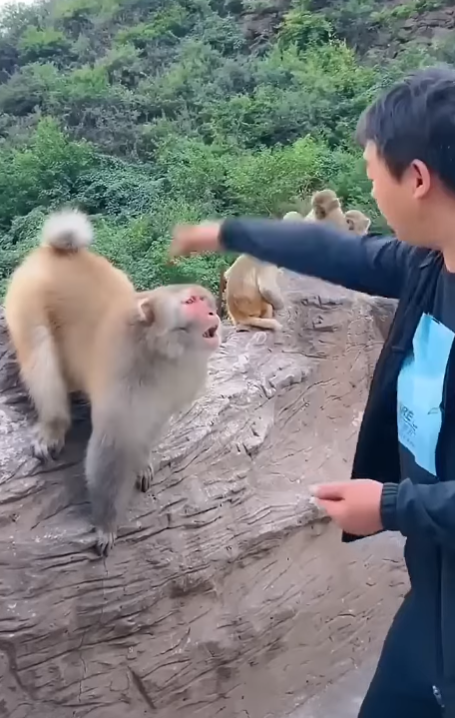
As the sun rises higher, visitors begin to arrive. Families, tourists, and school groups enter the park, cameras ready, excitement clear on their faces. Signs remind everyone to keep a safe distance, avoid eye contact with aggressive monkeys, and never tease or feed them directly. Park guides explain the rules patiently, sharing stories about monkey behavior and the importance of respecting wildlife.
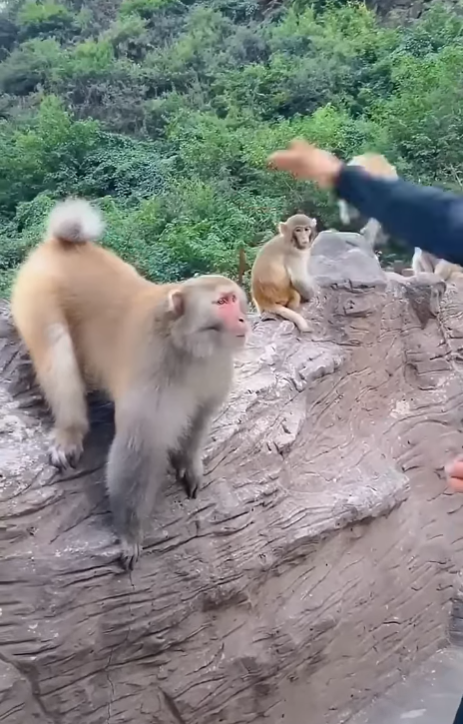
The monkeys, used to human presence, respond in different ways. Some sit confidently near pathways, watching people with curious eyes as if studying them in return. Others prefer higher ground, observing quietly from tree branches. A few bold individuals may approach visitors, hoping for dropped snacks—though vigilant staff are quick to intervene. The best moments happen when visitors simply watch: a mother teaching her baby to climb, siblings playing tag, or an old monkey calmly basking in the sunlight.
Late morning is often nap time. After eating and socializing, many monkeys retreat to shaded areas. You’ll see them sprawled across rocks, curled together on platforms, or draped lazily over tree limbs. Babies sleep pressed against their mothers, tiny fingers still tangled in fur. The park grows quieter, broken only by the rustle of leaves and the occasional call of a bird. This peaceful period reveals the gentle side of monkey life that many people don’t expect.
Behind the scenes, veterinarians and researchers continue their work. Health checks, behavioral observations, and data collection happen daily. Researchers note social interactions, family structures, and changes in behavior, helping improve care and deepen understanding of primate life. In some parks, rehabilitation programs help rescued monkeys adapt to social living again, teaching them how to interact safely with others of their kind.
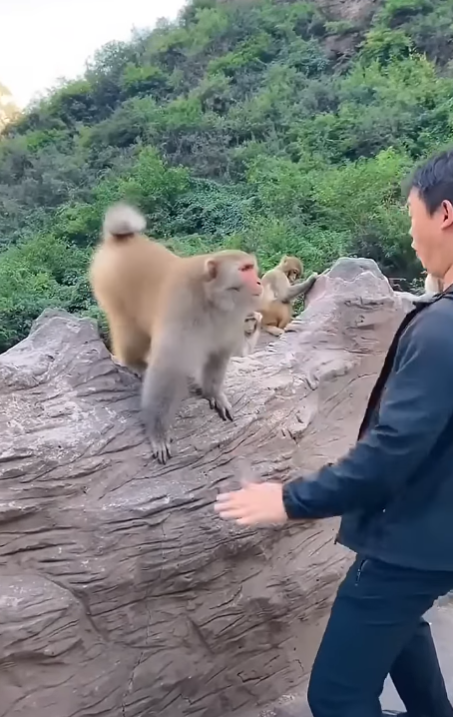
In the afternoon, activity slowly picks up again. Younger monkeys resume their games, chasing each other across bridges and climbing frames designed to stimulate natural movement. Adolescents test their strength, swinging from ropes or challenging one another in playful wrestling matches. These games are essential—they teach balance, social rules, and survival skills.
Another light feeding may take place later in the day, especially for growing juveniles or nursing mothers. This time, the mood is calmer. The monkeys know the routine now. They gather without much fuss, eating steadily before returning to their preferred spots. Visitors often find this time especially enjoyable, as they can observe behavior up close without the earlier excitement.
As evening approaches, the park begins to wind down. Visitors slowly exit, the noise fades, and the monkeys prepare for night. Families regroup, choosing sleeping areas that feel safe and familiar. Mothers check on their babies, grooming them one last time before sleep. Dominant males patrol briefly, ensuring no threats linger as darkness falls.
When the gates finally close and the staff complete their final checks, the park belongs once again entirely to the monkeys. Crickets begin their song, and the forest settles into calm. High in the trees, silhouettes of monkeys curl into rest, trusting the land they know so well.
A normal day at a Chinese monkey park may seem simple—eat, play, rest, repeat—but within that rhythm lies a complex world of emotion, intelligence, and social connection. Every glance, gesture, and interaction tells a story. For those who take the time to watch closely, a visit to the monkey park is not just a tourist experience—it is a quiet lesson in family, balance, and life lived in harmony with nature.