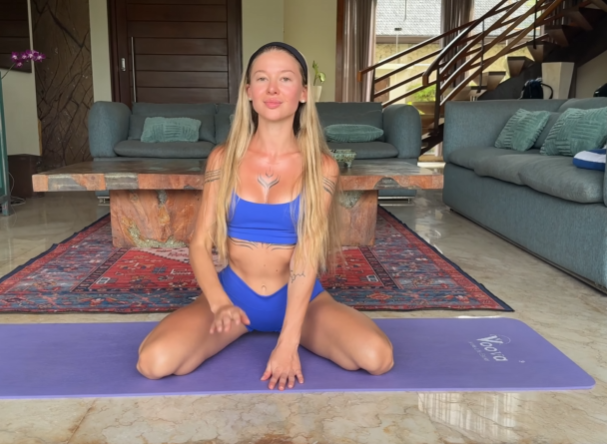
In today’s fast-paced world, our bodies often carry more tension than we realize. Hours of sitting, stress, repetitive movements, and lack of mindful breathing can leave muscles tight and joints stiff. A full-body stretching session combined with a relaxing yoga routine offers a gentle yet powerful way to restore flexibility, calm the nervous system, and reconnect with your body. This practice is suitable for beginners and experienced practitioners alike, focusing not on performance, but on presence.
Begin by creating a peaceful space. Choose a quiet room, dim the lights if possible, and lay out a yoga mat or soft surface. Wear comfortable clothing that allows free movement. Before moving, take a moment to sit or lie down and set an intention—perhaps to release tension, improve mobility, or simply to breathe more deeply.
Start in a comfortable seated position or lie flat on your back. Close your eyes and place one hand on your chest and the other on your belly. Inhale slowly through your nose, feeling your ribcage expand. Exhale gently through your mouth, letting the body soften. Continue this breath for several cycles. Deep breathing signals your nervous system that it is safe to relax, preparing your muscles for stretching.
From here, move into a gentle neck release. Slowly tilt your head to the right, bringing your ear toward your shoulder without forcing it. Feel the stretch along the left side of your neck. Hold for several breaths, then switch sides. Next, lower your chin toward your chest, stretching the back of your neck, and then gently lift your chin upward to open the front of the throat. These simple movements release tension often caused by screen use and stress.
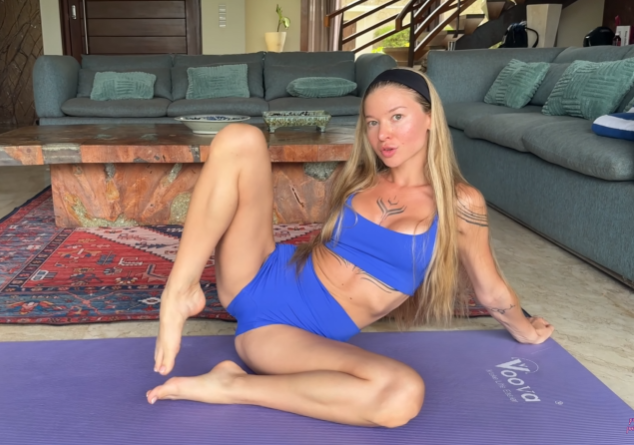
Transition into shoulder rolls. Inhale as you lift your shoulders toward your ears, then exhale as you roll them back and down. Repeat several times, then reverse the direction. This helps release stored tension in the upper body and improves circulation to the arms and upper spine.
Now come onto all fours for Cat–Cow Pose. Place your hands under your shoulders and knees under your hips. Inhale as you drop your belly, lift your chest, and gaze slightly upward—this is Cow Pose. Exhale as you round your spine, tuck your chin, and draw your belly in—Cat Pose. Move slowly between these two poses, synchronizing movement with breath. This gentle flow warms up the spine and increases flexibility along the entire back.
From all fours, shift back into Child’s Pose. Bring your big toes together, knees apart or together as comfortable, and lower your hips toward your heels. Stretch your arms forward or rest them alongside your body. Let your forehead rest on the mat. This pose gently stretches the lower back, hips, and shoulders while encouraging deep relaxation. Stay here for at least one minute, breathing slowly.
Rise back up and step into Downward-Facing Dog. Lift your hips high, forming an inverted “V” shape with your body. Keep your knees slightly bent if your hamstrings feel tight. Press your hands firmly into the mat and lengthen your spine. This pose stretches the calves, hamstrings, shoulders, and back all at once. Pedal your feet gently, bending one knee at a time, to deepen the stretch in the legs.
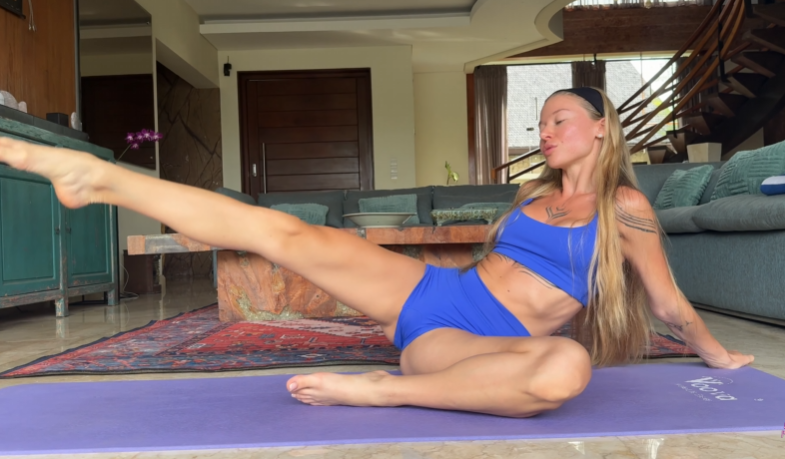
From Downward Dog, step one foot forward into a Low Lunge. Lower your back knee to the mat and sink your hips gently forward. This stretch opens the hip flexors, which often become tight from prolonged sitting. Raise your arms overhead if comfortable, keeping your shoulders relaxed. Breathe deeply and feel the expansion through the front of your body. Switch sides after several breaths.
Next, straighten your front leg and shift your hips back into a Half Split. Flex your front foot and fold gently over the leg, keeping your spine long. This provides a deep stretch for the hamstrings without forcing the body. Remember, flexibility develops gradually—never push into pain.
Come back to standing and move into a Forward Fold. Hinge at the hips and let your upper body hang heavy over your legs. Bend your knees as much as needed. This pose releases tension in the spine, neck, and hamstrings. Gently sway side to side, allowing gravity to do the work.
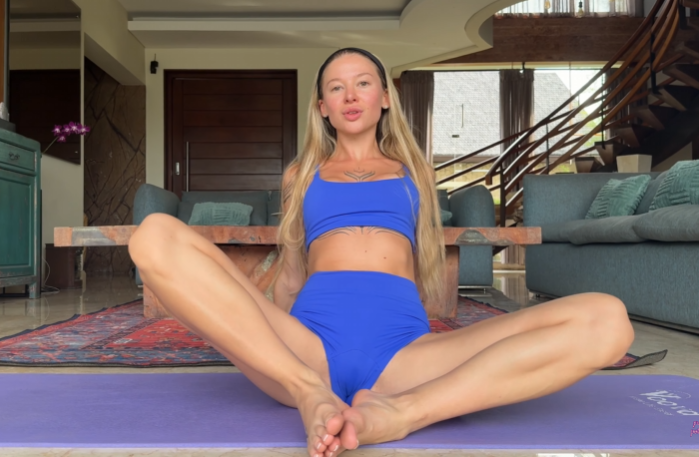
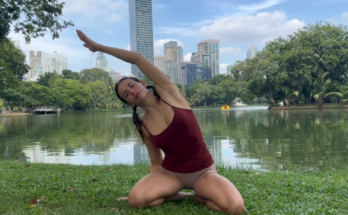
Slowly roll up to standing, one vertebra at a time. Take a moment to notice how your body feels. From here, step your feet wide and move into a gentle side stretch. Reach one arm overhead and lean to the opposite side, stretching through the ribs and waist. Switch sides, breathing into any areas of tightness.
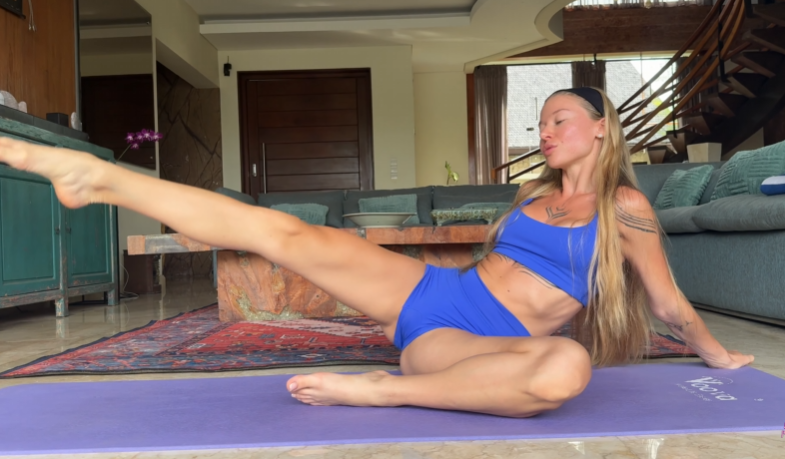
Lower yourself to the mat and lie on your back. Hug your knees into your chest, rocking gently side to side to massage the lower back. Then extend one leg straight and draw the other knee toward your chest for a supine hamstring stretch. Switch legs after several breaths.
Move into a Reclined Spinal Twist by drawing one knee across your body and extending your arms wide. Allow your spine to gently twist while keeping both shoulders relaxed. Twists improve spinal mobility and aid digestion while releasing tension in the back.
Finally, prepare for Savasana, the final relaxation. Extend your legs comfortably, arms resting at your sides with palms facing up. Close your eyes and allow your entire body to sink into the mat. Let go of any effort. Observe your breath without trying to change it. This is where the benefits of your practice settle deeply into the body and mind.
Remain in Savasana for several minutes. When you’re ready, gently wiggle your fingers and toes, roll onto your side, and slowly come up to a seated position. Take one final deep breath in and exhale fully.
A full-body stretching and relaxing yoga routine like this not only improves flexibility but also nurtures mental calm and emotional balance. Practiced regularly, it helps you move with greater ease, breathe more freely, and carry a sense of relaxation into your daily life. The true goal of flexibility is not how far you can stretch, but how gently an