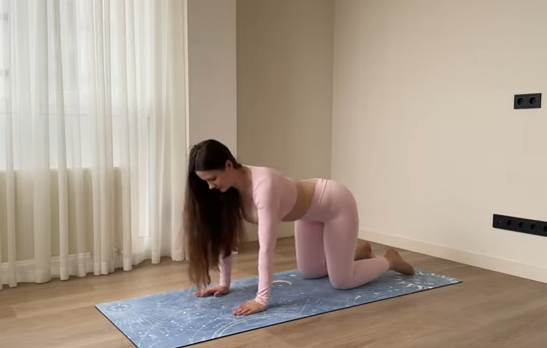
In today’s world, many people spend long hours sitting at desks, looking down at phones, or carrying heavy backpacks. These habits can slowly create stiffness in the neck and upper back, leading to poor posture, discomfort, and reduced mobility. Yoga offers gentle and effective tools to counter these problems. One simple but powerful movement is Tabletop Rotation, a pose that helps release tension, improve spinal mobility, and support healthier posture.
This article will guide you through the benefits of Tabletop Rotation, how to practice it safely, and how it can become part of a daily routine to care for your neck and upper back.
Why the Neck and Upper Back Get Stiff
The neck and upper back are designed to move freely, but modern lifestyles often limit that movement. Sitting for long periods causes the shoulders to round forward and the head to drift in front of the body. Over time, muscles in the chest become tight, while muscles in the upper back and neck become overworked and tense.
Stress also plays a role. When people feel stressed, they often unconsciously lift their shoulders or tighten their jaw, which increases tension in the neck. Without regular movement and stretching, this tension can build up, making it harder to maintain good posture and comfort.
Yoga helps by encouraging mindful movement, steady breathing, and balanced muscle use.
What Is Tabletop Rotation?
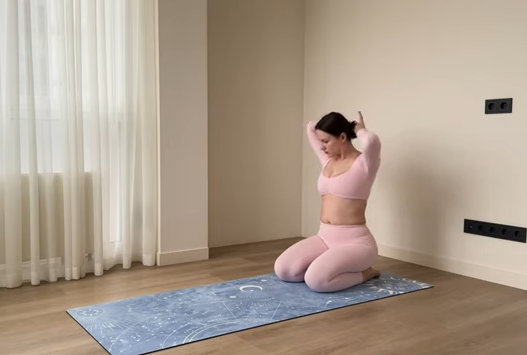
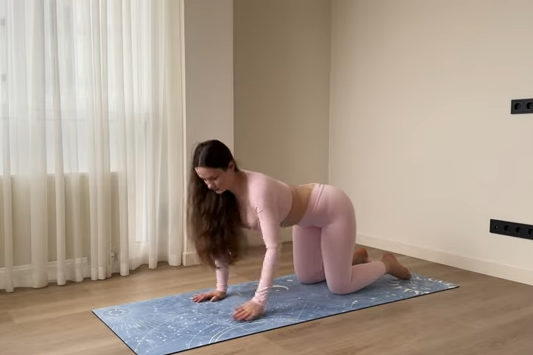
Tabletop Rotation is a gentle spinal twist performed from a hands-and-knees position, known as Tabletop Pose. The movement focuses on rotating the upper spine while keeping the hips stable. This allows the neck, shoulders, and upper back to move in a controlled and safe way.
Unlike deep twists done while standing or sitting, Tabletop Rotation is supported by the floor, making it accessible for beginners and suitable for people of many ages.
Benefits of Tabletop Rotation
Practicing Tabletop Rotation regularly can offer many benefits:
- Reduces neck and upper back stiffness by gently moving the spine through rotation
- Improves posture by strengthening muscles that support the spine
- Increases mobility in the shoulders and upper back
- Encourages better breathing by opening the chest
- Relieves tension caused by stress and long periods of sitting
- Builds body awareness, helping you notice habits like slouching
Because the movement is slow and controlled, it is especially useful for people who feel tight or uncomfortable in the upper body.
How to Practice Tabletop Rotation
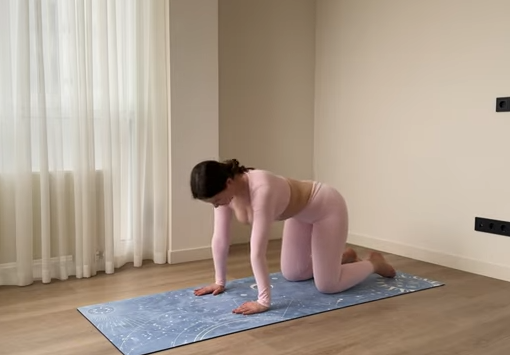
Follow these steps carefully, moving with awareness and ease:
- Start in Tabletop Pose
Come onto your hands and knees on a yoga mat or soft surface. Place your wrists under your shoulders and your knees under your hips. Keep your spine neutral, not arched or rounded. Gaze down at the mat to keep your neck long. - Ground Through Your Hands
Spread your fingers wide and gently press your palms into the mat. This helps support your shoulders and keeps the movement stable. - Inhale to Prepare
Take a slow, deep breath in. Feel your spine lengthen from tailbone to the top of your head. - Exhale and Rotate
As you exhale, lift one hand and place it lightly behind your head or on the side of your neck. Begin to rotate your chest gently toward that side, letting your elbow open outward. The movement should come from the upper back, not forcefully from the neck. - Inhale and Return
Slowly inhale as you rotate back to center, bringing your elbow toward the floor. - Repeat the Movement
Continue rotating open on the exhale and returning on the inhale for 5–8 slow breaths. - Switch Sides
Place your hand back on the mat and repeat the sequence on the other side.
Move slowly and keep your breath steady. The goal is smooth, comfortable motion—not pushing to the maximum range.
Common Mistakes to Avoid
To get the most benefit and stay safe, watch out for these common mistakes:
- Forcing the twist instead of moving gently
- Dropping weight into one shoulder, which can cause strain
- Holding the breath, which increases tension
- Moving too fast, reducing the effectiveness of the stretch
Remember, yoga is about quality of movement, not how far you can twist.
Modifications and Tips
If you feel discomfort or want extra support, try these options:
- Keep your lifting hand on the floor instead of behind your head
- Place a folded towel under your knees for comfort
- Reduce the range of motion and focus on breath
- Keep your gaze soft and relaxed instead of forcing it upward
These adjustments make the pose more accessible while still providing benefits.
How Tabletop Rotation Improves Posture
Good posture depends on balance. Tabletop Rotation helps by strengthening the muscles between the shoulder blades and increasing awareness of spinal alignment. As these muscles become more active, it becomes easier to sit and stand upright without strain.
The pose also opens the chest, counteracting the forward rounding that often comes from using phones and computers. Over time, this can lead to a more natural, comfortable posture.
Making It a Daily Habit
You don’t need a long yoga session to feel the benefits. Practicing Tabletop Rotation for just 3–5 minutes a day can make a noticeable difference. It works well:
- In the morning to loosen stiffness
- During study or work breaks
- After long periods of sitting
- As part of a gentle yoga routine
Consistency matters more than intensity.
Conclusion
Tabletop Rotation is a simple yet effective yoga movement for caring for the neck and upper back. By gently rotating the spine, releasing tension, and improving posture, this pose supports both physical comfort and overall well-being.
Whether you are new to yoga or looking for an easy way to stay flexible, Tabletop Rotation is a valuable addition to your routine. With mindful breathing and regular practice, it can help you move through your day with greater ease, comfort, and confidence.