Stretching is one of the most natural and essential forms of movement. We stretch when we wake up; we stretch when we feel stiff; we stretch instinctively when our bodies crave space and relief. Yet many people underestimate how transformative a simple daily stretching routine can be. Whether you’re beginning a fitness journey, recovering from long hours at a desk, or simply wanting to feel lighter and more flexible, stretching offers an easy, effective, and accessible path toward better health.
You don’t need a gym membership, equipment, or advanced skills. You don’t even need much space—just a quiet spot at home and a willingness to move gently. This guide introduces the best beginner-friendly stretches that loosen tight muscles, improve mobility, boost circulation, and relieve stress.
Let’s explore the basics.
Why Stretching Matters
Before diving into the movements, it’s important to understand why stretching is so beneficial—especially for beginners.
Stretching helps to:
- Increase flexibility and range of motion
- Improve posture
- Reduce muscle tightness and soreness
- Boost circulation
- Decrease stress and tension
- Enhance balance and mobility
- Support better sleep
- Prevent injury during daily activities
For beginners, the goal isn’t to perform deep or advanced stretches. The goal is to listen to the body, move gently, and build a consistent habit. Every stretch, no matter how simple, is a step toward healthier muscles and joints.
Warm-Up: Preparing Your Body for Stretching
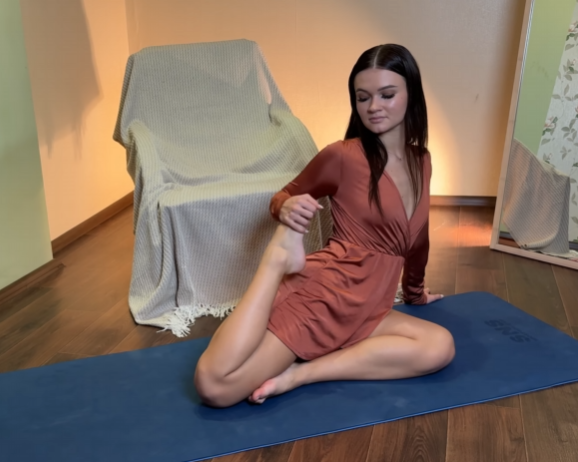
Even light stretching benefits from a brief warm-up. Warming the muscles increases elasticity and reduces the risk of strain.
Here are two quick warm-up options:
1. March in Place (30–60 seconds)
Lift your knees softly and swing your arms. Keep your movements light and steady. This gets the blood flowing.
2. Gentle Joint Rotations
- Roll your shoulders
- Circle your wrists
- Rotate your ankles
- Turn your head gently side to side
These movements wake up your joints and prepare them for deeper stretching.
Once your body feels a little warmer, you’re ready to begin.
Full Body Beginner Stretches
These stretches target major muscle groups and are ideal for anyone—especially those new to stretching or returning after a long break.
Move slowly, breathe deeply, and never push into sharp pain.
1. Neck Stretch
The neck holds a surprising amount of tension, especially from phone use, computer work, and stress.
How to Do It:
- Sit or stand tall.
- Gently tilt your right ear toward your right shoulder.
- Hold for 20–30 seconds.
- Switch sides.
Benefits: Relieves upper-shoulder tension, improves posture, reduces headaches caused by neck tightness.
2. Shoulder Stretch
This simple stretch helps open the upper body.
How to Do It:
- Extend your right arm across your chest.
- Use your left hand to gently pull the arm closer.
- Keep your shoulders relaxed.
- Hold for 20–30 seconds.
- Switch arms.
Benefits: Releases shoulder tension, improves mobility, great for relieving stiffness from sitting.
3. Chest Opener
Long hours sitting or leaning forward cause the chest to tighten.
How to Do It:
- Stand tall or kneel.
- Interlace your fingers behind your back.
- Straighten your arms and lift your chest gently.
- Hold for 20–30 seconds.
Benefits: Counteracts hunching, expands breathing capacity, improves posture.
4. Cat–Cow Stretch
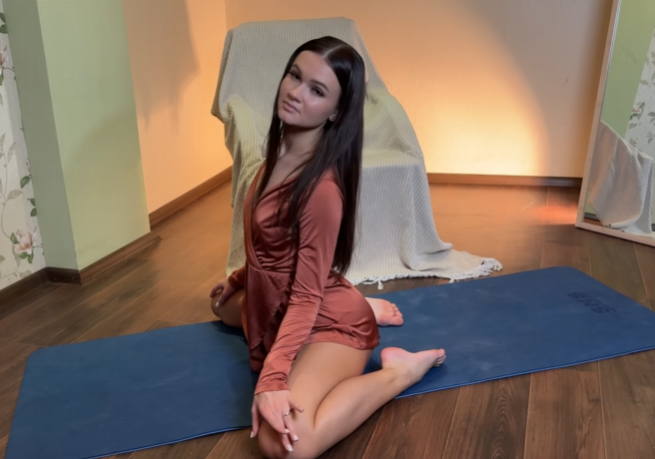
This gentle spine movement is essential for beginners.
How to Do It:
- Begin on your hands and knees.
- Inhale, arch your back, lift your chest (Cow Pose).
- Exhale, round your spine toward the ceiling (Cat Pose).
- Repeat for 8–10 rounds.
Benefits: Loosens the spine, relieves lower-back tension, increases mobility.
5. Side Body Stretch
Your side body often gets tight from daily activities and sitting.
How to Do It:
- Sit or stand.
- Raise your right arm and lean gently to the left.
- Hold for 20–30 seconds.
- Switch sides.
Benefits: Opens the ribs, improves breathing, stretches the waist and obliques.
6. Hip Flexor Stretch
Sitting tightens the front of the hips, leading to lower-back pain.
How to Do It:
- Kneel on your right knee; step your left foot forward into a lunge.
- Keep your chest lifted.
- Lean forward slightly until you feel a gentle stretch in the front of your right hip.
- Hold 20–30 seconds.
- Switch legs.
Benefits: Relieves tight hips, improves posture, helps with back discomfort.
7. Hamstring Stretch
Tight hamstrings can limit movement and strain the lower back.
How to Do It:
- Sit with your legs extended.
- Flex your feet.
- Inhale, lengthen your spine.
- Exhale, fold forward gently.
- Hold for 20–30 seconds.
Benefits: Lengthens the back of the legs, reduces stiffness, supports better mobility.
8. Glute & Piriformis Stretch (Figure Four)
This stretch targets deep hip muscles that often cause discomfort.
How to Do It:
- Lie on your back.
- Cross your right ankle over your left knee.
- Pull your left thigh toward your chest.
- Hold 20–30 seconds.
- Switch sides.
Benefits: Relieves hip tension, eases sciatic discomfort, supports lower-body flexibility.
9. Quad Stretch
Your quadriceps support much of your daily movement.
How to Do It:
- Stand near a wall for balance.
- Bend your right knee and hold your ankle.
- Gently pull your heel toward your glutes.
- Keep knees close together.
- Hold 20–30 seconds.
- Switch legs.
Benefits: Loosens the front thighs, improves knee health, supports overall leg mobility.
10. Full Body Stretch

End your routine with a stretch that lengthens everything.
How to Do It:
- Stand tall.
- Reach your arms overhead.
- Stretch upward as if lengthening your whole body.
- Take deep breaths.
- Hold 10–15 seconds.
Benefits: Improves circulation, resets posture, leaves your body refreshed.
Tips for Beginners
To make stretching both safe and effective:
✔ Start slow
Your muscles need time to warm up and adapt.
✔ Breathe deeply
Breath helps muscles relax and enhances each stretch.
✔ Never bounce
Bouncing can cause injury. Smooth, steady movements are safest.
✔ Stop if it hurts
Stretching should feel relieving—not painful.
✔ Be consistent
Even 5–10 minutes a day creates noticeable improvements.
✔ Listen to your body
Every day feels different; adapt your routine accordingly.
The Reward of Stretching Daily
Stretching might seem simple, but its effects are profound. Over time, you will begin to notice:
- Less stiffness in the morning
- Better posture at work
- Fewer aches during daily activities
- Increased energy
- A calmer, clearer mind
You’ll start moving more freely, breathing more deeply, and feeling more at home in your body.
Stretching is not just exercise—it’s self-care. It’s a gentle reminder that your body deserves attention, kindness, and movement.