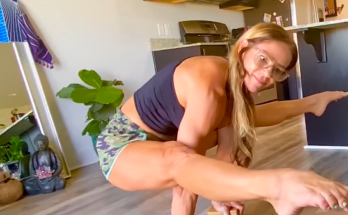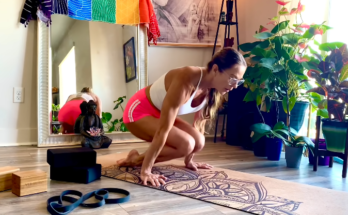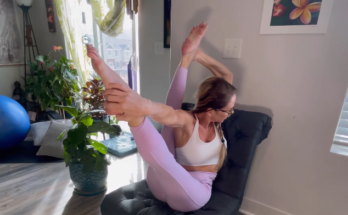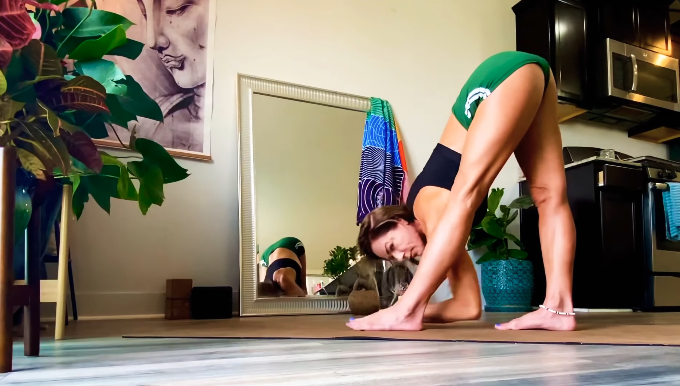
Advanced yoga practices often combine strength, balance, flexibility, and concentration into one powerful experience. Among the most challenging and impressive movements are arm inversions combined with forward frontbends, leg-behind-head positions, and lotus pose variations. These advanced techniques demand not only physical flexibility but also patience, discipline, and deep body awareness.
For experienced practitioners, these poses represent the beautiful connection between strength and softness. The body must remain strong enough to support its weight during inversions while also being flexible enough to fold deeply into complex shapes.
Understanding Arm Inversions
Arm inversions are yoga poses where the body is supported primarily by the arms while the legs lift off the ground. These poses require significant strength in the shoulders, arms, wrists, and core muscles.
Examples of arm inversion poses include:
- Handstands
- Forearm stands
- Arm balances such as crow pose or peacock pose
When performing these movements, the body must stay stable and aligned. The shoulders act as the primary support system while the core muscles keep the body balanced and controlled.
Arm inversions challenge the body in a unique way because they reverse the usual relationship with gravity. Instead of standing on the feet, practitioners rely on their upper body strength and coordination.
Combining Inversions with Forward Frontbends
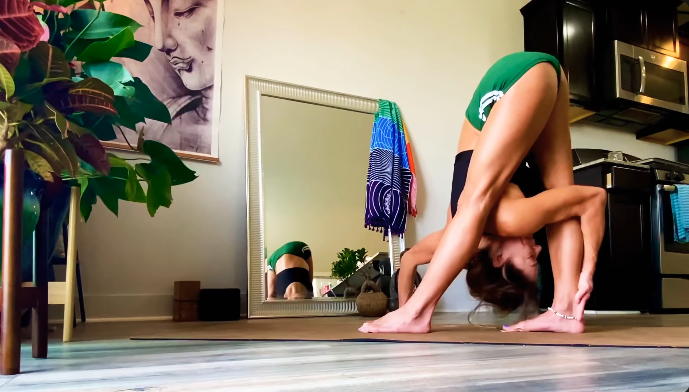
Adding a forward frontbend to an arm inversion increases the difficulty and complexity of the movement. Forward bends involve folding the torso toward the legs, stretching the spine and the muscles along the back of the body.
In advanced sequences, practitioners may transition from an inverted position into a deep fold, maintaining control throughout the movement. This combination requires flexible hamstrings, strong abdominal muscles, and excellent balance.
Forward bending while inverted also demands careful breathing and focus. The practitioner must maintain stability while allowing the body to relax into the stretch.
Leg Behind Head Positions
One of the most advanced elements of yoga flexibility is the leg-behind-head position. This posture involves lifting one leg and placing it behind the neck or head while maintaining balance and control.
Achieving this position requires:
- Deep hip flexibility
- Mobile hamstrings
- A strong and flexible spine
- Stable core muscles
Many practitioners spend years preparing for this level of flexibility. The hips must open gradually through consistent stretching and strengthening exercises.
Common preparatory stretches include:
- Seated forward folds
- Pigeon pose
- Hip-opening lunges
- Deep hamstring stretches
Over time, these exercises increase range of motion and allow the leg to move higher toward the shoulders and neck.
The Beauty of Lotus Pose
Another important element often integrated into advanced yoga practice is Lotus Pose, a classic meditative posture known for its symmetry and stability.
In lotus pose, each foot rests on the opposite thigh, creating a cross-legged position that locks the legs into place. This posture requires open hips and flexible knees, but once mastered it provides a stable base for meditation and advanced movements.
When lotus pose is incorporated into arm inversions or advanced balances, the result is both visually impressive and physically demanding.
For example, some advanced yoga practitioners perform:
- Handstands in lotus pose
- Arm balances with legs in lotus
- Transitions between lotus and other complex positions
These movements require extraordinary control and strength.
The Role of Core Strength
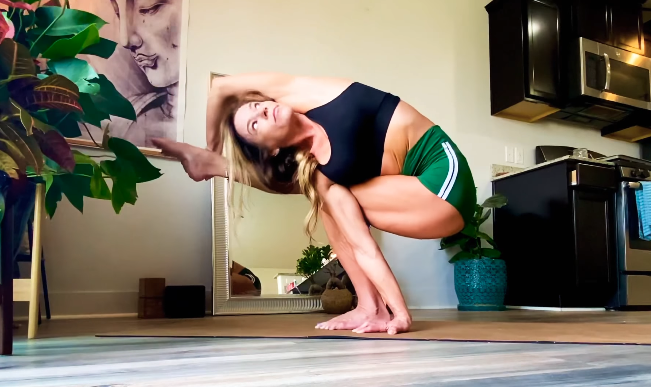
Core muscles play a crucial role in advanced yoga techniques. The core stabilizes the spine and helps maintain alignment during difficult poses.
Without core engagement, the body may lose balance or collapse during inversions or leg-behind-head positions.
Exercises that strengthen the core include:
- Plank holds
- Boat pose
- Leg raises
- Hollow body holds
These movements train the abdominal and lower back muscles to support complex positions.
Flexibility Training
Flexibility is equally important when performing advanced yoga poses. The hips, hamstrings, shoulders, and spine must all move freely to achieve the necessary range of motion.
A typical flexibility routine might include:
- Long hamstring stretches
- Hip openers such as lizard pose
- Shoulder mobility exercises
- Gentle backbends
Regular stretching helps prevent injuries and prepares the body for more demanding movements.
It is important to approach flexibility training gradually. The body responds best when stretches are practiced consistently over time rather than forced aggressively.
Breath and Mental Focus
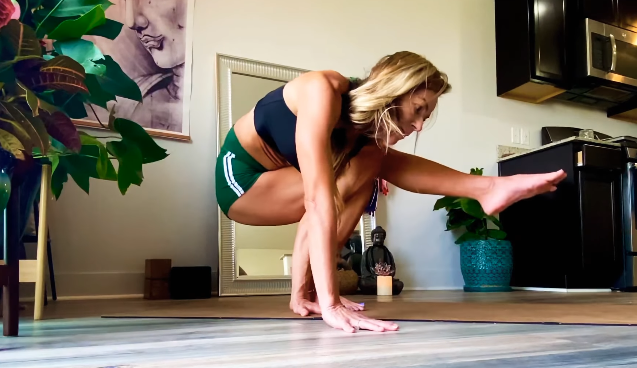
Advanced yoga is not only about physical skill; it also involves deep mental concentration.
When attempting challenging poses such as arm inversions or leg-behind-head positions, calm breathing is essential. Slow, controlled breaths help maintain relaxation in the muscles and prevent unnecessary tension.
Mental focus also helps the practitioner stay balanced and aware of body alignment. Even a small shift in attention can affect stability during an inversion.
Yoga teaches practitioners to remain present in each movement, connecting breath with motion.
Safety and Proper Practice
Because these poses are highly advanced, they should be approached with caution. Practitioners are encouraged to develop a strong foundation in basic yoga postures before attempting complex variations.
Working with experienced instructors can also help ensure proper alignment and safe technique.
Listening to the body is critical. Stretching sensations are normal, but sharp pain should always be avoided.
The goal of advanced yoga is not to push the body beyond its limits but to gradually expand its capabilities with patience and respect.
The Artistic Side of Advanced Yoga
Beyond physical training, advanced yoga poses often resemble a form of moving art. The combination of strength, flexibility, and balance creates shapes that appear graceful and fluid.
Arm inversions with forward folds, lotus positions, and leg-behind-head poses demonstrate the extraordinary adaptability of the human body.
For many practitioners, achieving these poses is not simply about performance. It is about personal growth, discipline, and the joy of exploring what the body can do.
A Path of Dedication
Advanced yoga practice requires dedication and consistency. Progress may come slowly, but each small improvement builds toward greater mastery.
Some days may feel challenging, while others reveal new breakthroughs in flexibility or balance.
Through continued practice, practitioners learn patience, resilience, and body awareness.
Ultimately, advanced arm inversions combined with forward frontbends, lotus pose, and leg-behind-head positions represent the harmony between strength and flexibility.
They remind us that with time, focus, and care, the body is capable of extraordinary movement and balance.