Forward bending is one of the most powerful and misunderstood aspects of yoga and fitness. Often seen simply as a stretch for the hamstrings, forward bends actually influence the entire body—from the soles of the feet to the crown of the head—and have a profound effect on the nervous system. A well-guided forward bending session can increase flexibility, release deeply held tension, and calm both body and mind.
This session is designed to help you safely and gradually increase your range of flexibility through mindful movement, breath awareness, and intelligent alignment. Forward bends are not about forcing your body into shapes. They are about creating space, building patience, and allowing flexibility to develop over time.
Begin by setting the tone for your practice. Find a quiet space where you can move without interruption. Stand with your feet hip-width apart, knees soft, arms resting by your sides. Close your eyes and take three slow breaths. Inhale through your nose, feeling the breath travel down into your belly. Exhale fully, letting go of any expectations about how far you “should” be able to bend.
Forward bending begins with the spine, not the legs. With that in mind, start by gently mobilizing your back. Place your hands on your thighs and inhale, lifting your chest and slightly arching the spine. Exhale, rounding the back and drawing the chin toward the chest. Repeat this movement several times, syncing motion with breath. This warms up the spine and prepares it for deeper flexion.
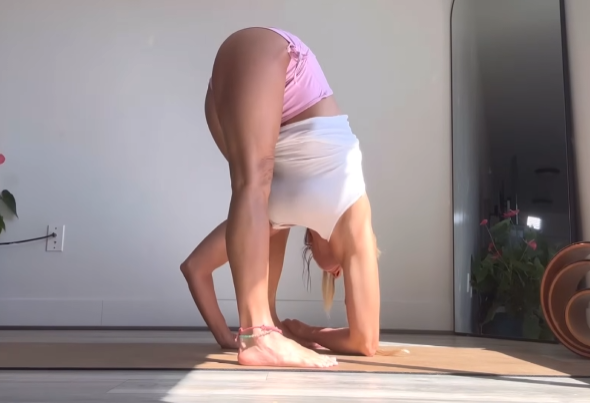
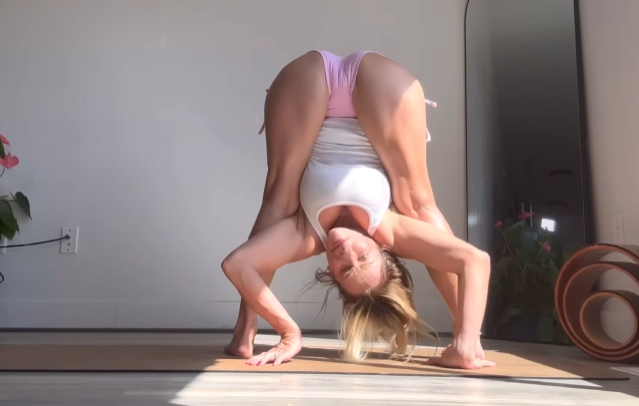
Next, move into a gentle standing forward fold. Inhale and raise your arms overhead, lengthening your body. Exhale and hinge at the hips, folding forward with control. Bend your knees generously, especially if your hamstrings are tight. Let your upper body hang heavy, arms relaxed, head dropped. This version of forward bend allows the spine to release without strain.
Stay here for several breaths. With each inhale, feel your back expand. With each exhale, imagine tension draining out of your spine, hips, and legs. You may gently sway side to side or shift your weight forward and back to find areas of tightness.
Slowly roll up to standing, stacking the spine one vertebra at a time. Pause at the top, noticing the sensations in your body. Many people feel a sense of warmth or length after even this simple movement.
To deepen flexibility safely, begin dynamic forward bending. Inhale, lift your arms. Exhale, fold forward. Inhale, lift halfway, lengthening the spine with hands on shins or thighs. Exhale, fold again. Repeat this flowing motion several times. This dynamic approach improves range of motion more effectively than holding deep stretches too early.
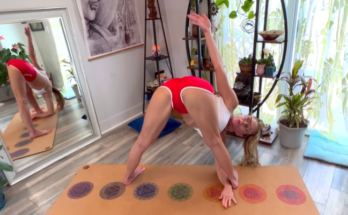
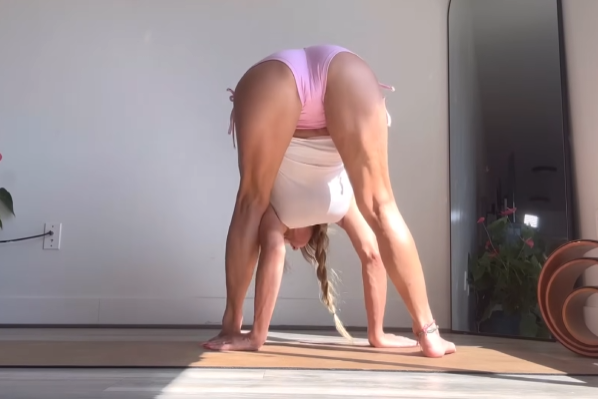
Now step your feet slightly wider and place your hands on your hips. Inhale to lengthen the spine. Exhale to hinge forward, keeping your back long. Stop when you feel the stretch begin in the hamstrings and hips. Hold here, maintaining length in the spine rather than collapsing downward. This position teaches the body how to bend forward with control and awareness.
To increase hamstring flexibility, gently straighten one leg while keeping the other slightly bent. Hold for a breath or two, then switch sides. This alternating movement targets each leg individually and reduces the risk of overstretching.
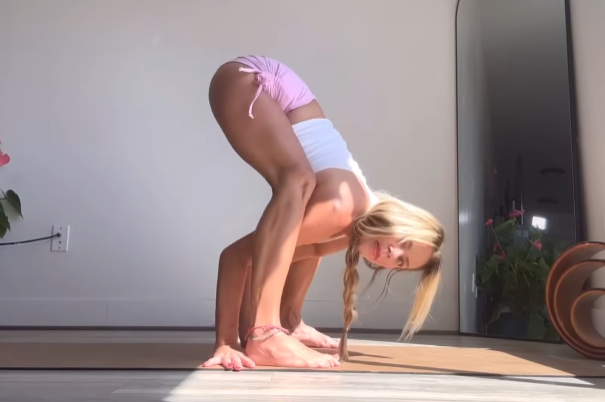
Lower your hands toward the floor or onto yoga blocks if available. Remember, flexibility is not measured by how far your hands go, but by how well your body responds. Keep the breath smooth and steady.
Transition down to the mat for seated forward bends. Sit with your legs extended in front of you, feet flexed gently. Sit tall, placing your hands beside your hips. Inhale to lift and lengthen the spine. Exhale to hinge forward from the hips, reaching toward your legs.
Pause where you feel a stretch, not pain. Keep the chest open and the spine long. If you feel your back rounding excessively, back off slightly. You may use a strap or towel around your feet to support the posture without forcing it.
Stay in this seated forward fold for several breaths. Forward bends stimulate the parasympathetic nervous system, encouraging relaxation and reducing stress. Allow your body to soften gradually rather than pushing deeper.
Next, bend your right knee and place the sole of your foot against your left inner thigh. Inhale to lengthen. Exhale to fold over the extended leg. This asymmetrical forward bend helps address imbalances in flexibility between sides. Switch sides after a few breaths.
To further enhance hip flexibility, move into a wide-leg seated forward bend. Open your legs comfortably, not to the maximum. Inhale, lift the chest. Exhale, hinge forward, walking your hands out in front of you. Keep your spine long and your breath calm. This stretch targets the inner thighs and lower back.
Hold this posture, breathing deeply. If your flexibility allows, you may lower onto your forearms or rest your head on a block. The goal is to remain relaxed, not to strain.
From seated, transition onto your back. Hug your knees into your chest, gently rocking side to side. This movement releases tension in the lower back after forward bending.
Extend one leg up toward the ceiling and hold behind the thigh or calf. Gently draw the leg toward you, stretching the hamstrings. Keep the opposite leg bent or extended, depending on comfort. Switch sides after several breaths. This reclined stretch allows for greater control and is ideal for increasing flexibility without spinal compression.
For a deeper release, bring both legs up and hold behind the thighs, gently drawing them toward you. Keep your shoulders relaxed and your neck long.
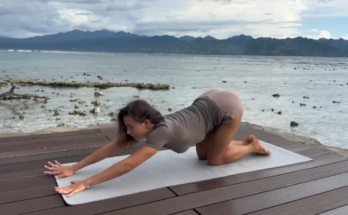
Finish your session with a calming forward bend designed for integration. From seated, come into a gentle child’s pose: knees bent, torso folded over thighs, arms extended or resting by your sides. Allow your forehead to rest on the mat or a cushion. This posture soothes the nervous system and allows the body to absorb the benefits of the practice.
Stay here for one to two minutes, breathing slowly. Feel your back expand with each inhale and soften with each exhale.
When you are ready to come out, slowly rise to a seated position. Sit quietly for a moment and notice the changes in your body. You may feel lighter, more open, and more at ease.
Forward bending sessions are most effective when practiced consistently. Even a short daily practice can lead to noticeable improvements in flexibility over time. Remember that flexibility is not linear—some days will feel easier than others. Respect your body’s limits and progress will come naturally.
In yoga and fitness, forward bends teach patience and humility. They remind us that true progress happens when we slow down, breathe deeply, and listen closely. By approaching forward bending with mindfulness and care, you not only increase your range of flexibility—you cultivate balance, calm, and resilience that extend far beyond the mat.