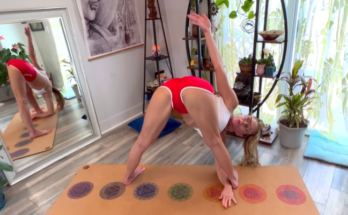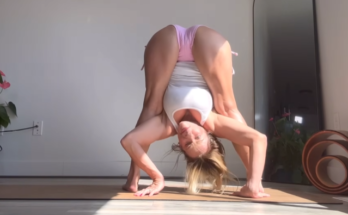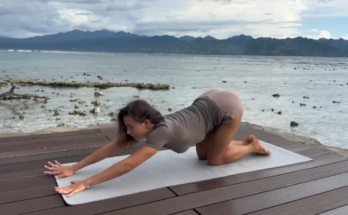

Maintaining mobility in the spine and hips is essential for overall health, movement efficiency, and a pain-free life. In today’s sedentary world, many people experience stiffness, tightness, or discomfort in these areas due to prolonged sitting, repetitive movements, or inadequate stretching. Adrian’s Yoga presents a focused practice designed to improve spine and hip mobility, release tension, and cultivate awareness of the body. This session emphasizes safe, deliberate movement, mindfulness, and gradual progression to restore flexibility and strength.
Why Spine and Hip Mobility Matters
The spine and hips are central to nearly every movement we perform. The spine provides structural support, enables rotation, and protects the spinal cord. Healthy spinal mobility allows for fluid posture transitions, optimal breathing, and reduced risk of injury. The hips, being the largest ball-and-socket joints in the body, play a critical role in walking, bending, twisting, and maintaining balance. Tight hips can lead to compensatory movement patterns, lower back pain, and decreased athletic performance.
By focusing on both spine and hip mobility together, this practice addresses the interconnected nature of these regions. Improved hip flexibility reduces strain on the lumbar spine, while a mobile spine distributes movement more evenly across the body. The result is greater freedom, less pain, and enhanced functional movement.
Preparing for the Practice
To begin, find a quiet space where you can move freely. Use a yoga mat or soft surface to protect your knees, spine, and hips. Wear clothing that allows full range of motion, and have a yoga block or bolster handy if needed for support.
Start by taking a few deep breaths in a comfortable seated or standing position. Bring awareness to your spine from the base of the pelvis to the top of the head. Notice areas of tension, tightness, or discomfort. Then shift your attention to the hips, scanning for any stiffness or restriction. This initial body scan primes your mind for mindful movement, setting the stage for the session.
Step 1: Cat-Cow Flow

The cat-cow sequence is a fundamental spine-mobility exercise. Begin on your hands and knees in a tabletop position, ensuring wrists are aligned under shoulders and knees under hips.
- Cow Pose: Inhale as you arch your back, lifting the chest and tailbone toward the ceiling. Allow the belly to soften, creating a gentle extension of the spine.
- Cat Pose: Exhale as you round the back, tucking the chin toward the chest and drawing the navel in toward the spine.
Move slowly and rhythmically between these positions for 8–10 breaths, focusing on articulating each vertebra individually. This flow warms up the spine, increases fluidity between segments, and engages the core muscles to support movement. Pay attention to how your hips move in coordination with the spine, feeling subtle adjustments as tension releases.
Step 2: Thread the Needle
To target the thoracic spine and improve rotational mobility, move into Thread the Needle. From tabletop, inhale as you reach your right arm up toward the ceiling, opening the chest. Exhale as you thread the arm under the body, lowering the shoulder and temple toward the mat.
Hold for a few breaths, feeling a gentle twist through the upper and middle back. Return to center and repeat on the left side. This exercise enhances spinal rotation, stretches the shoulders and upper back, and encourages movement in the mid-spine, which often becomes stiff due to prolonged sitting.
Step 3: Hip Circles and Pelvic Tilts
Hip mobility is equally important for reducing lower back tension and improving movement efficiency. Begin seated or standing, depending on comfort.
- Pelvic Tilts: Gently rock the pelvis forward and backward, allowing the lower spine to flex and extend. Focus on small, controlled movements, gradually increasing range as tension eases.
- Hip Circles: Rotate the hips in slow circles, first clockwise and then counterclockwise. Visualize drawing a smooth, circular motion through the hip joints, releasing tightness in the hip flexors, glutes, and surrounding musculature.
These movements encourage awareness of the hip joints and their connection to the spine. Tight hip flexors or glutes can cause compensatory patterns in the lumbar spine, so regular mobility work in this area is essential for long-term spinal health.
Step 4: Low Lunge Hip Openers

Low lunges are excellent for stretching the hip flexors and strengthening hip stability. Step your right foot forward into a lunge, keeping the left knee on the mat. Square the hips forward and inhale as you lift the arms overhead, elongating the spine.
Exhale as you gently press the hips forward, feeling a stretch along the front of the left hip. Hold for 5–6 breaths, then switch sides. For added spinal mobility, incorporate gentle side bends or slight backbends while in the lunge, moving mindfully with each inhale and exhale.
Step 5: Seated Spinal Twists
Seated twists help mobilize the thoracic and lumbar spine while opening the chest and shoulders. Sit cross-legged or in a comfortable seated position. Inhale to lengthen the spine, then exhale as you twist gently to the right, placing the left hand on the outside of the right thigh and the right hand behind you for support.
Hold the twist for 3–5 breaths, keeping the spine long and avoiding forcing the rotation. Return to center and repeat on the opposite side. Twists improve spinal flexibility, stimulate circulation, and relieve tension in the torso and hips.
Step 6: Bridge Pose with Hip Lift
Bridge pose strengthens the glutes, hamstrings, and lower back while improving mobility in the lumbar spine. Lie on your back with knees bent and feet hip-width apart. Press into your feet and lift the hips toward the ceiling, creating a gentle arch in the spine.
For added mobility, perform small, controlled pulses or lift one leg at a time while maintaining stability. Focus on breathing deeply into the back body, feeling expansion through the chest, spine, and hips. Lower slowly, then repeat 3–5 times. This movement strengthens supporting muscles while enhancing the flexibility and resilience of the spine and hips.
Step 7: Pigeon Pose & Hip Stretch
Pigeon pose is a deeper hip opener that targets the glutes, piriformis, and external rotators. From a downward-facing dog or tabletop, bring the right knee forward and place it near the right wrist, extending the left leg behind you. Square the hips forward and fold gently over the right leg, relaxing the torso toward the mat.
Breathe into any areas of tightness, allowing the body to soften gradually. Hold for 5–8 breaths, then switch sides. This pose releases deep-seated tension in the hips that often affects spinal alignment, improving both flexibility and comfort.
Step 8: Supine Spinal Rolls
To further mobilize the spine and integrate hip movement, lie on your back with knees bent. Allow the knees to fall gently from side to side, creating a spinal twist while keeping the shoulders grounded. Move slowly and rhythmically with your breath, letting the pelvis and spine rotate naturally.
This movement increases mobility in the lumbar spine, stretches the obliques and lower back, and promotes relaxation. The combination of spinal rotation and hip engagement ensures that both regions work together harmoniously.
Step 9: Final Relaxation
Conclude the session with a restorative posture, such as Savasana (corpse pose) or supported reclining position. Lie on your back, arms relaxed at your sides, legs extended comfortably. Close your eyes and take slow, deep breaths, scanning the body for areas of warmth, looseness, and release.
Notice the changes in spinal and hip mobility. Observe how tension has shifted, muscles have softened, and the body feels more spacious. Even a few minutes of mindful rest allows the nervous system to integrate the practice, enhancing both physical and mental benefits.
Benefits of Spine and Hip Mobility Practice

- Improved posture: Regular mobility work aligns the spine and hips, reducing slouching and discomfort.
- Reduced back pain: Loosening tight muscles in the hips and spine alleviates pressure on the lumbar region.
- Enhanced movement efficiency: Greater mobility allows for smoother, safer movement in daily life and exercise.
- Stress relief: Mindful stretching and breath-focused practice reduce tension and promote relaxation.
- Injury prevention: Flexible and strong hips and spine protect joints and muscles during activity.
- Mind-body connection: Focusing on sensations and movement fosters awareness and mindfulness.
Tips for an Effective Practice
- Move mindfully, paying attention to sensations rather than forcing movement.
- Breathe deeply into tight areas to facilitate release.
- Use props like blocks, bolsters, or blankets for support when needed.
- Practice consistently—short daily sessions are more effective than occasional long sessions.
- Honor your limits—avoid pain, and modify poses as needed.
- Combine mobility work with strengthening exercises for long-term stability.
Bringing Mobility into Daily Life
Incorporate small mobility breaks throughout your day. Stand up, roll the shoulders, sway the hips, or perform gentle spinal twists to counteract prolonged sitting. Over time, these micro-practices prevent stiffness, improve circulation, and maintain spinal and hip health.
Adrian’s Yoga emphasizes that mobility is a lifestyle, not just a yoga session. Regular attention to spine and hip health supports movement efficiency, enhances comfort, and promotes overall well-being.
Conclusion
The Spine & Hips Mobility practice in Adrian’s Yoga is a holistic approach to improving flexibility, reducing tension, and cultivating a deeper connection with the body. Through mindful movement, breath awareness, and somatic engagement, this practice restores balance, supports healthy posture, and releases physical and emotional tension stored in the spine and hips.
Whether you are a beginner or an experienced practitioner, dedicating time to spine and hip mobility has transformative effects. Improved movement, reduced discomfort, and enhanced mind-body awareness are the rewards of consistent practice.
By prioritizing spine and hip health, you create a foundation for a more active, pain-free, and vibrant life. Adrian’s Yoga provides the tools, guidance, and sequences to help you reconnect with your body, explore your range of motion safely, and enjoy the freedom of fluid, expressive movement.