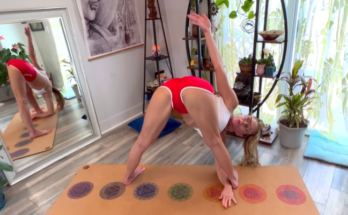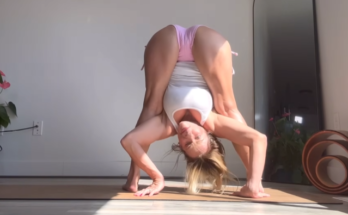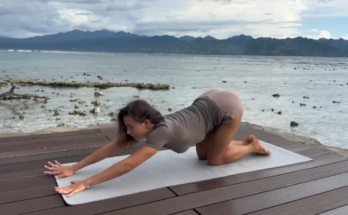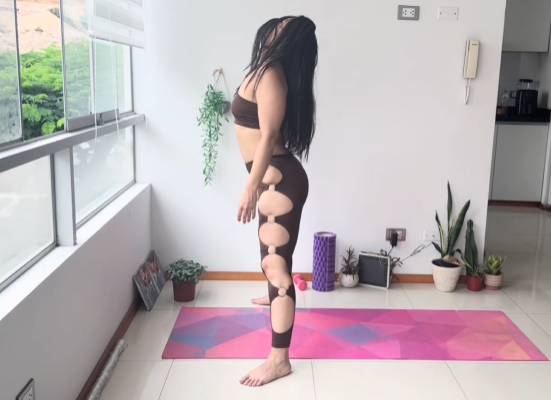
In a world that moves at an ever-increasing pace, it’s easy to lose touch with our own bodies. We rush through days, sit for hours, carry stress in our shoulders, clench our jaws, and forget to breathe. The mind dominates, while the body quietly accumulates tension and fatigue. Wild Yoga Flow, rooted in somatic practice, offers a transformative way to reconnect, release, and truly feel the body from the inside out. It is more than exercise—it is a holistic journey into awareness, presence, and self-discovery.
What is Wild Yoga Flow?
Wild Yoga Flow is a style of yoga that blends movement, breath, and mindfulness in a free, expressive way. Unlike traditional yoga sequences that focus on holding poses or achieving a specific alignment, wild yoga encourages exploration of movement as a form of communication with the body. It invites participants to follow the body’s impulses, listen to internal sensations, and allow spontaneous motions to emerge.
This approach aligns closely with somatic practices, which emphasize sensing, feeling, and experiencing the body rather than forcing it into preconceived forms. Somatics teaches us to cultivate awareness of subtle sensations, muscular tensions, and emotional imprints stored within the body. By tuning into these sensations, we gain insight into how stress, trauma, and daily habits affect posture, movement, and overall well-being.
Wild Yoga Flow creates a safe space for this exploration, combining the freedom of expression with intentional focus. It’s about letting the body lead, while the mind becomes a supportive observer.
Preparing for the Practice
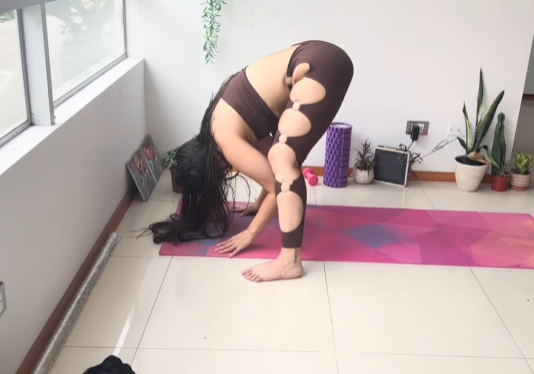
To start a Wild Yoga Flow session, create a comfortable environment. Clear a space where you can move freely. Use a yoga mat for grounding and padding, but allow yourself to move beyond it if needed. Wear loose, breathable clothing that allows full range of motion.
Set an intention for your practice. Perhaps you want to release tension from your shoulders, reconnect with your spine, or simply feel more present in your body. An intention guides the session without imposing rigidity, allowing the practice to remain fluid and personal.
Take a moment to arrive. Stand or sit comfortably, close your eyes, and bring attention to your breath. Notice its natural rhythm without trying to change it. Feel the rise and fall of your chest, the expansion of your belly, the flow of air in and out of your nostrils. Simply sensing your breath is the first step in reconnecting with your body.
Step 1: Grounding & Awareness
Begin with a grounding sequence. Stand with feet hip-width apart, knees slightly bent, and weight evenly distributed. Imagine roots extending from your feet into the earth. Feel the support of the ground beneath you. With each inhale, draw energy up from the earth. With each exhale, release tension into the floor.
Move slowly, letting your spine lengthen naturally. Gently roll your shoulders, rotate your wrists, and tilt your pelvis forward and back. These simple, somatic movements awaken body awareness, allowing you to feel areas that are tight, restricted, or sensitive.
Notice where your body resists movement. Perhaps your shoulders are tense, your lower back stiff, or your hips heavy. Simply acknowledge these sensations without judgment. Awareness itself is the first release.
Step 2: Spine Articulation & Flow
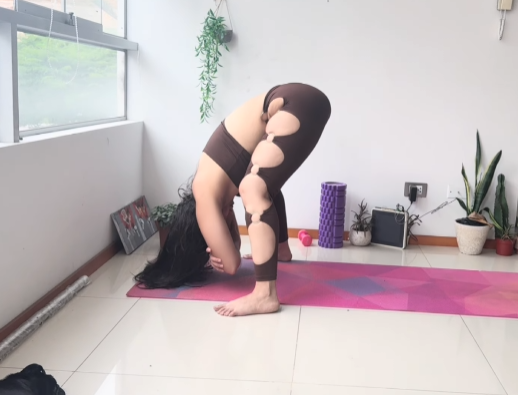
The spine is the central axis of the body, carrying both physical tension and emotional memory. Begin to explore gentle spinal articulation. Slowly roll down vertebra by vertebra, allowing the head and neck to follow the movement. Then roll back up, sensing the articulation in each segment.
Add circular movements, swaying side to side, twisting gently, or spiraling the torso. Follow your body’s impulses. Some moments may feel expansive and freeing; others may feel restricted and cautious. Both are valuable experiences. The goal is not to achieve perfection, but to feel and honor what arises in the body.
Breath accompanies every movement. Inhale into expansion, lengthening the spine. Exhale into release, softening tension. Wild Yoga Flow emphasizes the synchronicity of breath and movement, creating a meditative rhythm that calms the nervous system and encourages deep relaxation.
Step 3: Shoulder & Upper Body Release
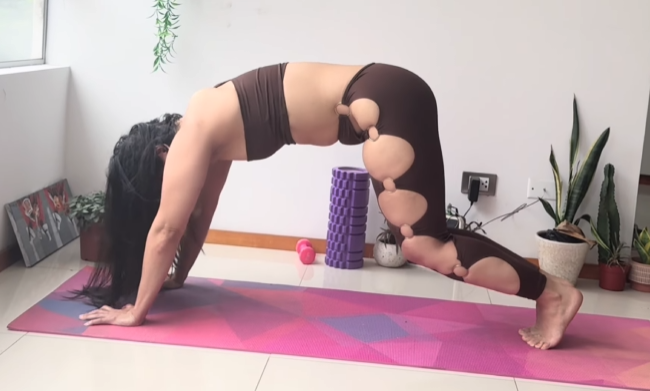
Many people carry stress in the shoulders, neck, and upper back. Begin by gently lifting the shoulders toward the ears, then rolling them back and down. Allow the arms to move freely—swing them, shake them, circle them. Let go of control and let the body discover natural patterns of movement.
Engage the upper back by arching and rounding the chest slowly. Rock from side to side, allowing tension to dissipate with every breath. Incorporate somatic micro-movements, like small shakes or pulses, to awaken the muscles and release stored stress.
Wild Yoga Flow encourages playfulness. Don’t worry about looking graceful or correct. Movements may be quirky, exaggerated, or unexpected. The humor and spontaneity of the body naturally release tension and create joy in the practice.
Step 4: Lower Back & Hip Liberation
The hips and lower back often store deep tension. Begin by shifting weight gently from side to side, rocking the pelvis, and exploring rotational movements. Incorporate lunges, gentle squats, or seated hip stretches if comfortable.
Focus on sensing rather than forcing. Feel how the muscles respond to each movement. Pay attention to areas of tightness or discomfort. Allow your breath to guide the release, imagining tension melting away with every exhale.
Somatic practice emphasizes listening to subtle feedback from the body. If a movement causes sharp pain, modify it or stop. If a stretch feels deeply satisfying, linger longer. The freedom to adjust creates trust and encourages full engagement with the practice.
Step 5: Grounded Flow & Full Body Integration
Combine upper and lower body movements in a flowing sequence. Move from standing to kneeling to seated positions, integrating breath, spinal articulation, and expressive gestures. Let arms reach upward, outward, or behind the back. Allow the torso to twist, sway, and undulate naturally.
This phase is where the “wild” aspect emerges. Free-flowing movements allow energy to circulate freely throughout the body. Shaking, bouncing, and playful gestures release residual tension and stimulate the nervous system. Encourage sounds, sighs, or laughter—expressive release enhances the somatic experience.
The full-body integration allows the mind to relax as the body reconnects with its natural rhythms. Sensory awareness increases: you notice textures under your feet, the stretch of your muscles, and the subtle shifts of your balance. Each sensation strengthens the mind-body connection.
Step 6: Restorative & Relaxation
After the active flow, transition into a restorative phase. Lie on your back or side, allowing the body to absorb the benefits of the practice. Support the knees with a bolster or blanket if needed. Close your eyes and take slow, deep breaths.
Scan your body from head to toe. Notice the areas that feel lighter, more open, or more relaxed. Recognize how your posture has shifted, how muscles have softened, and how the breath flows more freely. Allow a few moments of gratitude for your body’s intelligence and resilience.
Wild Yoga Flow concludes with stillness, emphasizing that the practice is not only about movement but also about presence, awareness, and inner calm.
Benefits of a Wild Yoga Flow Practice
- Releases tension: Gentle, mindful movements reduce tightness in the upper and lower back, shoulders, and hips.
- Enhances body awareness: Somatic exploration helps you notice subtle imbalances, stiffness, and habitual patterns.
- Improves mobility: Dynamic sequences increase flexibility and range of motion.
- Promotes stress relief: Coordinated breath and movement stimulate the parasympathetic nervous system, calming the mind.
- Fosters emotional release: Expressive, spontaneous movement can help release suppressed emotions stored in the body.
- Encourages playfulness: Non-judgmental exploration of movement fosters joy, creativity, and lightheartedness.
- Strengthens mind-body connection: The practice teaches listening to internal cues and responding with awareness and compassion.
Tips for an Effective Practice
- Move intuitively: Follow your body’s impulses rather than forcing poses.
- Breathe deeply: Use breath to guide movement and release tension.
- Stay present: Observe sensations without judgment.
- Honor limitations: Avoid pain and respect your body’s signals.
- Be playful: Allow yourself to explore, make sounds, laugh, and experiment.
- Consistency matters: Even short, daily sessions can create lasting change.
Bringing Wild Yoga Flow Into Daily Life
Wild Yoga Flow is not confined to a studio or mat. Elements of this practice can be incorporated into daily life:
- Take a few minutes to roll the shoulders and spine after long periods of sitting.
- Engage in spontaneous stretches or gentle sways while waiting or cooking.
- Incorporate deep breathing and micro-movements before bed to unwind.
- Use playful gestures and expressive movements as a tool to release emotional tension.
The key is mindfulness and awareness. Even small actions, when done with intention, can help maintain the connection between body and mind.
Conclusion
Wild Yoga Flow, rooted in somatic practice, is a powerful tool for reconnecting with the body. By emphasizing awareness, expressive movement, and breath, it allows the body to release tension, the mind to calm, and the spirit to rejuvenate. In just a few minutes, or through a longer, immersive practice, this approach cultivates a deep sense of presence, freedom, and joy.
Whether you are a beginner exploring movement for the first time or an experienced practitioner seeking a new way to release stress, Wild Yoga Flow offers an opportunity to feel, release, and reconnect. It reminds us that our bodies are intelligent, resilient, and expressive—and that by tuning into them, we can rediscover balance, vitality, and a profound sense of well-being.
By allowing the body to lead and the mind to follow, Wild Yoga Flow becomes a journey—a celebration of sensation, movement, and self-awareness. It teaches that true relaxation comes not from forcing stillness but from honoring the natural rhythms of the body. It’s wild, it’s freeing, and it’s transformative.