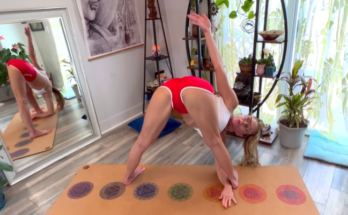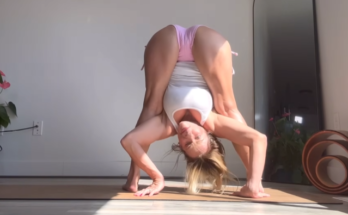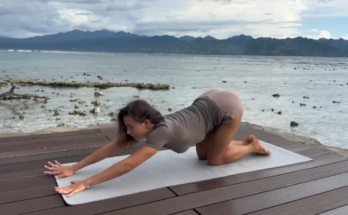
Women’s gymnastics is often associated with power, precision, and breathtaking athletic skill. Behind every graceful routine and explosive movement, however, lies a deep foundation of flexibility, mobility, and body awareness. A full body stretch is not simply a warm-up or a cool-down—it is a vital practice that supports strength, prevents injury, and allows gymnasts to move with confidence and control. This full body stretch sequence is designed to gently awaken every major muscle group while honoring the unique needs of the female body.
Stretching in gymnastics is about balance. It is the balance between effort and ease, between length and stability. For women, whose bodies may experience hormonal shifts, joint sensitivity, and varying energy levels, stretching must be approached with awareness and patience. A well-rounded full body stretch supports not only physical performance but also mental focus and emotional regulation.
Begin by finding a quiet, open space where you can move freely. A mat or soft floor is ideal. Wear clothing that allows unrestricted movement. Before diving into stretches, take a moment to center yourself. Stand tall with your feet hip-width apart, arms resting by your sides. Close your eyes if you wish and take several slow breaths, allowing your mind to settle and your body to prepare.
Start with gentle neck and shoulder mobility. Slowly tilt your head to one side, bringing your ear toward your shoulder. Hold for a few breaths, feeling the stretch along the side of your neck, then switch sides. Roll your shoulders forward and backward in slow circles, releasing tension stored in the upper body. Gymnastics demands strong shoulders, and keeping them mobile is essential for safe movement.
Move into arm and chest stretches by extending one arm across your body and gently pulling it closer with the opposite hand. This stretch targets the shoulders and upper back, areas heavily used in gymnastics skills such as handstands, bars, and floor work. Next, clasp your hands behind your back and gently lift your arms while opening your chest. This counteracts the forward-hunched posture that can develop from intense training.
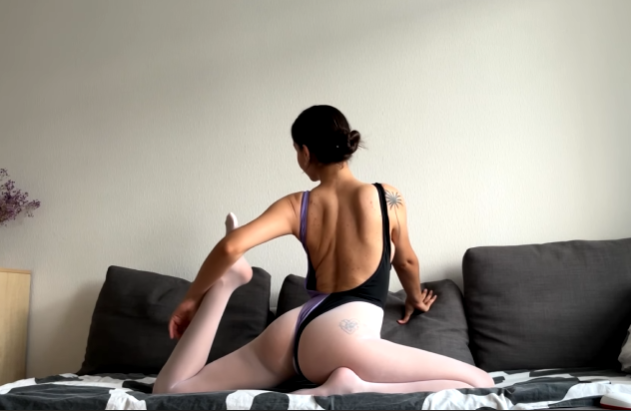
Transition into spinal mobility. Stand with your feet grounded and begin gentle spinal rolls, starting from the head and slowly rolling down one vertebra at a time. Let your arms hang loosely. This movement increases awareness of the spine and helps release tension throughout the back. Roll back up slowly, stacking the spine carefully to avoid dizziness.
Lower yourself to the floor and come into a seated position. Extend your legs forward for a hamstring stretch. Flex your feet and hinge forward from the hips, keeping the spine long. Reach toward your shins, ankles, or feet, stopping where you feel a comfortable stretch. Hamstring flexibility is crucial in women’s gymnastics, supporting splits, jumps, and tumbling skills.
Open your legs into a wide straddle position. Gently fold forward, then lean toward one leg at a time. This stretch targets the inner thighs and hips, areas that require both flexibility and stability. Move slowly, breathing deeply, and avoid forcing the stretch. Overstretching can compromise joint integrity, especially in young or hypermobile athletes.
Transition into a butterfly stretch by bringing the soles of your feet together. Let your knees fall open naturally. Hold your feet or ankles and gently hinge forward if it feels appropriate. This stretch supports hip mobility and prepares the body for movements requiring external rotation and turnout.
Move onto hands and knees for a full spinal warm-up. Begin with cat and cow stretches, inhaling as you arch the back and exhaling as you round it. This dynamic movement improves spinal flexibility and coordination between breath and motion. For gymnasts, a healthy spine is key to both performance and longevity in the sport.
From tabletop, extend one leg back and the opposite arm forward, engaging your core. This balance stretch strengthens stabilizing muscles while gently lengthening the body. Switch sides, moving with control. Core stability is essential in women’s gymnastics, providing the foundation for flips, balances, and landings.

Step one foot forward into a low lunge. Sink your hips gently, feeling the stretch in the hip flexors and thighs. Raise your arms overhead if comfortable, lengthening through the sides of the body. Hip flexor flexibility is particularly important for gymnasts, as tight hips can restrict backbends and leg extensions.
From the lunge, straighten the front leg and fold forward for a hamstring and calf stretch. Alternate between bending and straightening the knee, exploring different sensations. Repeat on the other side, maintaining slow, controlled movements.
Lower onto your stomach for gentle back stretches. Place your hands under your shoulders and press into a low cobra or sphinx pose. Lift the chest without locking the elbows or compressing the lower back. This stretch opens the front of the body and supports spinal extension used in back handsprings and walkovers.
Move into a child’s pose to counterbalance the backbend. Sit your hips back toward your heels and stretch your arms forward or alongside your body. This pose allows the spine to relax and lengthen, promoting recovery and calm.
Transition onto your back for supine stretches. Hug your knees into your chest, then extend one leg up toward the ceiling, holding behind the thigh or calf for a hamstring stretch. Switch legs slowly. This position allows for controlled stretching without placing excessive strain on the lower back.

Bring both legs up and gently lower them to one side for a spinal twist. Extend your arms out and allow gravity to guide the stretch. Twists help maintain spinal mobility and release tension accumulated during training.
Finish with ankle and foot stretches, an often-overlooked but essential part of women’s gymnastics. Point and flex your feet, circle your ankles, and gently stretch the arches. Strong, flexible feet are vital for balance, jumps, and safe landings.
End your full body stretch in a comfortable resting position, either lying down or seated. Take several deep breaths and notice how your body feels. Perhaps there is more space in your movements, more ease in your joints, or a greater sense of readiness.
A full body stretch in women’s gymnastics is not about pushing limits every time. It is about consistency, awareness, and respect for the body. When practiced regularly, stretching enhances performance, reduces injury risk, and supports a long, healthy relationship with the sport.
By honoring both strength and softness, women’s gymnastics becomes not only a display of athletic excellence but also a practice of self-awareness and care. A thoughtful full body stretch is the bridge that connects hard training with graceful expression, allowing gymnasts to move freely, confidently, and sustainably.