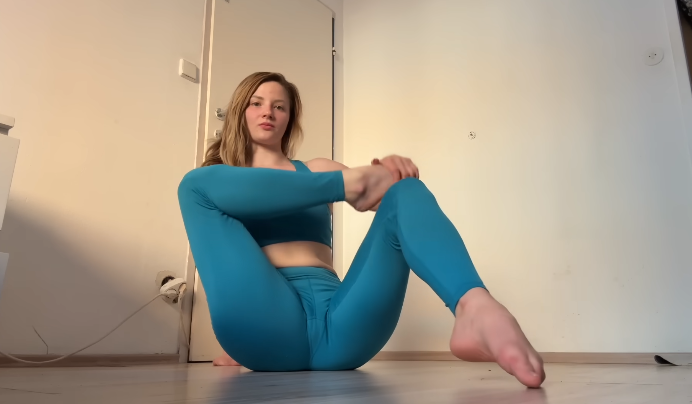
Achieving a deep middle split is a goal shared by dancers, gymnasts, martial artists, yogis, and fitness enthusiasts alike. It represents more than flexibility—it reflects dedication, body awareness, and balanced strength. The good news is that with the right full-body stretching approach and a focused hip-opening routine, progress toward middle splits can happen faster and more safely than most people expect.
This ultimate routine is designed to awaken the entire body, loosen tight muscles, and target the hips from every angle. Rather than forcing flexibility, it emphasizes smart preparation, gradual opening, and consistent practice. Middle splits are not just about the inner thighs; they require mobility in the hips, strength in the legs, stability in the core, and relaxation in the nervous system.
Why Full-Body Stretching Matters
Many people make the mistake of stretching only the hips when working toward middle splits. However, the body functions as one connected system. Tight calves, hamstrings, lower back, or even shoulders can limit hip mobility. A full-body stretch ensures that all supporting muscles are warmed up and responsive, allowing the hips to open more freely.
Full-body stretching also increases circulation, improves joint lubrication, and reduces the risk of injury. When the entire body is prepared, the hips can relax instead of resisting. This creates faster gains and a much more comfortable stretching experience.
Understanding the Anatomy of Middle Splits
Middle splits primarily involve the adductors (inner thighs), hip flexors, glutes, and hamstrings. However, deep hip rotation and pelvic alignment play an equally important role. Many people feel stuck in middle splits not because of tight muscles, but because the hips lack rotational freedom.
This routine focuses on external and internal hip rotation, active stretching, and gentle strengthening. By addressing these areas, the hips become more adaptable, allowing the legs to open wider with less strain.
Warm-Up: Activating the Body
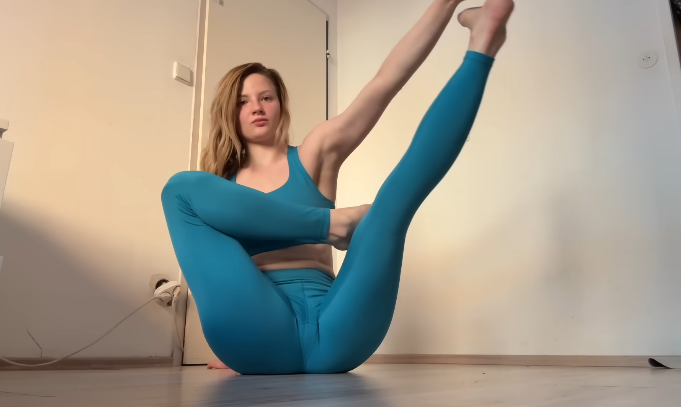
Before diving into deep stretches, warming up is essential. A proper warm-up raises body temperature and prepares the muscles to lengthen safely. Light cardio such as jumping jacks, jogging in place, or dynamic leg swings can be used to get the blood flowing.
Gentle movements like hip circles, spinal rolls, and arm swings wake up the joints. Controlled squats and lunges activate the hips and legs while engaging the core. This activation helps the body feel strong and stable as it moves into deeper stretches.
Hip Opener Foundations
The heart of this routine lies in effective hip openers. Wide-stance squats gently stretch the inner thighs while strengthening the legs. Shifting side to side encourages dynamic flexibility and improves joint control.
Low lunges target the hip flexors, which are often tight from prolonged sitting. Opening these muscles allows the pelvis to tilt more naturally, creating space for deeper hip movement. Gentle pulses in lunges help release tension while maintaining control.
Seated hip rotations and butterfly stretches further prepare the inner thighs. Rather than forcing the knees downward, the focus is on relaxing the hips and allowing gravity to assist. Deep breathing enhances this release, signaling the nervous system to relax.
Active Stretching for Faster Results
Active stretching is a key component of achieving middle splits faster. Instead of passively sinking into a stretch, active engagement teaches the muscles to support flexibility. For example, in a wide-leg seated position, gently pressing the heels into the floor activates the inner thighs while stretching them.
This balance of effort and release increases flexibility while building strength. Active stretching also improves proprioception—the body’s awareness of position—which is crucial for safe and effective progress.
Exercises such as controlled leg lifts, frog pulses, and isometric holds train the muscles to remain strong at extended ranges. Over time, this leads to more confident and stable middle splits.
Deep Hip Opening Techniques
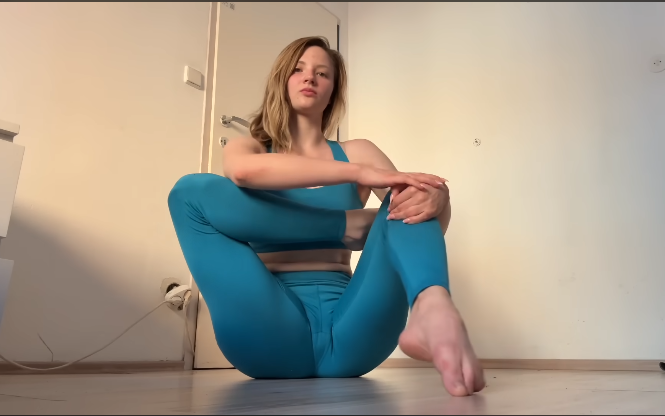
As the body warms and softens, deeper hip-opening positions become accessible. Frog pose is a powerful stretch for the inner thighs and hips, especially when approached gradually. Supporting the body with props reduces strain and allows longer holds.
Wide-leg forward folds encourage both hamstring and hip flexibility. Keeping the spine long and the hips grounded ensures that the stretch targets the intended muscles rather than the lower back.
Gentle rocking motions in these poses help release stubborn tension. Rather than pushing, the emphasis is on listening to the body and adjusting as needed.
Nervous System Relaxation
Flexibility is not just physical—it is deeply influenced by the nervous system. When the body feels safe, muscles relax more easily. Slow breathing, long exhalations, and moments of stillness throughout the routine help calm the mind and reduce resistance.
Holding stretches for longer periods allows the connective tissues to adapt. During these holds, focusing on slow breaths can significantly deepen the stretch without additional force. This is where many people experience sudden breakthroughs in flexibility.
Practicing Middle Splits Safely
When approaching middle splits directly, proper alignment is crucial. The hips should remain neutral, avoiding excessive forward or backward tilt. Engaging the core supports the spine and protects the lower back.
Lowering into the split slowly, with control, prevents overstretching. Using hands or blocks for support allows the body to relax without collapsing. Even if the floor feels far away, progress is happening with every controlled attempt.
Consistency matters more than depth. Practicing this routine regularly—rather than forcing maximum range in one session—leads to sustainable and long-lasting flexibility.
Cool-Down and Recovery
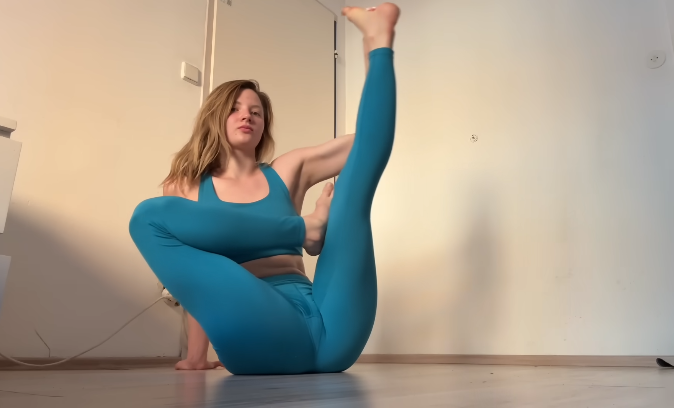
Cooling down is just as important as warming up. Gentle stretches and slow movements help the body integrate the work done during the session. Reclined poses, light twists, and relaxed breathing bring the nervous system back to a calm state.
Hydration and rest support muscle recovery. On rest days, light stretching or mobility work maintains flexibility without strain. Listening to the body prevents burnout and injuries, ensuring steady progress over time.
Mindset for Fast but Safe Progress
While the title promises fast results, true progress comes from patience and consistency. Each body opens at its own pace, influenced by anatomy, training history, and daily habits. Comparing flexibility to others can create unnecessary frustration.
Celebrating small improvements—greater comfort in wide stances, smoother transitions, or reduced tension—keeps motivation high. Flexibility is a journey, not a race.
Unlocking Freedom Through Movement
A full-body stretch combined with an ultimate hip opener routine does more than help achieve middle splits. It improves posture, enhances athletic performance, and increases overall mobility. The hips are central to movement, and freeing them unlocks a new level of comfort and power in the body.
With regular practice, mindful breathing, and a supportive approach, middle splits become an achievable and rewarding goal. This routine invites you to move with intention, open with patience, and enjoy the process of discovering what your body is capable of.
Stay consistent, stay mindful, and let your flexibility grow—one breath at a time. 🤸♀️🔥