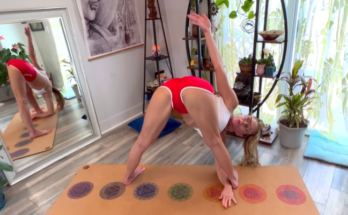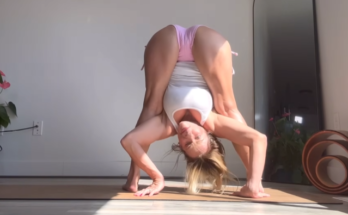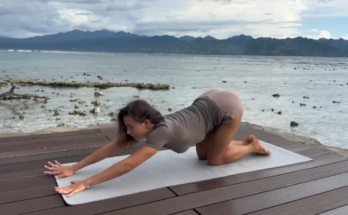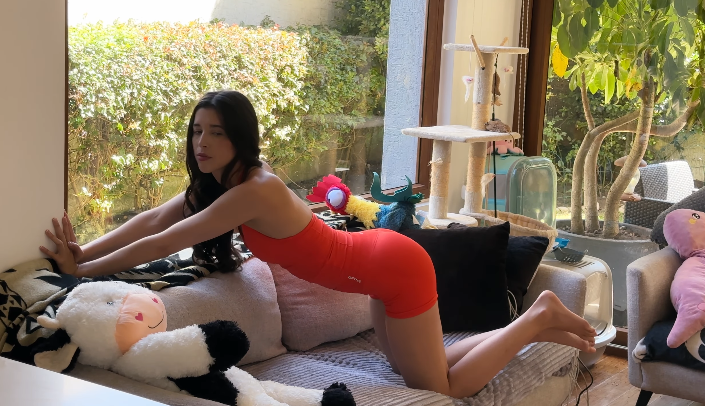
In a world that rarely slows down, deep unwinding yoga offers a gentle invitation to pause, breathe, and return home to yourself. This practice is not about pushing the body to its limits or chasing perfect poses. Instead, it is about releasing what no longer serves you—tension, stress, fatigue, and the constant mental noise that follows us throughout the day. Deep unwinding yoga is a sanctuary, a quiet space where the nervous system can soften and the body can finally exhale.
From the moment you step onto your mat, the intention is clear: there is nowhere else you need to be, nothing else you need to achieve. This is time carved out solely for rest and restoration. The lights may be dim, the breath slow and intentional, and the movements unhurried. Each posture is held long enough to allow the muscles to melt and the mind to settle, creating a profound sense of ease that extends far beyond the practice itself.
The Philosophy of Unwinding
Deep unwinding yoga draws inspiration from restorative yoga, yin yoga, and mindfulness practices. At its core is the understanding that modern life keeps most of us in a constant state of “doing.” We are often overstimulated, overworked, and overwhelmed. Even when we rest, our minds continue to race. This practice gently shifts us from a sympathetic “fight or flight” state into the parasympathetic “rest and digest” response, where true healing can begin.
Unwinding is not something we force; it is something we allow. By slowing down and tuning inward, we give the body permission to release deeply held tension—sometimes tension we didn’t even realize was there. Over time, this conscious slowing creates space for emotional release, mental clarity, and a renewed sense of balance.
Preparing the Body and Space
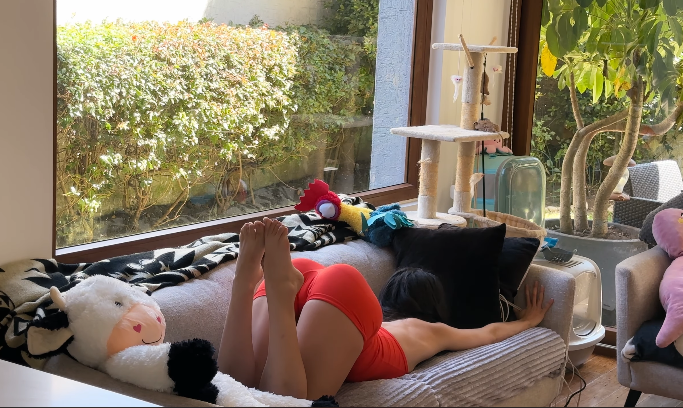
Before beginning a deep unwinding yoga session, it’s helpful to create a nurturing environment. Choose a quiet space where you won’t be disturbed. Soft lighting, calming music, or gentle ambient sounds can enhance the experience. Props such as bolsters, pillows, blankets, or yoga blocks are encouraged, as they help fully support the body and eliminate unnecessary effort.
Comfort is essential. Wear loose, warm clothing, as the body temperature may drop during prolonged holds. Set an intention for your practice—perhaps to let go of the day, to listen to your body, or simply to rest without guilt. This small act of intention can transform the session into a deeply personal ritual.
The Power of Breath
Breath is the foundation of deep unwinding yoga. Slow, conscious breathing sends signals of safety to the nervous system, allowing muscles to relax and the mind to quiet. Throughout the practice, the breath becomes a gentle anchor, guiding awareness inward.
Long, smooth inhales invite spaciousness, while extended exhales encourage release. With each exhale, imagine tension draining out of the body—through the shoulders, the jaw, the hips, and even the soles of the feet. Over time, the breath naturally becomes softer and more subtle, reflecting the growing sense of calm within.
Gentle Movements for Deep Release
Deep unwinding yoga favors slow transitions and minimal effort. Poses are often practiced close to the ground, where the body feels safe and supported. Gentle stretches target areas where stress commonly accumulates, such as the neck, shoulders, lower back, and hips.
Forward folds encourage introspection and relaxation, while supported backbends open the chest and heart without strain. Reclined twists help massage the internal organs and release spinal tension. Each posture is held for several minutes, allowing the connective tissues to soften and the body to surrender fully into the shape.
Rather than striving to deepen a pose, the focus is on sensation and comfort. If discomfort arises, adjustments are made immediately. This practice teaches self-compassion and respect for the body’s limits—lessons that carry into daily life.
Mental and Emotional Unwinding

As the body relaxes, the mind often follows. Thoughts may initially surface—unfinished tasks, worries, memories—but deep unwinding yoga encourages gentle observation rather than engagement. By noticing thoughts without judgment and returning attention to the breath or physical sensations, the mind gradually settles.
Emotional release can also occur. It is not uncommon to experience waves of sadness, relief, or unexpected joy. These responses are a natural part of letting go. The practice provides a safe container for emotions to arise and pass, leaving behind a sense of lightness and clarity.
Benefits Beyond the Mat
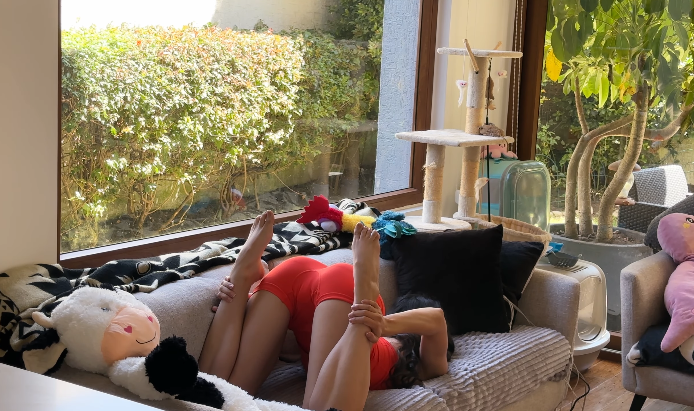
The effects of deep unwinding yoga extend far beyond the practice itself. Regular sessions can improve sleep quality, reduce chronic stress, and support emotional resilience. Many practitioners notice improved flexibility, reduced muscle tension, and relief from aches caused by prolonged sitting or repetitive movements.
On a deeper level, this practice cultivates mindfulness and self-awareness. By learning to listen to the body’s subtle signals, we become better equipped to recognize stress early and respond with care rather than pushing through exhaustion. Over time, this awareness fosters a healthier relationship with both the body and the mind.
Ending with Stillness
Every deep unwinding yoga session gently flows into a final resting pose, often a long and luxurious savasana. This is where the benefits of the practice fully integrate. Wrapped in blankets or supported by bolsters, the body rests completely, absorbing the calm cultivated throughout the session.
During this time, the breath becomes effortless, and the mind drifts into a meditative state. There is nothing to do and nowhere to go—only the simple experience of being. Even a few minutes of this deep rest can feel profoundly nourishing, like a reset for the entire system.
Carrying the Calm Forward
As the practice comes to a close, the invitation is to move slowly back into daily life. Notice how the body feels lighter, the breath steadier, and the mind clearer. This sense of ease is not meant to stay on the mat; it can be carried into everyday moments—during a walk, a conversation, or a quiet pause between tasks.
Deep unwinding yoga reminds us that rest is not a luxury; it is a necessity. In choosing to slow down, we reclaim balance, presence, and a deeper connection to ourselves. Each session becomes an act of self-care and self-respect, a gentle promise to listen, release, and simply be.
In a fast-paced world, deep unwinding yoga stands as a quiet rebellion—a return to softness, stillness, and inner peace. 🧘♀️✨