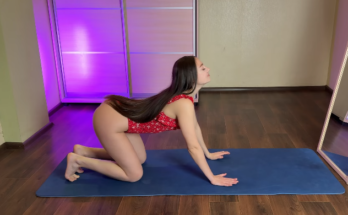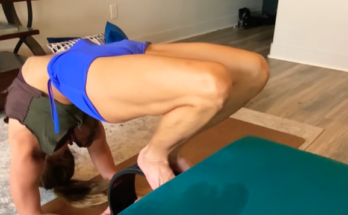
The forearm stand, often called Pincha Mayurasana, is one of those yoga poses that looks both powerful and graceful. When done well, it feels like flying—your body lifted, balanced, and calm, even while upside down. But behind that elegant moment is a lot of patient practice, strength-building, and smart drills. This follow-along guide to Forearm Stand Basic Drills is designed to help you build the foundations step by step, whether you are a complete beginner or someone who has tried forearm stand but still feels stuck or unstable.
This is not about forcing yourself upside down. It’s about learning how to trust your body, understand alignment, and enjoy the journey.
Understanding the Forearm Stand
Before we start moving, it’s important to understand what a forearm stand really requires. Unlike a handstand, your forearms are on the ground, which gives you a wider base of support. That sounds easier, but it also demands more shoulder mobility, upper-back strength, and core control.
A stable forearm stand depends on four key elements:
- Strong shoulders and upper back
- Active core engagement
- Open shoulders and chest
- Mental focus and breath control
The drills below target each of these areas in a logical, progressive way.
Warm-Up: Preparing the Body
Never skip your warm-up. Cold muscles and stiff shoulders make inversions harder and increase the risk of injury.
Start with 5–10 minutes of gentle movement:
- Neck rolls: Slowly circle the head, releasing tension.
- Shoulder rolls: Roll forward and backward, syncing with your breath.
- Cat–Cow: Warm the spine and shoulders, focusing on pushing the floor away.
- Arm swings: Loosen the shoulders and chest.
Take deep, steady breaths. From the beginning, train your nervous system to stay calm.
Drill 1: Forearm Plank (The Foundation)
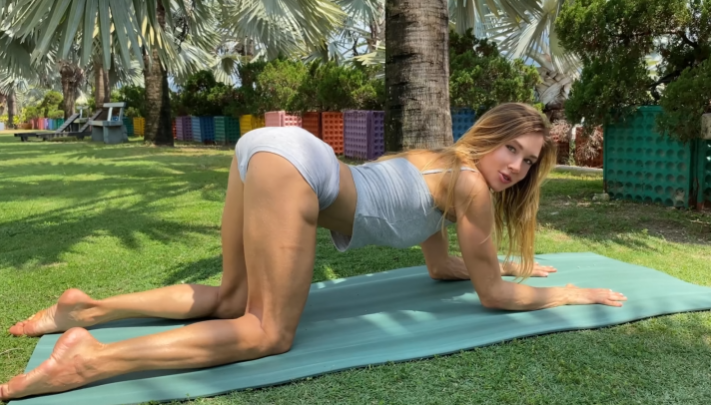
Forearm plank is one of the most important drills for forearm stand. It teaches you how to push through your shoulders and engage your core.
How to do it:
- Place your forearms on the mat, elbows shoulder-width apart.
- Interlace your fingers or keep palms flat, depending on comfort.
- Step your feet back and form a straight line from head to heels.
- Push the floor away, lifting your shoulders slightly.
- Engage your core and glutes.
Hold for 20–40 seconds, breathing slowly.
Focus points:
- Don’t sink into your shoulders.
- Imagine rounding the upper back slightly.
- Keep your gaze neutral.
This drill builds the strength you need to support your weight upside down.
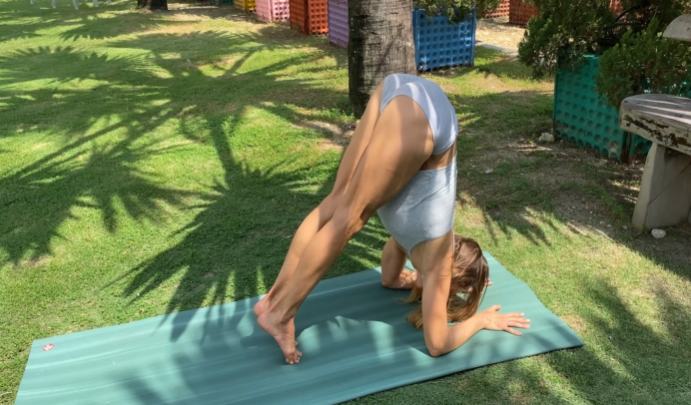
Drill 2: Dolphin Pose
Dolphin pose is a classic forearm stand prep and should become your best friend.
How to do it:
- Start on your forearms and knees.
- Lift your hips up and straighten your legs, like a downward dog on forearms.
- Walk your feet closer to your elbows as flexibility allows.
Hold for 5–10 breaths.
Why it matters:
- Strengthens shoulders and arms
- Improves shoulder mobility
- Teaches proper weight distribution
If dolphin feels intense, that’s normal. Stay patient and breathe.
Drill 3: Shoulder Shrugs in Dolphin
This drill teaches shoulder activation, which is essential for balance.
How to do it:
- Stay in dolphin pose.
- Inhale and slightly sink the chest toward the floor.
- Exhale and strongly push the floor away, lifting the shoulders.
- Move slowly and with control.
Repeat 8–12 times.
This movement trains you to actively support yourself in the forearm stand instead of collapsing.
Drill 4: Wall-Supported Dolphin Walk-Ins
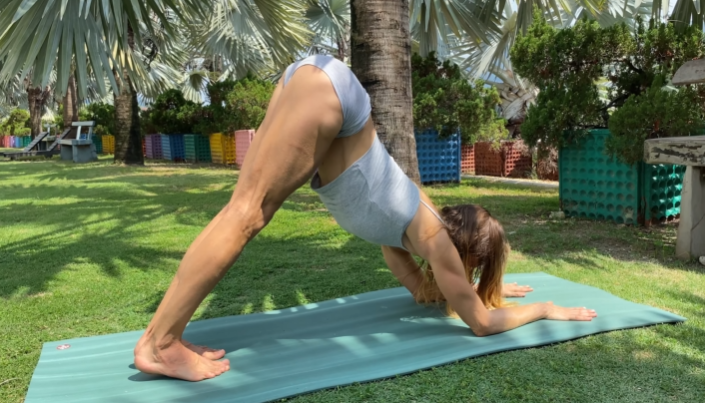
The wall helps you understand how your body should stack in inversion.
How to do it:
- Place your forearms on the mat, facing the wall.
- Your feet start a few steps away from the wall.
- Walk your feet up the wall while walking your shoulders closer.
- Stop when you feel strong and stable.
You don’t need to go fully vertical. The goal is to feel the shoulders lift and the core engage.
Hold for 10–20 seconds, then come down slowly.
Drill 5: L-Shape Forearm Stand at the Wall
This drill bridges the gap between preparation and full forearm stand.
How to do it:
- Place your forearms on the mat about one leg-length away from the wall.
- Kick or step one foot, then the other, onto the wall.
- Your hips should be stacked over your shoulders, legs forming an “L” shape.
Focus on:
- Pushing the floor away
- Keeping ribs in and core tight
- Breathing calmly
Stay here for 20–30 seconds.
Drill 6: Core Engagement Drill (Hollow Body Hold)
A strong core prevents over-arching and loss of balance.
How to do it:
- Lie on your back.
- Lift your legs and shoulders slightly off the floor.
- Lower back presses gently into the mat.
- Arms reach overhead.
Hold for 20–40 seconds.
Imagine this same core shape when you’re upside down.
Drill 7: One-Leg Lift in Dolphin
This drill introduces balance without fully inverting.
How to do it:
- Come into dolphin pose.
- Lift one leg straight up, keeping hips level.
- Hold for 3–5 breaths.
- Switch sides.
This strengthens the standing leg, shoulders, and core while improving body awareness.
Drill 8: Controlled Kick-Ups (Optional)
If you feel ready, you can practice gentle kick-ups at the wall.
Tips:
- Kick softly, not aggressively.
- Think “float,” not “jump.”
- Use the wall as support, not a crash pad.
Even small lifts off the floor are progress.
Common Mistakes to Avoid
- Elbows too wide: This causes shoulder collapse. Keep them shoulder-width.
- Over-arching the back: Engage your core and tuck ribs in.
- Holding the breath: Calm breathing equals better balance.
- Rushing the process: Strength and confidence take time.
Mental Focus and Breath
Forearm stand is as much mental as physical. Fear is normal. Inversions challenge our sense of control and orientation.
Try this:
- Inhale deeply before kicking up.
- Exhale slowly as you engage your core.
- If you fall, smile, reset, and try again.
Progress often comes quietly, not dramatically.
How Often Should You Practice?
Consistency matters more than intensity.
- 3–5 times per week is ideal.
- Even 10–15 minutes of focused drills can make a difference.
- Rest when shoulders feel tired.
Your body learns through repetition and rest.
Final Thoughts
The forearm stand is a beautiful balance of strength, flexibility, and calm focus. These basic drills are not just exercises—they are conversations with your body. Each time you practice, you build trust, awareness, and confidence.
Follow along at your own pace. Celebrate small wins: holding dolphin longer, feeling lighter in the shoulders, or simply breathing calmly upside down. One day, without forcing it, you’ll realize you’re floating in forearm stand—and enjoying every second of it.
Keep practicing. Stay patient. And most importantly, have fun on the mat.