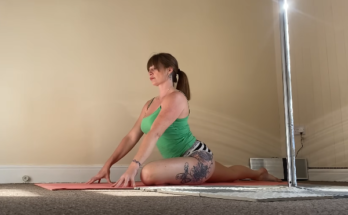
Yoga is often associated with mats, studios, and specific practice times, but its true power extends far beyond the confines of a physical session. Integrating yoga into daily life transforms not only the body but also the mind, emotions, and overall approach to living. It is a philosophy, a set of tools, and a lifestyle that encourages presence, awareness, and balance. This article explores the ways in which yoga can be woven into the everyday routine, offering practical guidance for creating a sustainable, mindful, and deeply fulfilling practice.
The Philosophy Behind Daily Yoga
At its core, yoga is more than physical postures (asanas). Traditional yoga encompasses breath control (pranayama), ethical principles (yamas and niyamas), meditation, and mindfulness. These elements can be applied outside of the studio, providing a framework for navigating daily life with calm, focus, and compassion.
Integrating yoga into everyday life begins with understanding its intention: to cultivate awareness and harmony within oneself and in relation to the world. Every movement, decision, and interaction can become a yoga practice when approached consciously.
Start with Mindful Mornings
Morning routines set the tone for the entire day. Incorporating yoga into the start of your day doesn’t require a full hour on the mat; even a few mindful minutes can make a significant difference. Simple morning practices might include:
- Gentle stretching: Wake up the body with neck rolls, shoulder shrugs, cat-cow movements, or forward folds.
- Breath awareness: Take a few minutes to focus on long, deep breaths, noticing the rise and fall of the abdomen and the calming effect on the nervous system.
- Intention setting: Mentally affirm an intention for the day, such as patience, gratitude, or focus. This aligns the mind with your values and intentions, a practice rooted in yoga philosophy.
Even brief morning practices invite calm and prepare the body and mind for a more mindful, centered day.
Mindful Movement Throughout the Day

Yoga is often thought of as a formal practice on a mat, but its principles can be applied to everyday movement. Integrating mindful movement helps prevent stiffness, reduces tension, and cultivates body awareness.
- At your desk: Take micro-breaks to stretch your shoulders, spine, and wrists. Gentle seated twists or shoulder rolls can reduce tension accumulated from sitting.
- Walking as meditation: Pay attention to the rhythm of your steps, your breath, and the sensation of your feet touching the ground. Walking can become a moving meditation.
- Household tasks: Approach chores with awareness, noticing posture, breath, and intention in each action. Folding laundry, washing dishes, or cooking can all become mindful practices.
These practices transform routine activities into opportunities for presence, preventing stress and promoting harmony in both body and mind.
Breath as a Daily Anchor
The breath is a central component of yoga, and its benefits extend beyond formal practice. Conscious breathing can regulate emotions, reduce stress, and improve mental clarity in any situation.
- Work breaks: Take three slow, deep breaths before starting a task or entering a meeting.
- Stressful moments: Practice “box breathing” (inhale for four counts, hold for four, exhale for four, hold for four) to restore calm.
- Transitions: Move mindfully between activities, using breath as an anchor to bring awareness to the present.
Over time, breath awareness becomes a natural habit, supporting mental clarity, emotional stability, and physical ease throughout the day.
Short Daily Yoga Sessions
While formal yoga classes are beneficial, short daily sessions at home can also be transformative. Even 15–20 minutes of focused practice can maintain flexibility, strength, and mental clarity. Consider incorporating:
- Full-body stretches: Target major muscle groups to release tension and improve mobility.
- Balance exercises: Simple poses like tree pose or eagle pose enhance focus and coordination.
- Core activation: Engage the core to support posture and strengthen the body for daily activities.
- Gentle inversions or supported backbends: Stimulate circulation, open the chest, and improve energy flow.
Short sessions are often easier to maintain consistently, fostering a sustainable practice that integrates naturally into daily life.
Yoga in the Workplace

Many people experience stress, tension, and fatigue at work. Integrating yoga principles into professional life promotes resilience and balance:
- Posture awareness: Pay attention to sitting alignment, shoulders, and spine. Small adjustments reduce strain.
- Micro-breaks: Stretch or take a few deep breaths every hour to release tension and improve focus.
- Mindful communication: Approach conversations with presence, listening actively, and responding with intention.
- Mental resets: Use breathing techniques or short meditations to manage stress or regain clarity.
By bringing yoga into the workplace, the practice extends beyond the mat, influencing both physical health and emotional intelligence.
Evening Yoga for Reflection and Release
Integrating yoga into daily life is not only about starting the day mindfully but also ending it with intention. Evening yoga helps release accumulated stress, prepare the body for rest, and cultivate gratitude. Practices may include:
- Gentle stretching: Focus on hips, shoulders, and spine to release tension from the day.
- Forward folds and restorative poses: Encourage relaxation and nervous system balance.
- Breathwork: Lengthen exhalations to calm the mind and body.
- Reflection: Mentally review the day, acknowledging successes, challenges, and moments of learning.
Evening yoga creates a sense of closure for the day, enhancing sleep quality and overall well-being.
Mindfulness as Yoga in Daily Life
Beyond physical practice, yoga teaches mindfulness and conscious living. Mindfulness can be integrated into any daily activity:
- Eating: Notice textures, flavors, and sensations, fostering gratitude and healthy habits.
- Listening: Give full attention during conversations, cultivating empathy and understanding.
- Driving or commuting: Focus on breath and present awareness instead of distractions or stress.
By approaching daily life with awareness, yoga becomes more than exercise—it becomes a way of living.
Ethical Principles in Everyday Practice
Yoga philosophy includes guidelines for ethical living, known as yamas and niyamas. These principles can be integrated into daily life:
- Yamas (restraints): Nonviolence, truthfulness, and mindful speech guide interactions with others.
- Niyamas (observances): Self-discipline, contentment, and self-study encourage personal growth.
Applying these principles fosters balance in relationships, work, and personal development, extending the benefits of yoga beyond physical practice.
Overcoming Common Challenges

Integrating yoga into daily life can be challenging. Many struggle with time constraints, consistency, or motivation. Strategies to overcome these challenges include:
- Start small: Even 5–10 minutes per day has a cumulative effect.
- Create cues: Link yoga to daily habits, like practicing after waking up or before bedtime.
- Be flexible: Adapt your practice to energy levels and available time.
- Focus on quality over quantity: Mindful, intentional practice is more beneficial than long, distracted sessions.
By approaching integration gradually and with patience, yoga becomes a natural and sustainable part of life.
The Long-Term Benefits
Consistently integrating yoga into daily life yields profound long-term benefits:
- Physical health: Improved flexibility, posture, balance, and strength.
- Mental clarity: Enhanced focus, decision-making, and emotional regulation.
- Emotional balance: Greater resilience, reduced stress, and improved relationships.
- Spiritual growth: Deepened self-awareness, mindfulness, and sense of purpose.
These benefits are not limited to time on the mat—they ripple into every aspect of life, enhancing overall well-being.
Conclusion
Yoga is much more than a series of poses; it is a philosophy and lifestyle that can transform how we move, breathe, think, and live. Integrating yoga into daily life does not require hours of formal practice—simple awareness, mindful movement, conscious breath, and intention can turn routine activities into opportunities for growth and presence.
From mindful mornings to intentional movement throughout the day, from breath awareness in stressful moments to restorative evening practices, yoga offers tools to cultivate balance, calm, and resilience. Ethical principles, mindfulness, and reflection extend these benefits into relationships, work, and personal development.
By embracing yoga as a daily practice, we honor the body, calm the mind, and nurture the spirit. Life itself becomes a practice—one of presence, intention, and mindful living. In this way, yoga is not limited to the mat; it becomes a path to living fully, consciously, and harmoniously every day.
Yoga is not just what you do on the mat—it is how you move through life. Integrating its practices, philosophy, and awareness into daily life transforms ordinary mo