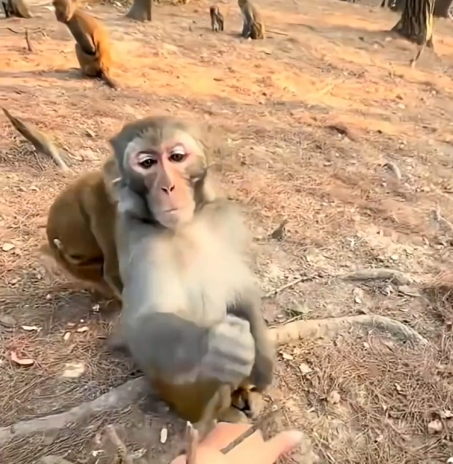
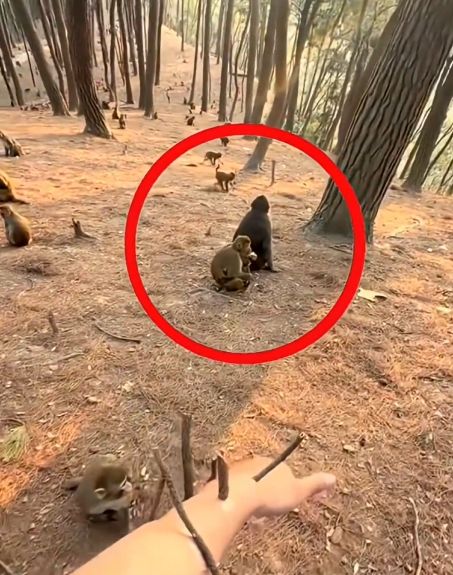
In the heart of a dense tropical forest, where sunlight filtered through the canopy in golden streaks and the air was alive with the chatter of wildlife, lived a clever little monkey named Milo. Milo was not like the other monkeys in his troop. While his friends spent their days leaping from branch to branch, playing pranks, or searching for food, Milo had a sharp mind and an insatiable curiosity. He observed everything—the movements of other animals, the habits of humans nearby, and the little tricks that made life easier in the forest. It was this cleverness that would soon earn him a very sweet surprise.
Milo had always loved fruit. Juicy mangoes, sweet bananas, and especially honey-ripened guavas were his favorites. But unlike some of the other monkeys who were content with what they could reach, Milo wanted more. He noticed that a human family living on the edge of the forest often left baskets of fruit on their veranda. However, these baskets were perched high, beyond the reach of the average monkey. Many monkeys had tried and failed to get the fruit, and over time, the humans began to grow frustrated, ensuring the baskets were always just out of reach.
Most of Milo’s friends gave up on the challenge. But Milo was not most monkeys. He studied the baskets every day, observing the height of the shelf, the placement of the fruit, and even the timing of when humans went inside. He noticed patterns in how the family moved, how often they refilled the baskets, and which fruits were left uncovered. His clever little mind started spinning with ideas. If he could only figure out a way to reach that fruit safely, he could enjoy a feast while avoiding trouble.
One morning, after careful observation, Milo hatched a plan. He gathered a few sticks and leaves and began experimenting. At first, his attempts were clumsy—he tried poking at the basket with sticks, shaking branches, and even attempting a daring leap from a nearby tree. Each time, the fruit wobbled dangerously, sometimes falling to the ground, but never within his reach. Milo didn’t give up. Each failure was a lesson, and he adapted. He realized that he needed a tool that could extend his reach without causing chaos or drawing attention.

After several days of trial and error, Milo finally discovered a long, sturdy branch lying near the forest floor. He tested its strength by prodding at rocks and fallen fruit. Satisfied that it was perfect, he began to practice using it to hook the basket. It took patience and skill, but Milo was determined. His tiny hands gripped the branch carefully, and he adjusted his body to find the perfect angle. At last, the branch hooked the basket just enough to bring it closer without tipping over. His heart raced with excitement as the fruit swayed gently within his reach.
The first piece Milo grabbed was a small, golden mango. He held it triumphantly, savoring the sweet aroma and feeling a sense of pride. But Milo didn’t stop there. Carefully, he continued to use his clever branch technique to retrieve more fruit, taking care not to drop anything. He even shared some with his friends, who watched in awe from nearby branches. Milo’s cleverness had not only earned him a sweet treat but also admiration from his troop.
However, Milo’s clever plan did not go unnoticed by the humans. One morning, as he carefully maneuvered his branch, the youngest child of the family spotted him. Instead of screaming or chasing him away, the child giggled. “Look, Mama! The little monkey is so smart!” she exclaimed. The mother peeked from the kitchen window and saw Milo balancing the branch, his little face focused and determined. Instead of anger, she felt amusement and curiosity. She had never seen a monkey so skillful and patient.
The next day, the child decided to leave a small offering of fruit on the veranda, just within reach of the clever little monkey. Milo, as if sensing the gesture, approached cautiously. The basket contained tiny bananas, pieces of papaya, and a sweet, ripe mango. His eyes sparkled as he carefully picked up a banana and nibbled on it, savoring the delicious reward. This time, no tricks, no clever tools—just a simple, heartfelt gift. Milo had earned it, not through theft or mischief, but through intelligence, patience, and observation.
Milo’s friends watched from the trees, amazed at the turn of events. They had often relied on brute force or luck to get food, but Milo had shown them that brains often beat brawn. His cleverness had not only brought him a sweet surprise but had also earned the respect of both his troop and the humans nearby. The forest seemed to buzz with excitement. Birds chirped louder, the leaves rustled more energetically, and even the sunlight seemed to shine a little brighter on Milo’s triumph.
From that day on, Milo became known as the “clever monkey” of the forest. Whenever the humans left fruit on the veranda, he would approach with a careful, almost respectful demeanor. The child would watch from the window, giggling as Milo used his clever techniques to reach for the treats. Sometimes, Milo would even perform small acrobatic tricks, balancing on the railing or hopping gracefully from branch to branch, as if saying “thank you” in his own playful way.
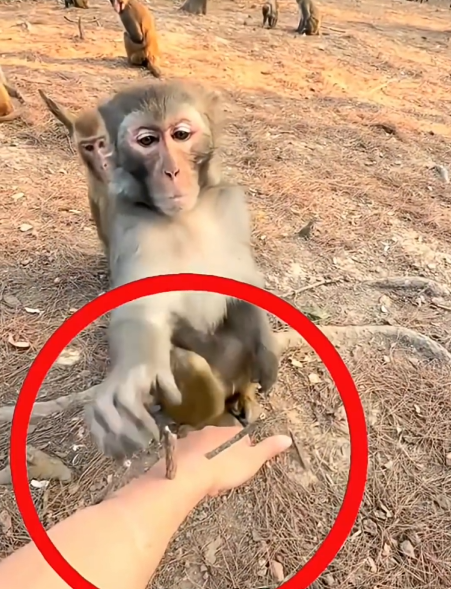
But the sweetest part of Milo’s story wasn’t just the fruit. It was the lesson that cleverness, patience, and observation could create opportunities and friendships where none seemed possible. He had turned what could have been a conflict into a harmonious relationship. The humans learned to appreciate the intelligence and charm of the forest’s wildlife, while Milo learned that rewards sometimes come from clever thinking and gentle persistence rather than rushing or causing trouble.
Milo’s cleverness also inspired his troop. Younger monkeys began to watch his techniques carefully, learning to be patient and thoughtful in their own adventures. Older monkeys, impressed by his ingenuity, occasionally allowed him to take the lead when exploring new areas or finding food. In this way, Milo’s single clever plan rippled through the troop, teaching them a valuable lesson about intelligence, patience, and reward.
Even months later, the memory of the first sweet surprise lingered in Milo’s mind. Every time he approached the veranda, he remembered the moment when the branch hooked the basket perfectly and the golden mango was finally within reach. That single success, achieved through clever thinking and persistence, gave him confidence in all his adventures. It reminded him that sometimes, the sweetest rewards come not just from luck, but from creativity, effort, and the courage to try new ideas.
Milo’s story spread beyond the forest. Nearby villagers began to tell tales of the clever little monkey who had earned the trust and admiration of a human family. Children would come to the edge of the forest hoping to catch a glimpse of him, and tourists occasionally paused to watch his playful antics. Milo, ever the observant and clever little monkey, continued his adventures, but now with an added sense of pride and accomplishment. Every fruit he earned was a reminder of the power of cleverness, patience, and the sweet joy of earning a reward through skill and heart.
In the end, Milo’s cleverness did more than earn him a sweet surprise—it strengthened bonds between species, inspired his peers, and created joyful memories that would last a lifetime. His story is a heartwarming reminder that intelligence and creativity, coupled with patience and kindness, can open doors to unexpected rewards and delightful surprises. In the forest, under the golden sunlight, Milo the clever monkey enjoyed his treats, happy not just for the fruit, but for the joy and respect that came with earning them.
And so, every time Milo nibbled on a sweet mango or tiny banana, he remembered: sometimes, being clever, patient, and observant is the key to life’s sweetest surprises. ❤️