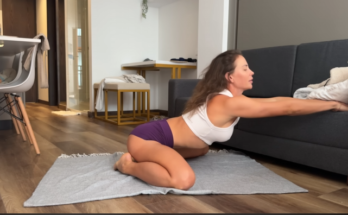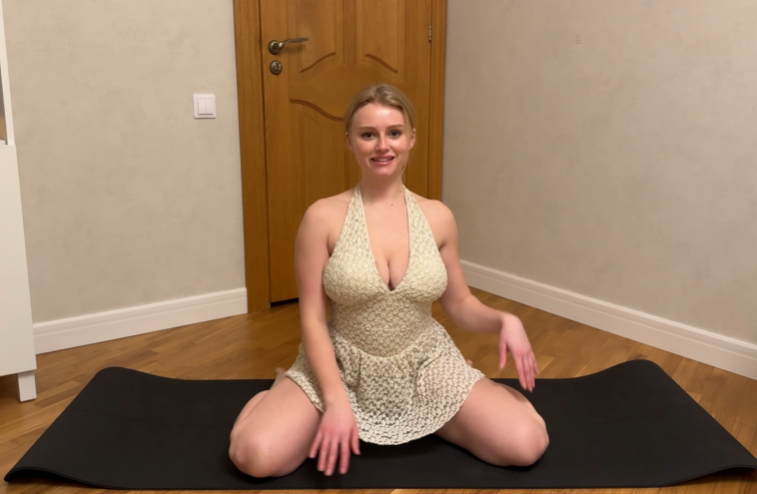
In today’s fast-paced world, finding time to exercise can feel impossible. Between work, family, and daily responsibilities, squeezing in an hour at the gym often seems unrealistic. But what if you could change your body—improve flexibility, posture, and overall well-being—using just five simple stretches that take less than 20 minutes and require no equipment? This is the beauty of an effective home stretching routine. With consistency, these stretches can transform your body from the comfort of your own living room.
Why Stretching Matters
Stretching is more than just touching your toes. It improves blood circulation, increases flexibility, enhances joint mobility, and reduces the risk of injuries. It also has profound effects on posture and body alignment. When muscles are tight, the body compensates by overusing other muscles, often leading to discomfort or chronic pain. Regular stretching helps release these tight areas, restores balance, and makes everyday movements more fluid.
Beyond the physical benefits, stretching also improves mental clarity and reduces stress. Deep, intentional stretches activate the parasympathetic nervous system, signaling your body to relax. Even a short stretching session can leave you feeling calmer, more focused, and energized.
The following five stretches are simple, yet powerful. They target major muscle groups, improve flexibility, and can be performed anywhere at home.
1. Cat-Cow Stretch (Spinal Mobility)
Target Areas: Spine, neck, shoulders, core
Time: 1-2 minutes
The cat-cow stretch is a foundational movement in yoga, ideal for spinal mobility and core engagement. It gently stretches the back and neck while warming up the spine for deeper stretches.
How to Perform:
- Begin on all fours with wrists under shoulders and knees under hips.
- Inhale, dropping your belly toward the floor, lifting your chest and tailbone upward—this is the cow position.
- Exhale, rounding your spine toward the ceiling, tucking your chin and tailbone—this is the cat position.
- Repeat for 8-10 breaths, moving slowly and deliberately.
Benefits: This stretch improves spinal flexibility, relieves tension in the back, and opens up the chest for better posture. Practicing it daily can prevent stiffness from prolonged sitting and prepare your body for more intense stretches.
2. Hip Flexor Stretch (Low Back & Hip Mobility)
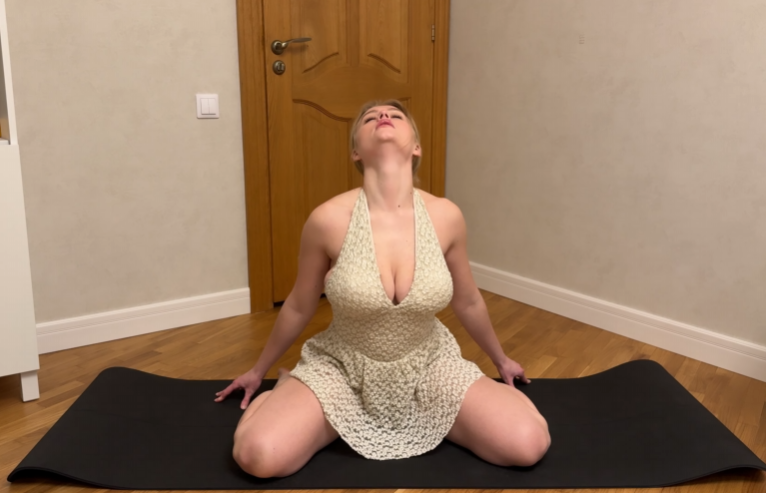
Target Areas: Hip flexors, quadriceps, lower back
Time: 1-2 minutes per side
Tight hips are one of the most common issues for people who sit for long periods. The hip flexor stretch lengthens these muscles, releasing pressure on the lower back and improving your ability to move freely.
How to Perform:
- Step your right foot forward into a low lunge, keeping the left knee on the ground.
- Shift your hips forward gently, keeping your chest upright.
- For deeper stretch, lift your arms overhead and slightly lean back.
- Hold for 30-60 seconds, then switch sides.
Benefits: Lengthened hip flexors improve posture, reduce lower back pain, and enhance flexibility for activities like running, walking, or yoga. Regularly opening the hips also enhances mobility in the pelvis, which can prevent stiffness and discomfort.
3. Hamstring Stretch (Back of Legs & Lower Back)
Target Areas: Hamstrings, calves, lower back
Time: 1-2 minutes per side
Tight hamstrings are another common problem that affects posture and mobility. Stretching these muscles regularly can improve your gait, prevent knee strain, and even relieve lower back tension.
How to Perform:
- Sit on the floor with legs extended straight in front of you.
- Keep your back straight and hinge forward at the hips, reaching toward your toes.
- If you can’t reach your toes, reach for your shins or use a towel around the feet for support.
- Hold for 30-60 seconds while breathing deeply.
Benefits: This stretch not only lengthens the hamstrings but also decompresses the lower back. Consistent practice can make movements like bending and lifting easier, while also improving athletic performance.
4. Chest Opener / Shoulder Stretch (Upper Body Mobility)
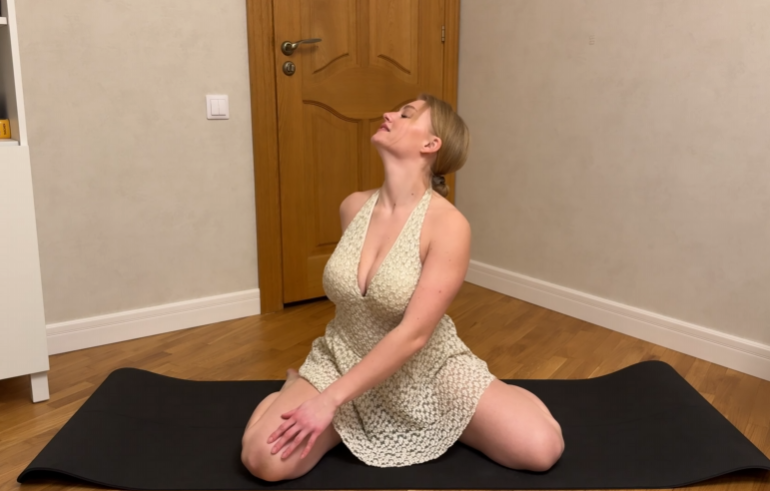
Target Areas: Chest, shoulders, upper back
Time: 1 minute per side
A tight chest can cause rounded shoulders and poor posture, especially for those who spend hours at a desk or staring at screens. The chest opener stretches the front body, improves shoulder mobility, and encourages better posture.
How to Perform:
- Stand or sit with your back straight.
- Clasp your hands behind your back, interlacing your fingers.
- Gently straighten your arms and lift them slightly while opening the chest.
- Hold for 30-60 seconds, breathing deeply, then release.
Modification: If clasping hands is difficult, use a towel or strap to bridge the gap.
Benefits: This stretch opens tight chest muscles, reduces upper back tension, and enhances breathing capacity. Over time, it can help counteract the effects of hunching, allowing the shoulders to naturally align and the upper body to feel freer.
5. Side Stretch / Lateral Flexibility (Obliques & Spine)
Target Areas: Obliques, intercostal muscles, spine
Time: 1 minute per side
Side stretches lengthen the muscles along the torso, improve lateral flexibility, and enhance overall spinal mobility. This stretch complements forward bends and hip openers, creating a balanced routine.
How to Perform:
- Stand or sit with your feet hip-width apart.
- Extend your right arm overhead and lean gently to the left, keeping your chest open.
- Hold for 30-60 seconds, feeling the stretch along the side of your torso.
- Switch sides.
Benefits: Stretching the sides of the body improves posture, helps with twisting motions, and creates more space for deep breathing. It also reduces tension in the rib cage and shoulders, enhancing overall mobility.
How to Turn These Stretches into a Daily Home Routine
Consistency is the key to transforming your body with stretching. Even just 15-20 minutes a day can produce noticeable changes in flexibility, posture, and muscle tension. Here’s how to create an effective routine:
- Warm Up Lightly: Spend 1-2 minutes moving gently—marching in place, rotating shoulders, or doing small hip circles. This increases blood flow and prepares muscles for stretching.
- Follow the Sequence: Start with Cat-Cow, then Hip Flexor Stretch, Hamstring Stretch, Chest Opener, and finish with Side Stretch. This order ensures you warm up the spine and hips before moving into deeper stretches.
- Focus on Breath: Each stretch should be held for several breaths. Inhale to create space, exhale to release tension. Deep breathing enhances relaxation and improves stretch effectiveness.
- Use Props if Needed: Yoga blocks, towels, or pillows can provide support, allowing you to deepen stretches without strain.
- End in Stillness: After finishing all stretches, lie down or sit quietly for 1-2 minutes. Let your body absorb the benefits and relax fully.
Additional Tips for Maximum Results
- Stay Hydrated: Muscles respond better to stretching when hydrated.
- Avoid Bouncing: Stretch slowly and steadily. Bouncing can cause microtears in muscles.
- Consistency Over Intensity: Short, regular sessions are more effective than occasional long sessions.
- Listen to Your Body: Stretching should feel relieving, not painful. Mild discomfort is normal, but sharp pain signals you need to adjust.
- Track Progress: Notice small improvements in flexibility and posture over time. Even slight changes can be motivating.
The Benefits You Can Expect
When done consistently, this simple routine offers multiple benefits:
- Improved Flexibility: Muscles and joints become more pliable, making daily movements easier.
- Better Posture: Stretching tight areas like the chest, hip flexors, and hamstrings improves spinal alignment.
- Reduced Muscle Tension: Regular release of tight muscles helps prevent pain and discomfort.
- Enhanced Circulation: Stretching increases blood flow, delivering oxygen and nutrients to muscles.
- Mental Calmness: Deep breathing and mindful movement help reduce stress and promote relaxation.
Why Home Stretching Works
Stretching at home eliminates common barriers like gym fees, crowded classes, or time constraints. You can practice at your own pace, adapt stretches to your body, and create a calming environment. Over time, these five stretches can become a personal ritual—one that rejuvenates both body and mind.
By committing to this simple routine, you are sending a message to your body: I care for you. I respect your limits. I want you to move freely and feel strong.
Conclusion
Changing your body doesn’t require complicated routines, expensive equipment, or hours at the gym. Five simple stretches—Cat-Cow, Hip Flexor Stretch, Hamstring Stretch, Chest Opener, and Side Stretch—can transform your flexibility, posture, and overall wellness when practiced consistently at home.
The key is patience, awareness, and breath. Move gently, listen to your body, and honor its limits. Over time, you’ll notice that movements feel easier, posture improves, tension releases, and your body feels lighter.
This is not just stretching—it is an invitation to reconnect with your body, restore balance, and invest in your long-term health.
Start today. Spend 15-20 minutes on these stretches, and watch how your body begins to change—softly, steadily, and beautifully.
Your body is waiting. Five simple stretches are all it takes to start a transformation you’ll feel every day.