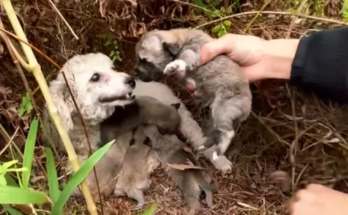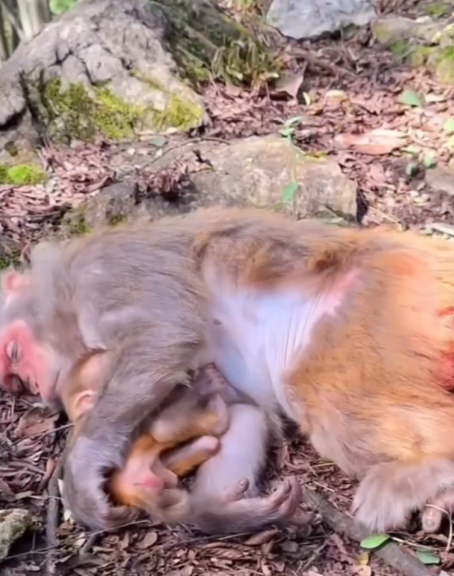
In the heart of a vast, lush forest, where sunlight filtered through dense canopies and the air was alive with the songs of birds and the rustling of leaves, a young monkey named Miko lived with his troop. Miko was small, curious, and full of life—traits that often led him into mischief. He had a particular fascination with exploring beyond the familiar paths of his family’s territory, always eager to see what lay just beyond the next branch or vine. His mother and the other monkeys often warned him of the dangers of wandering too far, but curiosity has a way of outweighing caution, especially for the young.
The forest, for Miko, was both a playground and a classroom. Every day, he watched older monkeys leap with precision from tree to tree, wrestle playfully, and forage skillfully for fruits and insects. He wanted to emulate them, but he was still learning the delicate balance of agility, awareness, and timing necessary to survive in such a dynamic environment. Still, Miko’s curiosity drove him further each day, pulling him into parts of the forest where the rules were unfamiliar and the consequences uncertain.
One morning, after the troop had settled into a shaded grove to rest, Miko noticed a cluster of brightly colored berries glistening on a vine that wound around a distant tree. They were unlike any he had seen before—deep red, almost glowing in the early sunlight. The temptation was too strong to resist. Ignoring the calls of his mother to stay close, he crept quietly along a narrow branch, moving with the stealth that only a small monkey can manage. Each step was measured, yet the thrill of adventure made him overlook the subtle signs of danger around him.
As he reached the tree with the berries, he felt a sense of triumph and excitement. For a moment, the world seemed perfect. He plucked a few berries and tasted them, savoring the sweetness. The taste, however, was soon overshadowed by the consequences of his wandering. The tree he had climbed was near the edge of another troop’s territory, a group of older and stronger monkeys who did not take kindly to intruders. Territorial disputes among monkeys are common, especially when food is involved, and Miko’s presence was immediately noticed.
A sharp screech cut through the forest air, sending birds fluttering into the sky. Miko froze, the berries still in his tiny hands, as a group of larger monkeys emerged from the shadows. Their eyes were fierce, their movements precise, and their intentions clear: he had crossed a boundary he was not meant to cross. The young monkey’s heart raced, and panic overtook curiosity. In that instant, he realized that wandering, though tempting, often comes with a heavy price.
The troop’s leader, a formidable adult male with scars from past battles, approached with measured steps. Miko’s small size and innocence did not protect him. The older monkeys surrounded him, swatting, screeching, and asserting dominance. One of them snatched a few berries from Miko’s hands, while another delivered a sharp slap across his back. The young monkey tumbled backward, striking the trunk of the tree. The pain was both physical and emotional. In the wild, punishment for overstepping social boundaries is immediate and harsh. It ensures that young monkeys learn the limits of their actions.
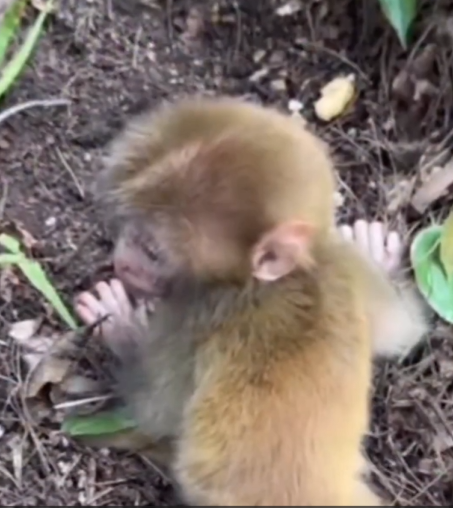
Miko’s cries attracted the attention of his mother, who had been scanning the forest for him. She rushed forward, calling out with urgency, her body tensed in a combination of fear and determination. As she reached her son, she positioned herself between him and the aggressors, protecting him with her presence. In monkey society, mothers often act as both shield and teacher, demonstrating to the infant that care and protection come first, even in the face of social conflict.
Despite the mother’s intervention, the lesson was already clear to Miko. Wandering beyond safe boundaries, though tempting, can lead to serious consequences. The older monkeys’ aggression was not out of malice but of instinct, designed to enforce social rules and maintain order within the troop. Food is a precious resource, and territories are fiercely defended. The young monkey learned that curiosity and impulsiveness must be balanced with awareness, respect, and caution.
After the confrontation, Miko clung tightly to his mother, trembling and frightened. She groomed him carefully, her hands moving rhythmically through his fur, soothing him both physically and emotionally. Grooming is more than a practical action—it is a communication of love, reassurance, and safety. The mother’s care helped Miko regain a sense of security and trust. Slowly, his racing heart settled, and he began to understand the gravity of his actions.
The incident also provided a critical social lesson. Miko observed how other members of the neighboring troop had enforced boundaries, asserting dominance and protecting resources. He saw that social hierarchies are complex, that respect and caution are necessary, and that every member has a role in maintaining order. This experience, though harsh, contributed to his understanding of community dynamics and the importance of following rules for safety and cohesion.
Over the following days, Miko remained close to his mother, more cautious and aware of his surroundings. He watched older monkeys carefully, learning from their movements, reactions, and interactions. He began to understand that wandering without thought can lead to injury, conflict, or social exclusion. His natural curiosity did not disappear, but it was tempered by awareness and respect for boundaries. The heavy price he had paid—the fear, the pain, and the lesson—was etched into his memory, shaping his future choices.
Interestingly, such experiences are crucial for development in young monkeys. Infants learn not only through observation but also through direct experience, including mistakes and consequences. The forest is both a teacher and a challenge, and the young must navigate risks to develop the skills and intelligence necessary for survival. Miko’s wandering, though dangerous, contributed to his growth. He learned resilience, caution, and the importance of maternal guidance—all essential for thriving in the complex social and physical environment of the forest.
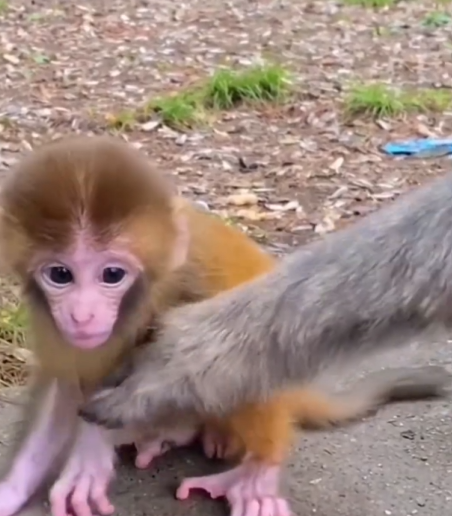
The mother continued to balance care with teaching. She allowed Miko to explore, but only within safe limits, gradually expanding his experiences while maintaining proximity. This gradual introduction to independence is critical. It allows young monkeys to test boundaries, develop confidence, and learn from both successes and setbacks. Miko’s wandering had shown him the consequences of impulsive actions, and now he could explore more safely, guided by experience and maternal wisdom.
Miko’s encounter also highlighted the importance of social bonds within the troop. Supportive members, particularly mothers, play a vital role in the growth of infants. By providing protection, guidance, and reassurance, they ensure that lessons are learned without causing lasting harm. Miko’s mother had intervened effectively, preserving his safety while allowing the social lesson to take place. Her presence reassured him that, even when mistakes are made, care and love are constants.
Over time, Miko’s confidence returned. He began to explore again, moving carefully along branches, observing food sources, and interacting with other juveniles. He learned to anticipate reactions, respect boundaries, and balance curiosity with caution. His mother remained close, offering guidance and protection as needed, ensuring that his learning was both safe and effective. The heavy price he had paid for wandering—pain, fear, and the social lesson—was transformed into knowledge and skill.
The forest, vibrant and alive, continued its rhythm. Birds nested, insects buzzed, and the troop navigated the complex canopy with coordination and awareness. Miko, once reckless and impulsive, now moved with greater mindfulness. He had learned that freedom to explore comes with responsibility, and that every choice carries consequences. The heavy price he had paid for wandering was a turning point, shaping his development, social understanding, and resilience.
In conclusion, the story of Miko the young monkey illustrates a universal lesson in growth and learning. Wandering, curiosity, and exploration are natural and valuable, but they must be balanced with awareness, respect, and caution. The consequences of overstepping boundaries, though harsh, provide essential learning experiences. Through guidance from his mother and the social enforcement of the troop, Miko learned to navigate the complexities of his environment, gaining not only physical skill but emotional intelligence and social awareness.
Did the monkey have to pay a heavy price for wandering? Absolutely. The physical pain, the fear, and the social lesson were real and immediate. But the price was also a gift: it taught him resilience, mindfulness, and the importance of guidance. It demonstrated the delicate balance between freedom and responsibility, curiosity and caution, independence and social connection. Miko emerged stronger, wiser, and more aware, ready to face the challenges and opportunities of life in the forest with the skills and understanding that only experience can provide.
The forest remains a place of beauty, challenge, and learning. For Miko, every branch, leaf, and call of the troop carries a lesson, and every moment of guidance and observation builds the foundation for a life of skill, awareness, and connection. Wandering will always be tempting, curiosity ever present, but the memory of the heavy price paid ensures that exploration is guided by knowledge, respect, and care—a lesson as enduring as the forest itself.