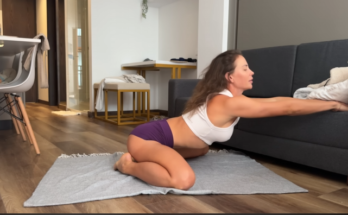
A healthy spine is the foundation of a healthy body. It supports posture, protects the nervous system, and allows us to move freely in everyday life. Yet for many people, the spine becomes stiff, compressed, or painful due to long hours of sitting, poor posture, stress, and lack of movement. Yoga mobility for a healthy spine is a gentle, effective way to restore natural movement, improve flexibility, and build strength along the entire length of the back. This follow-along style practice is designed to guide you step by step, making it accessible for beginners while still beneficial for more experienced practitioners.
The spine is not meant to be rigid. It is designed to move in many directions—forward, backward, side to side, and in gentle twists. When we stop moving the spine regularly, it loses mobility, and surrounding muscles become tight or weak. Yoga encourages mindful, controlled spinal movement, helping to lubricate the joints, increase circulation, and reduce tension. Over time, this can lead to better posture, reduced discomfort, and a greater sense of ease in the body.
Before starting this follow-along spinal mobility practice, find a comfortable, quiet space where you can move without distractions. A yoga mat is helpful, but not required. Wear comfortable clothing that allows you to move freely. You may also want to have a folded blanket or pillow nearby for extra support. The goal of this practice is not to push into pain, but to explore gentle movement with awareness and control.
Begin by bringing attention to your breath. Breathing deeply and slowly helps relax the nervous system and prepares the body for movement. As you inhale, imagine creating space along the spine. As you exhale, allow any tension to soften. Throughout this practice, let your breath guide your movement. If at any point something feels uncomfortable or painful, ease off and return to a neutral position.
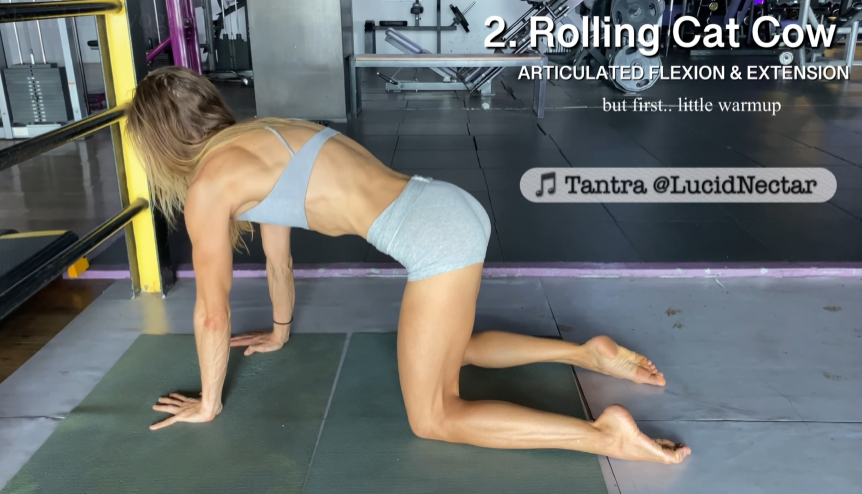
Start the follow-along sequence with gentle spinal warm-ups. These slow, mindful movements help awaken the muscles that support the spine and prepare the joints for deeper mobility work. Focus on moving one vertebra at a time, allowing the spine to flex and extend naturally. This approach builds awareness and helps prevent strain, especially for those who are new to yoga or recovering from stiffness.
As the practice continues, incorporate movements that gently lengthen the spine. Lengthening helps counteract the compression that often comes from sitting or standing for long periods. Imagine the spine growing taller with each inhale. This sense of elongation can create immediate relief, especially in the neck and lower back. Beginners may keep movements small, while more experienced practitioners can explore a slightly deeper range of motion.
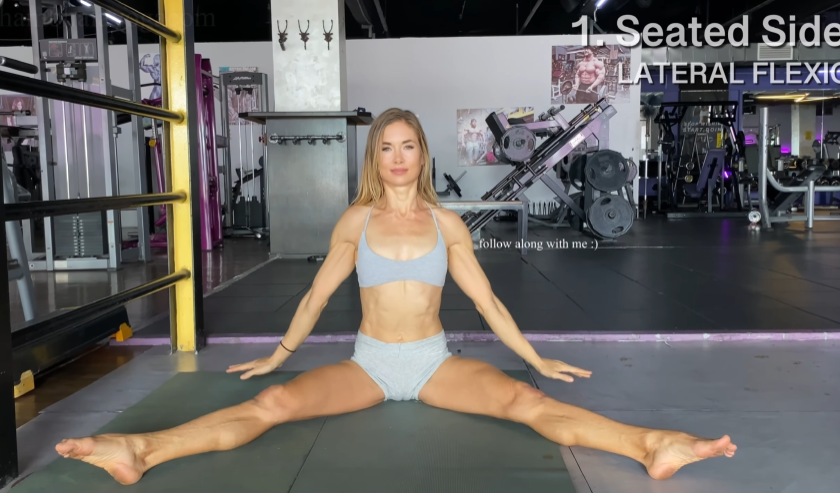
Side bending is an important part of spinal mobility that is often overlooked. These movements stretch the muscles along the sides of the body and help maintain balance between left and right. Move slowly, keeping both sides of the body engaged. Avoid collapsing into the bend; instead, think of creating space between the ribs and hips. Side bends can feel surprisingly refreshing and are excellent for improving overall spinal health.
Gentle twisting motions are another key element of a healthy spine. Twists help improve mobility, stimulate circulation, and support digestion. In this follow-along practice, twists are introduced slowly and mindfully. Keep the spine long as you rotate, and avoid forcing the movement. Twists should feel nourishing, not aggressive. Beginners can keep twists shallow, while intermediate practitioners may explore slightly deeper rotations with control.
Throughout the practice, pay attention to the connection between the spine and the rest of the body. The spine does not move in isolation—hips, shoulders, and neck all play a role. By coordinating spinal movements with gentle engagement of the core and awareness of the limbs, you build strength and stability alongside flexibility. This balanced approach helps protect the spine and supports healthy movement patterns.
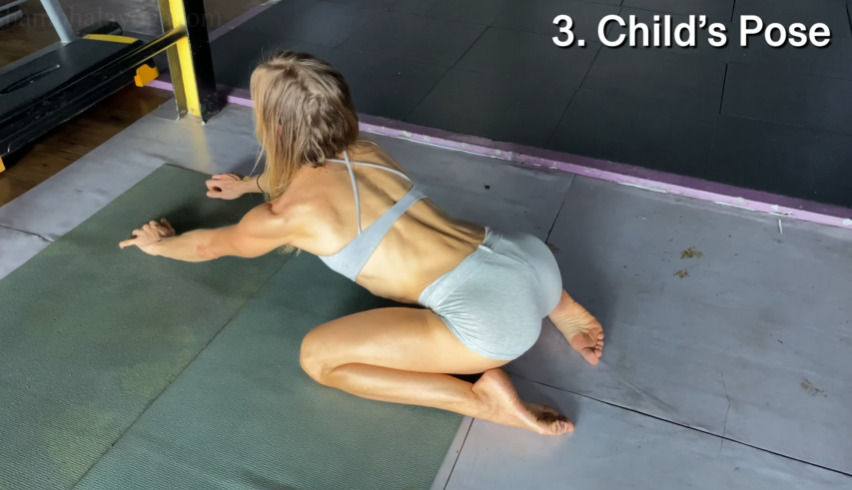
Yoga mobility for the spine is not only physical; it also has a calming effect on the mind. Slow, rhythmic spinal movements combined with deep breathing can reduce stress and mental tension. Many people hold stress in their shoulders, neck, and lower back. As these areas begin to release, you may notice a sense of calm spreading through the body. This mind-body connection is one of the most powerful benefits of yoga.
As you follow along, standing poses may be included to integrate spinal mobility into functional movement. Standing movements help build strength in the muscles that support the spine, including the legs and core. This is important because a healthy spine relies on strong support from the entire body. Move with control, maintaining awareness of alignment and breath.
Rest is an essential part of spinal mobility practice. Between movements, take moments to pause and notice how your body feels. These pauses allow the nervous system to settle and help the body absorb the benefits of the practice. Resting does not mean stopping completely; it means giving yourself permission to slow down and listen.
As the practice begins to wind down, movements become gentler and more soothing. This helps signal the body that it is safe to relax. Slow spinal motions encourage release and integration, leaving you feeling more open and balanced. Take your time here, moving with ease and comfort.
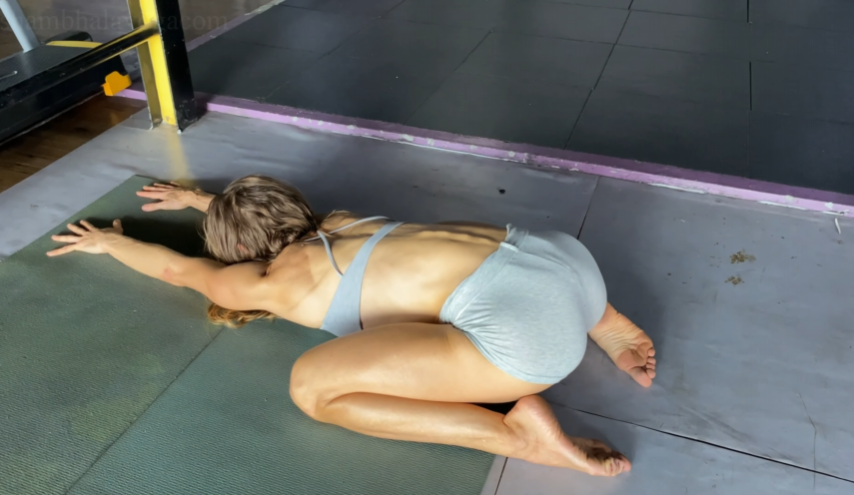
Ending the follow-along session with stillness is just as important as the movements themselves. A brief period of relaxation allows the spine to settle into its natural alignment. Notice the sensations in your back, the rhythm of your breath, and the overall state of your body. Many people feel lighter, taller, and more relaxed after a spinal mobility practice.
Consistency is key when it comes to spinal health. Practicing yoga mobility for the spine regularly—even for a short amount of time—can lead to lasting improvements. Over time, you may notice better posture, increased flexibility, and reduced stiffness in daily life. This practice can be especially helpful for those who spend long hours sitting, working at a desk, or using electronic devices.
It is important to approach spinal mobility with patience and respect for your body. Everyone’s spine is different, and progress may be gradual. Avoid comparing yourself to others and focus instead on how your body feels. Yoga is a personal journey, and spinal mobility is about creating comfort and freedom in your own movement.
In conclusion, Yoga Mobility for a Healthy Spine (Follow Along) is a gentle, supportive practice designed to restore natural movement, build strength, and promote overall well-being. By moving the spine in all directions with awareness and breath, you support both physical health and mental calm. Whether you are a beginner or an experienced yogi, this follow-along practice offers a safe and effective way to care for your spine—helping you move, sit, and live with greater ease and confidence every day.