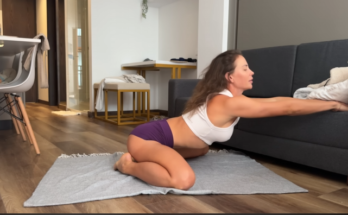
Tight hips are one of the most common physical complaints in modern life. Long hours of sitting, limited movement, stress, and even emotional tension can all settle into the hip area, making it feel stiff, sore, or restricted. The hips are a powerful center of the body, connecting the upper and lower halves, and when they are tight, it can affect posture, walking, lower back comfort, and overall mobility. The good news is that yoga offers a gentle, effective, and beginner-friendly way to release tension, improve flexibility, and build strength in the hips—without forcing the body or causing pain.
Yoga for hips is not about pushing yourself into deep poses or comparing your flexibility to others. It is about listening to your body, moving with awareness, and creating space where there may have been tightness for a long time. Beginners often worry that they are “too stiff” for yoga, but in reality, yoga is exactly for those who feel stiff. Hip-focused yoga practices can be slow, supportive, and deeply calming, making them ideal for anyone just starting their yoga journey.
The hips are complex joints surrounded by large muscle groups, including the hip flexors, glutes, inner thighs, and outer hips. When these muscles become tight or weak, movement patterns change, sometimes leading to discomfort in the knees or lower back. Beginner-friendly hip yoga works gently on all sides of the hips, helping to restore balance. Over time, this can improve everyday activities such as walking, sitting, standing up, and even sleeping more comfortably.
Before beginning any hip yoga practice, it is important to create a comfortable and safe environment. Choose a quiet space where you can move freely. A yoga mat is helpful, but a carpet or soft floor can also work. Props such as pillows, folded blankets, or yoga blocks are extremely useful for beginners. They allow you to support your body, reduce strain, and relax more deeply into each pose. Remember, using props is not a sign of weakness—it is a sign of intelligence and self-care.
One of the most important principles of beginner yoga for hips is breath. Deep, slow breathing signals the nervous system to relax, allowing muscles to release tension more easily. When stretching the hips, you may notice strong sensations, but there should never be sharp pain. If you feel pain, ease out of the pose. Yoga is about comfort within challenge, not suffering. Each breath is an invitation to soften, especially in areas that tend to hold stress.
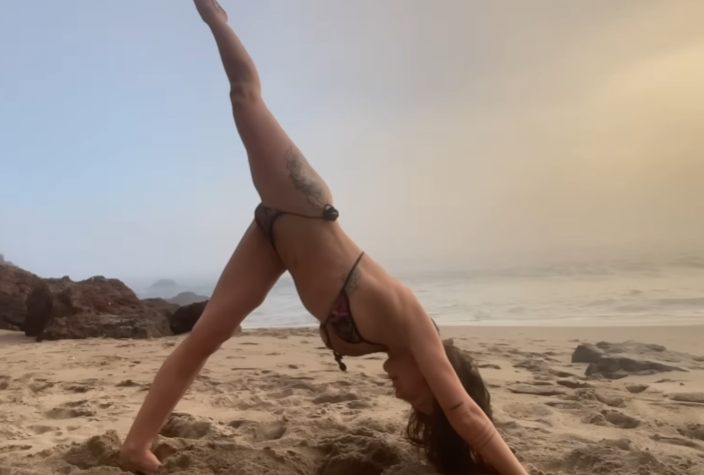
A gentle hip-focused yoga session often begins with simple movements to warm up the joints. Small, mindful motions help increase circulation and prepare the muscles for deeper stretches. This might include slow knee-to-chest movements while lying on your back, gentle rocking from side to side, or easy hip circles. These movements are accessible to almost everyone and help build confidence before moving into longer-held poses.
As the body warms up, beginner-friendly hip poses encourage gradual opening. Poses done on the floor are especially suitable for beginners because they provide stability and reduce pressure on the joints. Seated poses allow you to explore hip movement without worrying about balance, while lying-down poses offer deep relaxation and support. Standing poses, when introduced gently, help strengthen the muscles around the hips, creating stability alongside flexibility.
It is important to understand that hip flexibility does not improve overnight. The hips often hold years of tension, habits, and even emotional stress. Consistency matters more than intensity. Practicing yoga for hips just a few times a week can lead to noticeable improvements over time. Some days the hips may feel open and light; other days they may feel tight and resistant. Both experiences are normal. Yoga teaches patience and acceptance as much as it teaches physical movement.
Beginner hip yoga is also an excellent way to reduce lower back discomfort. Because the hips and lower back are closely connected, tight hips can pull on the spine, creating strain. Gentle hip opening can relieve this pressure, allowing the lower back to relax. Many beginners notice that after a hip-focused practice, they feel taller, lighter, and more comfortable sitting or standing.

Another powerful benefit of yoga for hips is stress relief. The hip area is often associated with stored tension and emotions. Slow, mindful hip stretches combined with deep breathing can feel surprisingly emotional for some people. This is completely normal. Yoga creates a safe space to release not only physical tightness but also mental and emotional stress. Beginners are encouraged to move slowly, rest when needed, and allow emotions to pass without judgment.
A beginner-friendly hip practice always includes moments of rest. Resting poses allow the body to absorb the benefits of the stretches and prevent overstimulation. These pauses are just as important as the active poses. They help the nervous system settle and teach beginners that yoga is not about constant effort. Learning when to rest is a valuable skill both on and off the mat.
Ending a yoga session with relaxation is especially beneficial for beginners. Gentle stillness allows the hips to soften naturally and helps integrate the practice into the body. This final rest can leave you feeling calm, grounded, and refreshed. Many people find that even a short hip yoga session can improve their mood and energy levels for the rest of the day.
For beginners, the key to success with yoga for hips is kindness toward the body. Flexibility varies greatly from person to person, and progress should never be measured against someone else. Some hips open easily, while others take more time. Both are perfectly okay. What matters most is showing up, breathing, and moving with awareness.

Yoga for hips can be practiced at any time of day. Morning sessions may help loosen stiffness after sleep and prepare the body for movement. Evening sessions can release tension built up from sitting or standing throughout the day. Even a short 10–15 minute practice can make a meaningful difference, especially when done regularly.
As you continue exploring beginner-friendly hip yoga, you may notice subtle changes beyond flexibility. Improved posture, smoother movement, better balance, and a deeper connection to your body often develop naturally. Yoga teaches you to notice how your hips feel and move, encouraging healthier habits in daily life, such as standing up more often, walking with awareness, and sitting with better alignment.
In conclusion, yoga for hips is a gentle yet powerful practice that is perfectly suited for beginners. It offers a safe and effective way to release tension, improve mobility, support the lower back, and reduce stress. With patience, consistency, and mindful breathing, even the tightest hips can begin to soften. Yoga reminds us that progress does not come from forcing the body, but from listening to it. By approaching hip yoga with curiosity and compassion, beginners can build a strong foundation for long-term physical comfort and overall well-being.