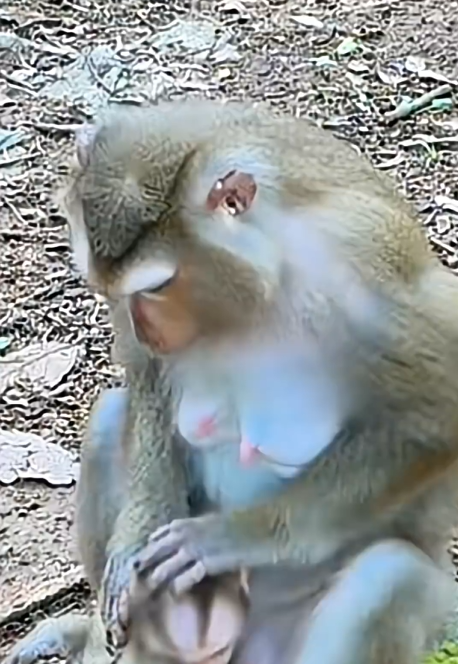
Observing monkeys in the wild is an endlessly fascinating experience. From their playful antics to their intricate social interactions, these intelligent creatures never fail to surprise and captivate. Among the most intriguing—and sometimes puzzling—behaviors is one that often leaves onlookers scratching their heads: adult monkeys, sometimes even mothers, occasionally pull the hair of their babies. At first glance, this behavior may seem harsh or aggressive, but closer study reveals it is far more complex, rooted in social bonding, learning, and instinctive parenting strategies.
Hair pulling is common across several monkey species, including macaques, capuchins, langurs, and even some smaller monkeys like squirrel monkeys. It can involve gentle tugging, brief pinches, or more vigorous interactions, depending on the situation and the individual monkey’s personality. While humans might interpret this behavior as painful or punitive, for monkeys it serves several critical purposes.
1. Social Bonding and Grooming Practices
One of the primary reasons monkeys pull their baby’s hair is related to grooming, a central social activity in primate communities. Grooming is more than just hygiene—it is a form of communication, trust-building, and social bonding. Mothers and other group members meticulously inspect their baby’s fur, picking out dirt, insects, and parasites. Hair pulling, in this context, helps the adult reach tangled fur or small areas where fleas or ticks may hide.
For the baby, this grooming is a sign of care and attention. Despite occasional discomfort, hair pulling during grooming establishes trust and familiarity between the infant and adult. The baby learns that being handled and examined is part of social interaction, helping it adapt to life within a troop. Over time, these gentle tugs become a form of bonding that strengthens the emotional connection between parent and child.
Interestingly, hair pulling is not restricted to mothers. Older siblings, aunts, uncles, and even unrelated adults may engage in this behavior. It signals acceptance and inclusion within the troop. By allowing their hair to be pulled, babies learn early on how to tolerate social attention, interpret subtle signals, and navigate relationships within the group.
2. Teaching and Discipline
Monkeys are highly intelligent and social animals, and adult monkeys often use mild physical interactions to teach their infants about boundaries and appropriate behavior. Hair pulling can serve as a form of gentle discipline. For example, a baby that is overly curious, rambunctious, or disruptive may receive a quick tug on the hair from its mother or another adult.
While it may look harsh, this action is rarely intended to cause harm. Instead, it communicates a clear message: pay attention, follow rules, or adjust your behavior. Over time, the baby learns social norms, including how to interact respectfully with elders, how to share resources, and how to behave during feeding, play, and rest periods.
Disciplinary hair pulling is often paired with vocalizations and body language. A mother may grunt or emit a low warning sound while pulling the hair, combining tactile and auditory signals. The baby quickly learns to associate these cues with correction or guidance, demonstrating that hair pulling is a subtle, sophisticated tool for teaching rather than an act of aggression.
3. Stimulating Development
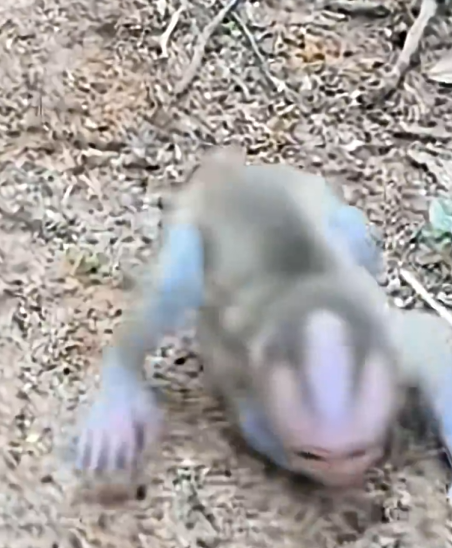
Another surprising reason for hair pulling is that it can help stimulate the baby’s physical and neurological development. Gentle tugging and handling improve muscle tone, coordination, and sensory awareness. Babies experience new textures, sensations, and movements, which can be crucial for developing fine motor skills.
For instance, when an adult monkey gently pulls the hair on a baby’s head or back, the baby reflexively responds by gripping, turning, or reaching. These responses strengthen muscles in the hands, arms, and core, preparing the infant for climbing, swinging, and exploring its environment independently. In this way, hair pulling is not merely social—it is functional, supporting the baby’s growth and survival skills.
4. Testing Strength and Confidence
Monkeys live in dynamic, sometimes competitive societies. Social confidence, physical resilience, and emotional resilience are critical traits for survival. Hair pulling helps babies learn these traits early in life. By experiencing controlled, non-harmful tugs from adults or older juveniles, babies discover their own strength and tolerance limits.
For example, a baby monkey that tolerates hair pulling without crying or panicking gains confidence. It learns that minor discomfort is temporary and manageable. This builds emotional resilience, reduces anxiety in social situations, and prepares the infant for inevitable challenges as it grows. Monkeys that develop early coping skills tend to navigate group hierarchies more successfully.
5. Reducing Stress in the Adult
Hair pulling is not just beneficial for the baby—it also serves a purpose for the adult. Grooming and tactile interaction can reduce stress and promote calm in adult monkeys. For mothers or caregivers, pulling a baby’s hair can help regulate their own emotions, providing a sense of control and connection. This mutual benefit reinforces the behavior: the adult feels relief or pleasure, and the baby gains care, learning, and stimulation.
In some studies, researchers observed that adult monkeys that frequently groom or interact physically with their babies exhibited lower cortisol levels, indicating reduced stress. Hair pulling, as a component of tactile engagement, contributes to this calming effect. In essence, it strengthens the emotional bond while providing psychological benefits for both participants.
6. Play and Exploration
Monkeys are playful creatures, and hair pulling often occurs during play. Babies and juveniles engage in rough-and-tumble interactions, sometimes involving gentle hair tugs. Play serves multiple purposes: it teaches coordination, promotes problem-solving, strengthens social bonds, and helps the baby explore limits.
During play, hair pulling is rarely aggressive. It is more like a game, with back-and-forth movements, chasing, and mock tussling. Adults may gently pull a baby’s hair, and the infant responds with vocalizations, gestures, or attempts to escape. This dynamic interaction is essential for social development, teaching babies how to handle physical contact and how to communicate their boundaries effectively.
Playful hair pulling also introduces babies to risk management. While being tugged, the infant learns to anticipate movements, balance its body, and respond with agility. These skills become crucial later when the monkey starts climbing trees, searching for food, or navigating complex social interactions.
7. Cultural Variations and Species Differences
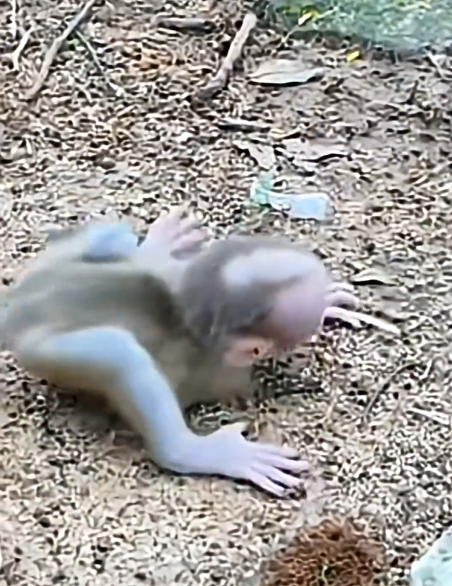
It’s important to note that hair-pulling behavior varies across species and groups. In some species, hair pulling is more frequent and socially accepted, while in others, it may be rare or limited to specific contexts. For example, capuchin monkeys are known for extensive tactile interaction, including hair pulling, whereas langurs may use it more sparingly, primarily for grooming purposes.
Within a single troop, individual personalities and social status also influence hair-pulling behavior. Dominant adults may engage in gentle pulling as a sign of authority, while more submissive adults may avoid it. Similarly, baby monkeys with bolder or more energetic personalities may experience more hair tugging as adults attempt to channel their energy appropriately.
8. Misinterpretation by Humans
To human observers, hair pulling can be misleading. It may appear abusive or cruel, especially when seen out of context. However, understanding monkey behavior requires recognizing the social, developmental, and communicative context. What seems painful is often mild and controlled. Babies rarely suffer harm, and the behavior serves essential purposes that contribute to survival and social cohesion.
Researchers studying primates emphasize the importance of avoiding anthropomorphism—projecting human moral judgments onto animal behavior. In the case of hair pulling, the behavior is functional, adaptive, and beneficial for both the baby and adult. It is a natural part of primate life, demonstrating intelligence, empathy, and social complexity.
9. Emotional Connections and Long-Term Bonds
Hair pulling also strengthens emotional bonds between mother and baby, and sometimes between other troop members and infants. By allowing and tolerating this behavior, babies learn trust, develop social awareness, and deepen connections with caregivers. The behavior is a form of communication, signaling care, attention, and engagement.
Over time, the baby monkey associates hair pulling with safety, guidance, and play. This creates a foundation for emotional security, critical for navigating the social hierarchy and forming future relationships. In this way, a seemingly simple act of pulling hair carries profound long-term significance.
10. Observational Evidence from the Wild
Field studies provide fascinating insights into hair-pulling behavior. Researchers observing macaques in Southeast Asia noted that mothers often combine hair pulling with vocalizations, facial expressions, and other tactile gestures. Infants respond differently depending on the intensity, context, and individual temperament of the adult. Gentle tugs during grooming or play elicit calm, attentive responses, while stronger tugs during corrective interactions teach caution or restraint.
In capuchin troops in South America, hair pulling is often accompanied by tail holding, gentle bites, or playful wrestling. Researchers found that infants who experienced regular hair pulling developed better motor coordination and stronger social skills, supporting the idea that hair pulling is an adaptive, developmental tool rather than a punitive act.
Conclusion
So why do monkeys pull their baby’s hair? The answer is multifaceted, combining social bonding, grooming, teaching, play, emotional regulation, and developmental stimulation. Far from being an act of cruelty, hair pulling is an integral part of primate life, serving both immediate and long-term purposes. It teaches infants social norms, builds physical and emotional resilience, strengthens parent-infant bonds, and fosters communication skills.
For humans observing this behavior, it serves as a reminder that animal actions cannot always be judged through a human lens. Hair pulling is not aggression—it is care, guidance, and connection. It is a reflection of the intelligence, adaptability, and social sophistication of monkeys. Each gentle tug, each playful pull, carries meaning, shaping the infant’s development and ensuring the continuation of complex social traditions within the troop.
Watching a mother monkey gently pull her baby’s hair, or seeing older troop members engage in the same behavior, is witnessing a subtle but powerful form of communication. It is a testament to the depth of primate social life, the intricacies of parenting in the wild, and the fascinating ways in which animals teach, bond, and prepare the next generation for survival. Hair pulling may seem puzzling at first, but for those who observe closely, it becomes a window into the intelligence, emotion, and enduring bonds that define monkey societies. 🐵