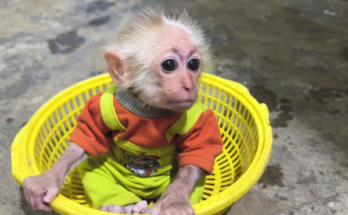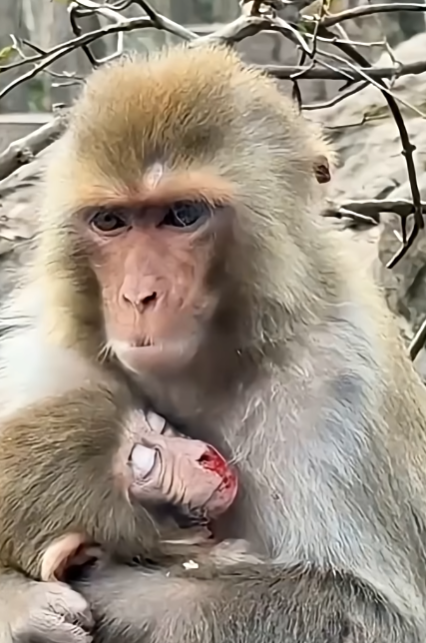
Life in the wild is full of challenges, and for monkeys, one of the most critical and often underestimated tasks is feeding. At first glance, it might seem simple—after all, monkeys can climb trees, forage for fruits, and sometimes even steal food from each other—but the reality is far more complicated. Feeding is not just about satisfying hunger; it is a complex dance involving survival, social hierarchy, competition, and even danger. Understanding the difficulties monkeys face in obtaining food provides insight into their behavior, intelligence, and adaptability.
The Daily Struggle for Food
Monkeys spend a large portion of their day searching for food. Depending on the species and environment, this can range from a few hours to more than half of their waking hours. Their diets are diverse: fruits, leaves, seeds, nuts, insects, and even small animals can form part of their meals. While this variety may seem advantageous, it also means that monkeys must constantly evaluate risk versus reward.
In tropical forests, where fruit is abundant but scattered, monkeys must travel long distances, climb high into treetops, and navigate through complex canopy systems. Each step carries potential danger—from predatory birds and snakes to rival monkeys competing for the same food. The simple act of feeding, therefore, involves vigilance, strategy, and physical effort.
Competition Within the Troop
Monkeys are social animals, and this adds another layer of complexity to feeding. Troops often have strict hierarchies, and access to food can be dictated by rank. Dominant individuals usually get first choice of the ripest fruits or the most nutritious leaves, while lower-ranking monkeys may need to wait, steal, or search for leftovers.
This social competition can create stress, especially for young or subordinate monkeys. Infants and juveniles often rely on adults to share food or teach them foraging skills. However, these learning moments can be fraught with challenges. A young monkey attempting to snatch fruit from a dominant adult may be scolded or even physically pushed away. Despite these obstacles, these interactions are crucial for social development and understanding the dynamics of the troop.
Feeding and Predation Risk
One of the most dangerous aspects of feeding is vulnerability. While a monkey is focused on eating, its attention is divided, making it an easier target for predators. Leopards, eagles, snakes, and even humans can pose threats. For smaller species like marmosets or tamarins, the risk is especially high. Feeding requires constant vigilance and quick reflexes.
Monkeys have developed various strategies to mitigate these risks. Some species feed in groups, allowing some individuals to act as lookouts while others eat. Others feed during specific times of the day when predators are less active. Some monkeys even hide or camouflage their food, consuming it in safer locations. Despite these precautions, danger is a constant companion in the life of a feeding monkey.
Seasonal Challenges
Food availability fluctuates with the seasons. During the wet season, fruits and insects may be abundant, but in the dry season, scarcity can turn feeding into a real struggle. Monkeys must remember the locations of fruiting trees, track animal movements for protein sources, and sometimes travel long distances to find sufficient food.
Scarcity increases competition both within and between troops. It can also lead to riskier behaviors, such as raiding human crops or scavenging near villages. These interactions often result in conflict, illustrating how the simple need to feed can have wide-reaching consequences.
Feeding Behavior and Innovation
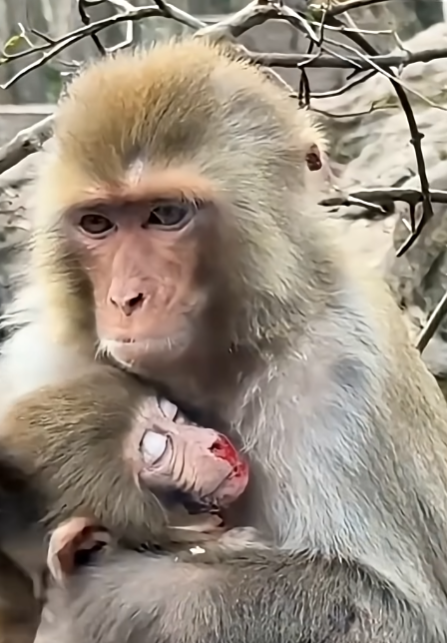
Monkeys are known for their intelligence, and their feeding behaviors reflect this. Some species, like capuchins and macaques, are highly innovative in finding and accessing food. They use tools to crack nuts, extract insects from tree bark, or even fish for food in shallow streams.
Innovation is often born out of necessity. When food is scarce, monkeys must experiment, observe others, and adapt quickly. These problem-solving skills are crucial for survival. Young monkeys learn from adults through imitation, trial, and error, developing the skills they need to secure food independently in the future.
Human Interaction and Feeding Trouble
Human activity has significantly complicated the feeding lives of monkeys. Deforestation, urban expansion, and agriculture reduce natural food sources, forcing monkeys to find alternative ways to feed. In many areas, monkeys have adapted to scavenging human food or raiding crops. While this provides calories, it introduces new risks—traffic accidents, conflicts with farmers, and exposure to unhealthy or contaminated foods.
Tourist areas are particularly problematic. Monkeys often learn that humans carry food, leading to aggressive begging, theft, and even injuries. What seems like easy access to food can create long-term problems, including nutritional imbalances and behavioral issues. Feeding trouble in this context is not just about scarcity—it is about navigating the dangers of living in proximity to humans.
Feeding Young Monkeys
One of the most challenging aspects of feeding is raising young. Infant monkeys rely heavily on their mother’s milk for the first few months, and as they grow, they must learn to forage for themselves. This transition, known as weaning, is a critical and often stressful period.
Mothers face the dual challenge of nourishing themselves and their babies. Foraging for enough food while protecting and teaching a young monkey requires energy, patience, and vigilance. The infant must gradually learn which foods are safe, how to handle them, and how to recognize edible items in a complex environment. Mistakes can be dangerous—ingesting toxic plants or being exposed to predators while distracted by food can have severe consequences.
Feeding and Social Learning
Feeding is not just about survival—it is also a critical opportunity for social learning. Young monkeys observe adults to learn what is edible, how to extract food, and even which foods are seasonal or rare. Sharing food within the troop reinforces social bonds and teaches cooperation.
Some species, such as the Japanese macaques, are famous for teaching young monkeys to wash sand off sweet potatoes before eating. These behaviors are transmitted culturally, showing that feeding in monkeys is both a practical and social endeavor. Troubles in feeding are not merely about finding food—they shape social hierarchies, learning, and even culture within a troop.
Health Challenges Related to Feeding
Monkeys can face serious health problems if feeding is inadequate or imbalanced. Malnutrition, vitamin deficiencies, and digestive issues can arise when natural food sources are scarce or when human-provided foods are inappropriate. Young monkeys are particularly vulnerable, and prolonged food scarcity can impact growth, immunity, and survival rates.
Disease transmission is another concern. Eating contaminated food, whether from humans, other animals, or decayed sources, can lead to infections or parasites. This adds another layer of challenge to the simple act of feeding, reminding us that survival is never guaranteed in the wild.
Emotional Stress and Feeding
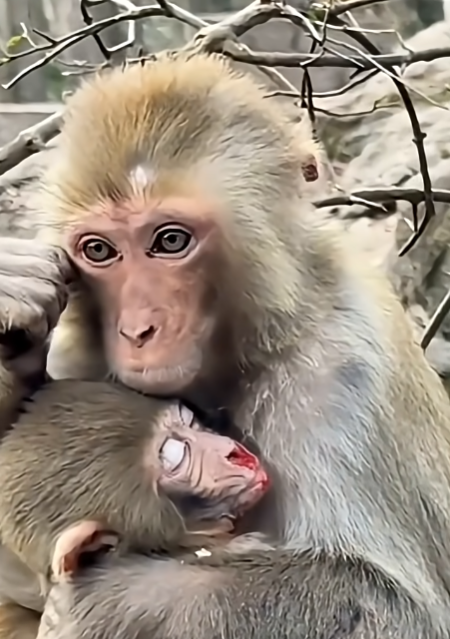
Feeding is not just physically challenging—it is emotionally taxing. Competition for food, predation risk, and the pressure of teaching or learning how to forage all contribute to stress. Monkeys, like humans, can experience anxiety and frustration when food is scarce or when access is denied.
Observations in the wild and in sanctuaries show monkeys displaying behaviors such as vocal protests, aggressive displays, or withdrawal when feeding is interrupted. These emotional responses highlight the complexity of their lives and the importance of food for both physical and mental well-being.
Feeding Strategies and Adaptation
Despite the challenges, monkeys are remarkably adaptable. They develop diverse feeding strategies to survive in complex environments:
- Opportunistic Foraging: Eating whatever is available, from fruits to insects to human scraps.
- Tool Use: Employing sticks, stones, or leaves to access food otherwise out of reach.
- Cooperative Feeding: Sharing or working together to obtain large or difficult-to-access food sources.
- Memory and Planning: Remembering the locations of fruiting trees or seasonal feeding grounds.
These strategies highlight the intelligence and flexibility of monkeys, allowing them to thrive despite the many troubles associated with feeding.
The Life Lesson in Feeding Trouble
Observing feeding challenges in monkeys offers broader lessons about resilience, problem-solving, and adaptation. Every meal is a negotiation with nature, a test of physical skill, intelligence, and social acumen. Troubles in feeding are not merely obstacles—they are opportunities for learning, growth, and survival.
Humans can also learn from these lessons. The patience, ingenuity, and adaptability of monkeys remind us that survival often depends on creative thinking, collaboration, and resilience in the face of scarcity or danger. Feeding trouble, in essence, is a universal story of striving, learning, and overcoming challenges.
Conclusion
Feeding in the life of a monkey is far from a simple task. It is fraught with competition, danger, scarcity, social tension, and emotional stress. Yet, it is also a source of learning, adaptation, and social bonding. Monkeys navigate these challenges with remarkable intelligence and resilience, demonstrating skills that are both practical and socially complex.
From finding food in the dense canopy to protecting and teaching their young, monkeys face constant feeding troubles that shape their lives in profound ways. Their struggles remind us that even seemingly ordinary activities, like eating, can involve a delicate balance of strategy, skill, and emotional intelligence.
Ultimately, the life of a monkey revolves around the quest for nourishment. Feeding is more than survival—it is a window into their behavior, culture, and the intricate dynamics of the natural world. Every fruit plucked, every leaf chewed, and every insect caught tells a story of challenge, perseverance, and ingenuity. In understanding the troubles of feeding, we gain not only appreciation for these incredible animals but also insight into the resilience and creativity that define life in the wild.
In a world where survival is never guaranteed, the daily struggle to feed is a testament to the determination, intelligence, and adaptability of monkeys. Feeding trouble is real, but so is the triumph of overcoming it—a story that unfolds every day in the forests, jungl