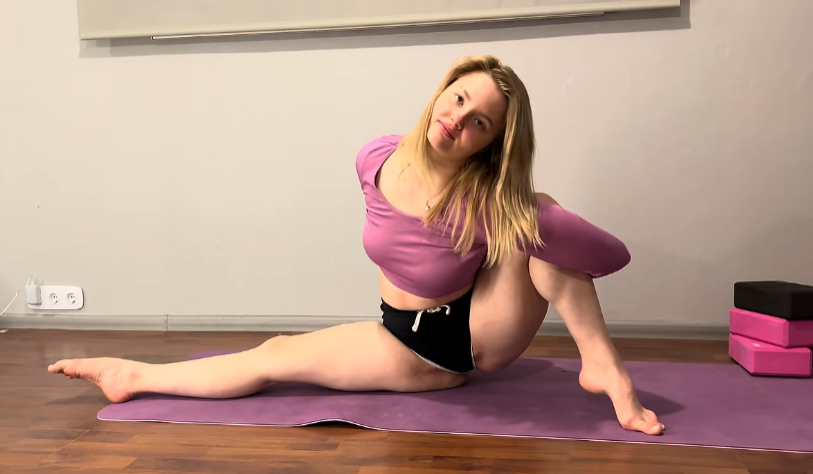
In today’s fast-paced world, our bodies often carry tension, stiffness, and stress. Long hours of sitting, repetitive movements, and the constant mental load can leave muscles tight, joints immobile, and minds restless. Stretching is a powerful practice that not only improves mobility and flexibility but also promotes relaxation, stress relief, and overall well-being. This guide explores a 1500-word comprehensive approach to stretching for mobility, flexibility, and mental calm, suitable for beginners, intermediate, and advanced practitioners.
Introduction: Why Stretching Matters
Stretching is often underestimated, but its benefits extend far beyond the physical. Regular stretching:
- Improves joint mobility and range of motion
- Reduces muscle stiffness and prevents injury
- Enhances blood circulation
- Relieves stress and mental tension
- Promotes mind-body connection
Mobility refers to the ability of joints to move freely in all directions, while flexibility focuses on the length of muscles and connective tissues. Together, they allow the body to perform movements safely, efficiently, and gracefully.
Relaxation and stress relief are natural byproducts of stretching. When muscles lengthen, tension stored in the body is released. Deep breathing during stretches activates the parasympathetic nervous system, calming the mind and reducing anxiety.
Preparing the Body: Warm-Up for Stretching
Before deep stretches, warming up the body is essential. A warm body allows muscles and joints to move safely, preventing strain. A 5–10 minute warm-up can include:
- Gentle Cardio: Marching in place, light jogging, or jumping jacks to increase blood flow.
- Dynamic Movements:
- Arm circles to loosen shoulders
- Hip circles to mobilize the hips
- Leg swings forward, backward, and sideways to prepare the hamstrings, quads, and hip flexors
- Torso Twists: Standing or seated, twist gently to activate the spine and core
Warming up creates readiness for deeper stretching and improves the overall effectiveness of the practice.
Stretching for Mobility
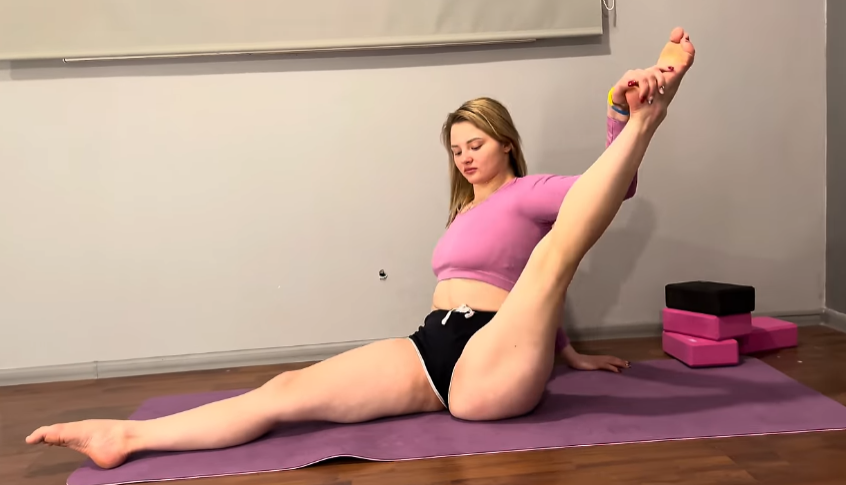
Mobility exercises target the joints and their surrounding muscles, allowing greater range of motion. These exercises improve functional movement and reduce stiffness.
Shoulder and Upper Back Mobility
- Cat-Cow Stretch: On hands and knees, alternate arching and rounding the spine. Inhale into Cow, lifting the chest, and exhale into Cat, rounding the back. This movement warms up the spine and shoulders.
- Thread the Needle: From hands and knees, slide one arm under the opposite arm, lowering the shoulder to the floor. Hold 15–30 seconds per side to open the shoulders and upper back.
- Shoulder Rolls and Arm Circles: Roll shoulders forward and backward, then make large circles with the arms to improve shoulder mobility.
Hip and Lower Back Mobility
- Hip Circles: Standing or on hands and knees, rotate the hips gently in both directions.
- Lunge with Rotation: Step into a low lunge, place the opposite hand on the floor, and rotate the torso toward the front leg, extending the arm upward. Hold 15–30 seconds per side.
- Seated Figure Four Stretch: Cross one ankle over the opposite knee while seated, then hinge forward to stretch the outer hip and glutes.
Spine and Core Mobility
- Seated or Standing Torso Twists: Rotate gently from the waist, keeping the hips grounded.
- Side Bends: Raise one arm overhead and lean to the opposite side to stretch the obliques.
- Pelvic Tilts: Lying on your back with knees bent, tilt the pelvis forward and backward slowly, mobilizing the lower spine.
Stretching for Flexibility
Flexibility stretches target muscles, tendons, and connective tissue, increasing length and reducing tightness. These stretches should be held longer and performed with mindful breathing.
Hamstrings and Calves
- Seated Forward Fold (Paschimottanasana): Sit with legs extended, hinge at the hips, and reach toward your toes. Keep the spine long and breathe deeply.
- Standing Forward Fold (Uttanasana): Stand tall, hinge at the hips, and let the upper body hang. Slightly bend the knees if necessary.
- Calf Stretch Against Wall: Place the toes of one foot against a wall, press the heel down, and lean forward gently.
Hip Flexors and Quadriceps
- Low Lunge Stretch: Step one foot forward into a lunge, drop the back knee, and press hips forward. Hold 30–60 seconds per side.
- Standing Quad Stretch: Grab one ankle and pull the heel toward the glutes, keeping knees together and pelvis neutral.
- Pigeon Pose: From a plank, bring one knee forward, placing it behind the hands. Extend the opposite leg back and hinge forward for a deep hip opener.
Inner Thighs and Adductors
- Butterfly Stretch: Sit with the soles of your feet together, knees falling outward. Press gently on the knees to deepen the stretch.
- Seated Wide-Leg Forward Fold: Extend the legs wide and fold forward, keeping the spine long and chest open.
- Frog Pose: Kneel on the mat, knees wide apart, feet turned out, and hips lowered. Lean forward for an inner thigh stretch.
Spine and Upper Body Flexibility
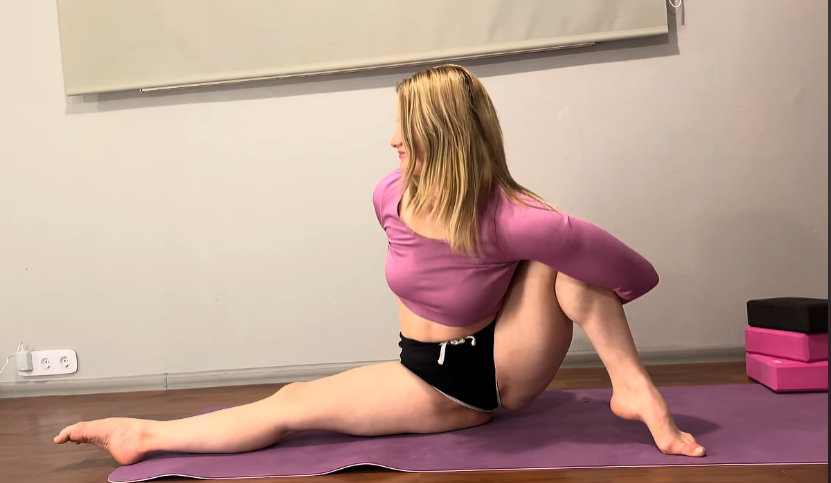
- Cobra or Upward-Facing Dog: Lie prone, hands under shoulders, lift the chest, and extend the spine.
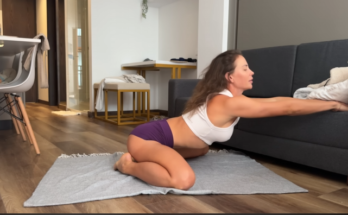
- Child’s Pose: Sit back on heels with arms extended forward, stretching the spine and shoulders.
- Side Body Stretch: From standing or seated, raise one arm overhead and reach to the opposite side to lengthen the side body.
Mindful Breathing for Relaxation
Stretching is more effective when paired with conscious breathing. Proper breathing helps muscles release tension, improves oxygen flow, and enhances relaxation.
- Inhale to lengthen: Visualize the spine and muscles extending.
- Exhale to release tension: Allow the body to sink deeper into the stretch.
- Long, steady breaths: Slow exhalation activates the parasympathetic nervous system, reducing stress.
Breathing transforms stretching from a physical activity into a meditative practice, calming both mind and body.
Flow Sequence for Stress Relief
Combining mobility and flexibility stretches into a flow creates a holistic experience for relaxation and stress relief. A sample 20–30 minute sequence:
- Warm-Up (5 minutes): Gentle jogging in place, dynamic stretches, torso twists
- Shoulder and Spine Mobility (5 minutes): Cat-Cow, Thread the Needle, Shoulder Rolls
- Hip and Leg Mobility (5 minutes): Hip Circles, Lunge with Rotation, Figure Four Stretch
- Flexibility Stretches (10 minutes): Seated Forward Fold, Low Lunge, Butterfly, Pigeon Pose, Wide-Leg Forward Fold
- Relaxation and Breath (5 minutes): Child’s Pose or Savasana, deep conscious breathing
This sequence addresses tension in the upper body, hips, legs, and spine while calming the nervous system.
Incorporating Contortion-Inspired Techniques
For advanced practitioners, contortion principles can deepen stretches safely. Techniques include:
- Active Flexibility: Engage muscles while stretching to improve control and strength in extreme ranges of motion.
- PNF Stretching (Proprioceptive Neuromuscular Facilitation): Contract the muscle before relaxing into a deeper stretch to increase flexibility.
- Dynamic Flow Stretches: Combine controlled movements with stretches, such as moving from low lunge to split leg lifts.
These approaches enhance flexibility, mobility, and body awareness while maintaining safety.
Benefits Beyond the Physical
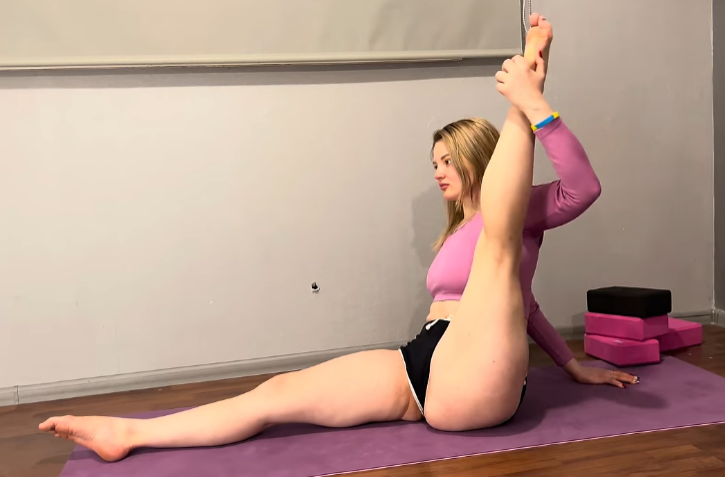
Stretching for mobility and flexibility also provides significant mental and emotional benefits:
- Stress Relief: Lengthening tight muscles releases tension stored from stress.
- Mind-Body Connection: Mindful stretching improves body awareness and coordination.
- Better Sleep: Relaxed muscles and calm nervous system promote restful sleep.
- Injury Prevention: Flexible, mobile muscles and joints reduce the likelihood of strains and sprains.
- Improved Posture: Stretching tight muscles opens the chest, strengthens the back, and encourages proper alignment.
Regular practice improves overall quality of life by combining physical, mental, and emotional benefits.
Tips for Safe and Effective Stretching
- Avoid bouncing: Stretch slowly and steadily to prevent injury.
- Don’t force flexibility: Work within your limits and progress gradually.
- Use props: Yoga blocks, straps, or cushions can support alignment and enhance stretches.
- Consistency matters: Short daily sessions are more effective than occasional long sessions.
- Listen to your body: Mild discomfort is okay, sharp pain is a signal to stop.
Conclusion
Stretching for mobility and flexibility is a holistic practice that strengthens the body, calms the mind, and reduces stress. By combining gentle warm-ups, mobility exercises, flexibility stretches, contortion-inspired techniques, and mindful breathing, practitioners can achieve stronger, more flexible muscles and improved joint function.
Incorporating a consistent stretching routine creates space for relaxation, stress relief, and body awareness. The benefits go beyond the mat: improved posture, enhanced circulation, reduced tension, and greater emotional calm.
Whether for athletes, yoga enthusiasts, or anyone seeking relief from daily tension, stretching is a powerful tool. It reminds us that flexibility is not just physical but mental and emotional. Every stretch is an opportunity to connect with the body, release stress, and cultivate a sense of balance and peace in life.
With patience, mindfulness, and dedication, anyone can experience the transformative effects of stretching for mobility, flexibility, and relaxation.