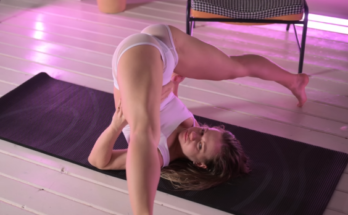
Inner Alignment Flow is not a destination but a living process—an ongoing conversation between the mind, the body, and the quiet intelligence that lives beneath both. In a world that constantly pulls our attention outward, this flow invites us to return inward, to listen, and to move in harmony with who we truly are. It is about alignment rather than perfection, flow rather than force, and awareness rather than control.
At its heart, Inner Alignment Flow begins with presence. Presence is the doorway through which alignment becomes possible. When the mind is scattered between past regrets and future worries, the body follows with tension, shallow breathing, and restless movement. Alignment asks us to arrive fully in the present moment, to notice what is happening now without judgment. This simple act of noticing—how the breath moves, how the spine feels, how emotions rise and fall—creates space. In that space, clarity begins to form.
Breath is the first anchor of Inner Alignment Flow. Breath is always available, always honest. It reflects our inner state instantly: fast and shallow when we are anxious, slow and deep when we are calm. By consciously guiding the breath, we begin to guide the nervous system. Inhaling with awareness invites energy and openness; exhaling with intention releases tension and resistance. Over time, the breath becomes a bridge between unconscious habits and conscious choice.

As breath steadies, body awareness deepens. Inner Alignment Flow honors the body not as an object to be controlled but as a messenger to be understood. Subtle sensations—tightness in the shoulders, heaviness in the chest, lightness in the legs—carry information about our emotional and mental states. Instead of pushing through discomfort, alignment encourages listening. Sometimes alignment means gentle movement; sometimes it means stillness. The wisdom lies in knowing the difference.
Movement within Inner Alignment Flow is slow, intentional, and responsive. Rather than following rigid external forms, movement arises from inner cues. The spine lengthens naturally as the breath expands. The joints soften when the mind releases urgency. Each transition is as important as each position, reminding us that life itself is lived in transitions. Flow is not about speed; it is about continuity and ease.
At the mental level, Inner Alignment Flow cultivates clarity and coherence. Thoughts are observed rather than obeyed. Patterns of self-criticism, fear, or comparison lose their grip when met with awareness. Alignment does not mean eliminating thoughts; it means choosing which ones to engage. As mental noise quiets, intention becomes clearer. We begin to act from purpose rather than reaction.
Emotionally, Inner Alignment Flow creates a safe space for honesty. Emotions are energy in motion, and when they are suppressed or ignored, they disrupt flow. Alignment allows emotions to be felt without being overwhelming. Sadness can soften the heart, anger can reveal boundaries, joy can expand presence. By allowing emotions to move through us, we prevent stagnation and restore balance.

A key principle of Inner Alignment Flow is non-resistance. Resistance creates friction; friction breaks flow. This does not mean passive acceptance of harmful situations, but rather acceptance of what is happening internally in this moment. When we stop fighting our own experience, energy previously used for resistance becomes available for growth and healing. Alignment emerges naturally when we stop forcing change and start allowing awareness.
Over time, Inner Alignment Flow extends beyond personal practice into daily life. Simple actions—walking, speaking, listening—become opportunities for alignment. We notice when our words match our values and when they do not. We feel when a decision resonates deeply and when it creates inner tension. This sensitivity becomes a compass, guiding us toward choices that feel grounded and authentic.
Relationships are also transformed through Inner Alignment Flow. When we are aligned within ourselves, we communicate more clearly and listen more deeply. We respond rather than react. Boundaries become natural rather than defensive. Alignment within creates harmony without, not because others change, but because we show up whole and present.
Inner Alignment Flow also teaches patience. Alignment is not achieved once and kept forever. It shifts daily, sometimes moment by moment. There will be days of ease and days of struggle. The practice is not about judging these fluctuations but about meeting them with curiosity. Each return to awareness strengthens trust in the process.

In times of stress or uncertainty, Inner Alignment Flow becomes especially valuable. When external structures feel unstable, inner alignment provides steadiness. Grounding attention in the body and breath helps regulate overwhelm. Reconnecting with values and intention reminds us of what truly matters, even when outcomes are unclear.
Ultimately, Inner Alignment Flow is a practice of integration. It brings together thinking and feeling, effort and rest, individuality and connection. It reminds us that alignment is not something we achieve by adding more, but by removing what is unnecessary—tension, noise, and self-imposed pressure.
When we live in Inner Alignment Flow, life feels less like a struggle and more like a conversation. Challenges still arise, but they are met with resilience rather than resistance. Joy is felt more fully because it is not rushed. Stillness is appreciated because it is not feared.
Inner Alignment Flow invites us to trust our inner rhythm. To move when it is time to move, to rest when it is time to rest, and to listen always. In doing so, we discover that alignment is not something we need to search for—it is something we return to, again and again, by simply coming back to ourselves.