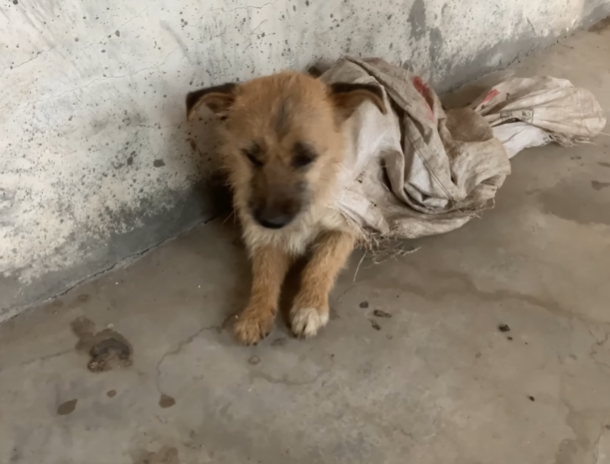
It was one of those gray, drizzling mornings where the clouds hung low and the streets were empty. I had stepped out to get some air, my thoughts tangled and my shoes soggy, when I heard the soft, anxious whines coming from the alley nearby. At first, I thought it was a cat, but as I moved closer, the sound became sharper, more desperate. Then I saw it—a small, trembling dog, its fur matted and dirty, and its eyes wide with fear.
The dog was crouched behind a pile of trash, teeth bared, growling quietly, and its body tensed like a coiled spring. The growl wasn’t aggressive—it was defensive. Protective. It wanted me to stay away, and I could feel the tension radiating from it. I froze, unsure of how to approach.
It wanted to bite me, thinking I was going to hurt it. And in that moment, I understood: this dog had been scared for too long, abandoned, hurt, or maybe both.
The First Encounter
I slowly crouched down on the damp ground, keeping my hands visible and my voice low. “Hey… it’s okay. I won’t hurt you,” I whispered. My words seemed absurd, but I had to try. The dog’s ears flattened against its head, and it let out a sharp growl, teeth glinting even in the dim morning light. Its tail was tucked tightly under its body, a clear signal that it wanted to escape more than anything else.
I stayed still for several minutes, letting it watch me. I could see its chest rise and fall rapidly—fear mixed with curiosity. Slowly, I extended my hand, palm open, fingers trembling slightly. Every instinct in me screamed to pull back if it lunged, but I held my ground. The dog flinched at the motion, retreating a few steps, growling softly but not running completely away.
I realized something important in that moment: trust would have to be earned. Fast movements, loud voices, or even eye contact could make it worse. I needed patience.
Building a Connection
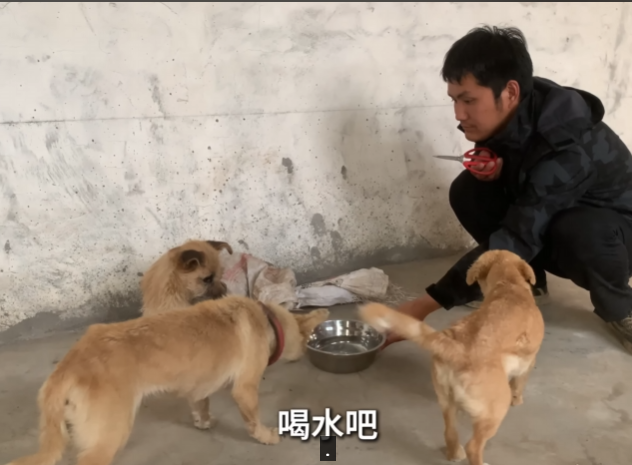
Over the next few days, I returned to the alley at roughly the same time, always bringing a small bowl of water and some leftover chicken. The dog would watch me from a distance, crouched behind the same trash pile, still ready to bite if I got too close.
The first few times, it barked, snapped, and bared its teeth. I never made any sudden moves. I would talk softly, place the food near the ground, and step back. Slowly, inch by inch, the dog began to approach while I stayed still. I would freeze when it came closer, letting it decide whether I was safe. Each step it took toward me was a small victory, a silent agreement: maybe humans weren’t all dangerous.
I learned to read its body language carefully. If the ears twitched forward slightly, that meant curiosity. If it crouched more, that meant fear. If the tail wagged slowly, there was hope. Every tiny sign of trust became a reason to continue.
The First Bite Attempt
On the fourth day, as I reached out to place the food directly on the ground near the dog, it lunged suddenly, snapping at my hand. I froze. My heart pounded, adrenaline rushing through me. I could feel the air move as its teeth passed just inches from my skin.
It was terrifying—but I didn’t pull back immediately. Instead, I kept my hand still, palm open, eyes soft, voice calm. “It’s okay… I’m not going to hurt you,” I whispered again. The dog froze mid-lunge, and after several tense seconds, it backed away. It didn’t growl anymore, just whimpered softly and kept its distance.
That single moment taught me more than any book or video ever could: fear is not aggression. Fear is instinct, survival. The dog wasn’t trying to attack me—it was trying to protect itself from a world that had probably been cruel too many times.
Breaking Down Walls
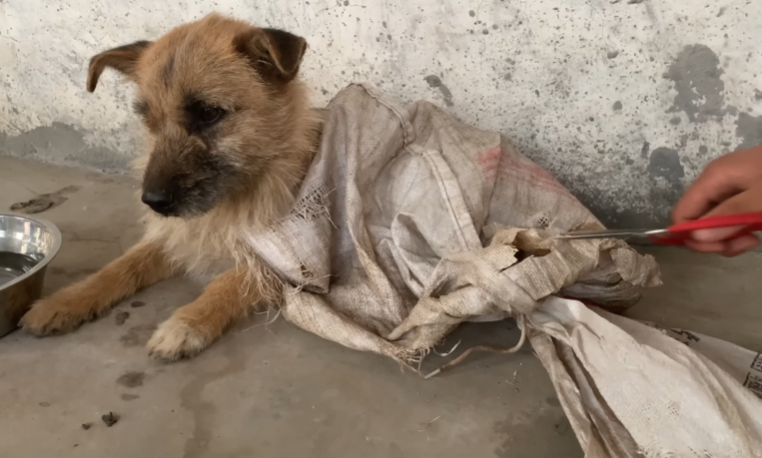
Over the next week, small changes became noticeable. The dog no longer lunged at the food. Instead, it sniffed, stepped back, and then cautiously began to eat. Its ears were still flat, its tail tucked most of the time, but it was beginning to relax in my presence.
I started bringing a soft blanket and a leash. I never forced contact. Every day, I spent at least an hour sitting near the alley, reading quietly, or talking softly. Eventually, it would allow me to extend a hand slowly toward its side. I would let it sniff me, back away if it flinched, and then wait for the next opportunity.
The first time it let me scratch behind its ears was a moment I will never forget. Its body remained stiff at first, but then, gradually, it leaned into the touch. Its eyes softened, and I could see the relief—the release of tension that had probably been built over years of fear and neglect.
A Leap of Trust
One morning, after two weeks of careful patience, the dog approached me fully. It stood in front of me, tail slightly wagging, ears tilted forward. I extended my hand slowly. For a heartbeat, it sniffed, then pressed its head gently into my palm.
It was a leap of trust. A declaration that not all humans hurt. A small but powerful act of bravery. I whispered, “You’re safe. I won’t let anyone hurt you.” Its body trembled slightly, not from fear this time, but from the release of tension it had been carrying for so long.
From that day on, things moved faster. The dog allowed me to pick up the blanket and wrap it around its small, skinny frame. I could slip a leash over its neck without resistance. Every step forward was built on trust, earned through patience, kindness, and the understanding that fear cannot be rushed.
The Transformation
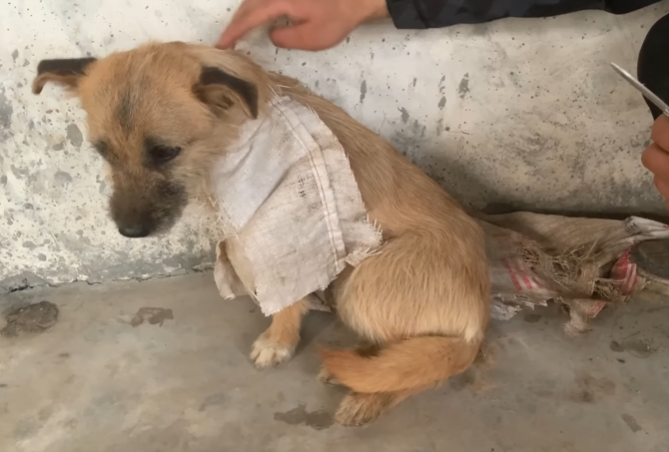
Weeks later, the transformation was remarkable. The small, trembling, growling dog had become playful, affectionate, and energetic. It still flinched occasionally at sudden movements or loud noises, but it had learned that not every human hand brings pain.
I named him Shadow, because he had spent so much of his life hiding in the shadows, too scared to move, too scared to trust. But even Shadow couldn’t hide from the warmth, patience, and gentle care that had changed his life.
His eyes, once wide with fear, now gleamed with curiosity and joy. His tail wagged constantly when he saw me. He would come running, eager to greet not just me, but anyone who treated him kindly. Shadow had learned that the world could be safe again—that love could exist, even for the most frightened heart.
The Lesson
Shadow taught me something invaluable: fear can look like aggression, but it is never the same as malice. Every growl, every bite attempt, was a call for help, not harm. Every defensive posture was a plea for understanding.
Animals like Shadow—scared, abandoned, or hurt—do not need punishment. They need patience. They need gentle persistence. They need someone who understands that trust is earned, not demanded.
It took weeks, careful observation, and countless moments of stillness and patience. But eventually, the scared dog that wanted to bite anyone thinking it would hurt him became a loyal, loving companion—a living testament to what kindness and understanding can do.
Conclusion
It wanted to bite me, thinking I was going to hurt it. But that fear transformed, slowly, into trust. That growling, trembling dog became my friend, my companion, and a reminder that even the most frightened hearts can learn to love again.
Shadow’s story is not just about a scared dog—it is about patience, empathy, and the quiet power of care. It is about understanding that what looks like aggression may be fear, and that fear can be melted away with gentleness.
In the end, a scared dog taught me one of life’s simplest, most profound truths: trust may be fragile, but with patience and love, it can grow into something unbreakable.