
There’s a quiet truth many people don’t realize until it’s too late: stiffness is not just a sign of aging—it’s a sign of neglect. The body is designed to move, stretch, rotate, and flow. When it doesn’t, it slowly begins to feel older than it really is. Joints tighten, muscles shorten, and simple movements start to feel like effort. But the good news? You can reverse much of this—and it starts with mobility.
Mobility isn’t just about stretching. It’s about reclaiming control over your body. It’s the ability to move freely, without pain, without restriction, and without hesitation. When you improve your mobility, you’re not just increasing flexibility—you’re boosting recovery, preventing injury, and unlocking a more youthful version of yourself.
Think about how children move. They squat effortlessly, twist without strain, and jump with ease. There’s no stiffness, no hesitation. That natural freedom of movement is what mobility training aims to restore.
A full body mobility routine doesn’t require hours in the gym. In fact, just 10–20 minutes a day can create noticeable changes. The key is consistency and intention. Each movement should be controlled, slow, and focused. You’re not rushing—you’re reconnecting with your body.
Start with your spine—the center of all movement. Gentle spinal waves and rotations help release tension built up from sitting and poor posture. As you move your spine, you’ll feel your entire body begin to loosen. This is where recovery begins. When your spine moves better, everything else follows.
Next, focus on your hips. Tight hips are one of the biggest contributors to lower back pain and reduced mobility. Deep lunges, hip circles, and controlled squats help open up this critical area. Over time, you’ll notice improved posture, reduced discomfort, and better performance in everyday movements.

Your shoulders are another key area. Modern life—phones, computers, and long hours sitting—causes the shoulders to round forward and lose mobility. Shoulder rolls, arm circles, and controlled reaches help restore balance. When your shoulders move freely, your upper body feels lighter and more capable.
Don’t forget your ankles and wrists. These smaller joints often get ignored, but they play a huge role in overall movement. Simple rotations and gentle stretches can improve stability and prevent injury. Strong, mobile joints create a solid foundation for the rest of your body.
Breathing is an essential part of mobility that many overlook. Deep, controlled breathing helps relax the nervous system and allows your muscles to release tension. As you move, focus on slow inhales and exhales. This not only improves your mobility session but also enhances recovery.
One of the most powerful benefits of mobility training is recovery. After intense workouts or long days, your body needs help to reset. Mobility exercises increase blood flow, reduce soreness, and help your muscles repair faster. Instead of feeling stiff the next day, you wake up feeling refreshed and ready to move again.
But the benefits go beyond physical recovery.
Mobility training has a profound effect on how you feel overall. When your body moves better, your mind feels better. There’s less discomfort, less tension, and more energy. You stand taller, move with confidence, and carry yourself differently. This is where the “feel younger” effect truly comes to life.
Aging is inevitable, but how you age is largely within your control.
Many people accept pain and stiffness as a normal part of getting older. But in reality, much of it comes from lack of movement. When you prioritize mobility, you’re actively fighting against that decline. You’re telling your body to stay active, stay strong, and stay capable.

Consistency is everything.
You don’t need to push yourself to extremes. In fact, mobility is not about intensity—it’s about quality. Slow, controlled movements done regularly will always outperform occasional intense sessions. Even on your busiest days, a short routine can make a big difference.
Here’s a simple full body mobility flow you can follow:
Start with gentle neck rotations to release tension. Move slowly, feeling each motion.
Transition into shoulder rolls and arm circles, gradually increasing your range of motion.
Flow into spinal movements—cat-cow stretches or standing twists—to wake up your core.
Move into hip openers like lunges and deep squats. Take your time here, breathing deeply.
Finish with ankle and wrist mobility exercises to complete the chain.
This entire routine can be done in under 15 minutes, yet the impact can last all day.
Over time, you’ll notice changes.
Movements that once felt tight will feel smooth. Pain that once lingered will begin to fade. Your body will feel lighter, more responsive, and more alive. These are not temporary results—they are lasting transformations.
Mobility is also one of the best forms of injury prevention. When your joints and muscles move properly, you reduce the risk of strains, tears, and imbalances. It’s like giving your body regular maintenance, keeping everything running smoothly.
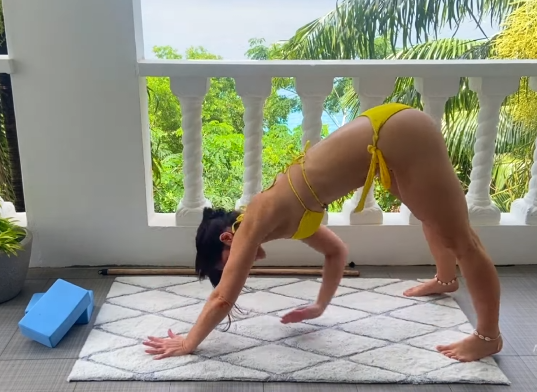
And perhaps most importantly, mobility brings awareness.
In a world where we often disconnect from our bodies, mobility training forces you to slow down and pay attention. You begin to notice how you move, where you feel tight, and what your body needs. This awareness is powerful—it allows you to take control of your health in a meaningful way.
The “anti-aging” effect of mobility isn’t just about appearance—it’s about function. It’s about being able to move freely, without pain, at any age. It’s about maintaining independence, confidence, and vitality.
Imagine waking up each day without stiffness. Imagine moving through your day with ease, whether you’re walking, bending, or exercising. Imagine feeling strong, flexible, and energized—not just now, but for years to come.
That’s what mobility offers.
It’s simple, effective, and accessible to everyone.
You don’t need expensive equipment or a gym membership. All you need is your body, a small space, and the commitment to show up consistently.
Start today.
Move gently, move intentionally, and listen to your body.
Because the more you move well, the better you live.
And when your body feels young, pain-free, and strong—you don’t just add years to your life…
You add life to your years. 🔥