In today’s fast-paced world, tension quietly builds up in the body without us even noticing. Long hours sitting at desks, constant phone use, stressful schedules, and lack of movement slowly create tight muscles and mental fatigue. By the end of the day, many people feel stiff shoulders, an aching back, tight hips, and a mind that refuses to slow down.
The body begins to feel heavy, almost as if it is carrying invisible weight.
But what if you could simply melt that tension away?
Learning how to relax the body completely is an important part of overall health. When muscles stay tense for too long, they can cause discomfort, headaches, poor posture, and even difficulty sleeping. Relaxation techniques combined with gentle stretching can help release that tension and restore balance.
The goal is not intense exercise or pushing the body to its limits. Instead, it is about slowing down, breathing deeply, and allowing the body to soften and relax.
Understanding Physical Tension
Before learning how to release tension, it helps to understand why the body holds it in the first place.
When we experience stress, the body activates a natural response often called the “fight or flight” reaction. Muscles tighten, breathing becomes shallow, and the nervous system becomes alert. This response is helpful in dangerous situations, but when it happens repeatedly in everyday life, the muscles never fully relax.
Common areas where tension builds up include:
- The neck and shoulders
- The lower back
- The hips
- The jaw
- The legs and calves
Over time, this constant tension can make the body feel stiff and uncomfortable.
The good news is that the body also has a natural ability to release tension when given the right signals.
The Power of Slow Breathing
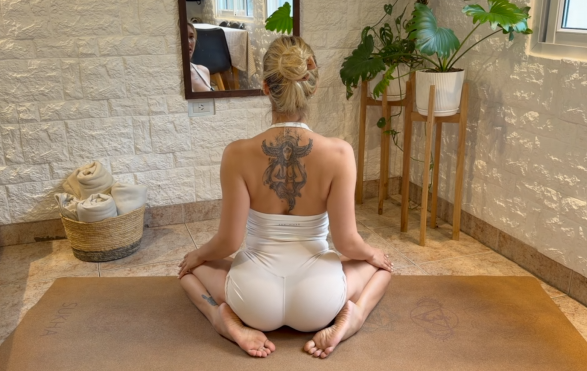
One of the simplest ways to melt tension is through slow, deep breathing.
When you breathe slowly and deeply, the nervous system shifts into a relaxed state. The heart rate slows down, muscles begin to loosen, and the mind becomes calmer.
Start by sitting or lying comfortably.
Close your eyes if possible and take a slow breath through your nose. Allow your belly to expand as the air fills your lungs. Then exhale slowly through your mouth.
Repeat this breathing pattern for several minutes.
With each exhale, imagine stress leaving the body.
This simple technique signals the body that it is safe to relax.
Gentle Neck and Shoulder Release
The neck and shoulders are among the most common areas for tension. Many people unconsciously raise their shoulders or tilt their heads forward while using phones or computers.
To release this tension, begin with slow neck movements.
Gently tilt your head toward one shoulder and hold for a few seconds. Then return to the center and repeat on the other side.
Next, roll your shoulders slowly backward in wide circles.
As you move, focus on relaxing the muscles rather than forcing the stretch. These small movements help restore circulation and loosen tight areas.
Stretching the Spine
The spine carries much of the body’s tension, especially after long hours of sitting.
A simple spinal stretch can help restore mobility and relaxation.
Stand or sit comfortably and slowly reach your arms overhead. Lengthen your spine upward as if you are growing taller. Hold for a few breaths, then gently lean to one side and then the other.
Another helpful movement is a gentle forward fold. Slowly bend forward from the hips and allow your arms and head to hang loosely.
This position stretches the back and helps release tension along the spine.
Releasing the Hips
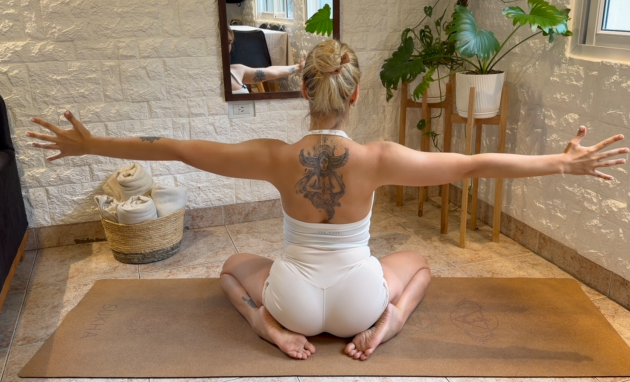
The hips are another area where stress often hides.
Long periods of sitting cause the hip muscles to tighten, which can lead to stiffness in the lower back and legs.
A simple hip stretch can help relieve this tension.
Sit on the floor and cross one ankle over the opposite knee. Slowly lean forward while keeping your back straight.
You should feel a gentle stretch in the outer hip.
Hold the position for several breaths before switching sides.
Relaxing the hips allows the lower body to feel lighter and more flexible.
The Magic of Full Body Relaxation
Sometimes the best way to release tension is to simply lie down and let the body rest.
This practice is often called progressive relaxation.
Lie comfortably on your back with your arms resting at your sides. Close your eyes and begin focusing on different parts of your body.
Start with your toes. Gently tighten them for a moment, then release completely.
Move slowly upward through the body—calves, thighs, hips, stomach, shoulders, arms, and face.
Each time you release a muscle group, allow it to become soft and heavy.
This method helps the body recognize the difference between tension and relaxation.
The Role of Gentle Movement
While stillness can help, gentle movement is also important for releasing tension.
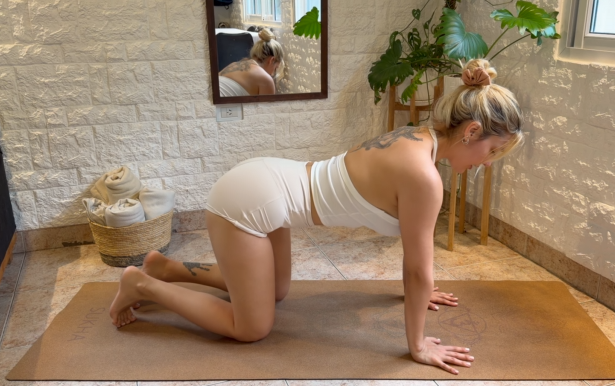
Slow yoga-style movements are particularly effective.
For example, Child’s Pose allows the back and shoulders to stretch while encouraging deep breathing. Cat-Cow movements gently mobilize the spine and help release stiffness.
These movements should always be slow and controlled.
The purpose is not to challenge the body but to guide it toward relaxation.
Creating a Relaxation Routine
One of the most effective ways to melt tension is by building a simple daily routine.
Even just 10–15 minutes of relaxation each day can make a noticeable difference.
A simple routine might include:
- Deep breathing for two minutes
- Gentle neck and shoulder stretches
- A spinal stretch or forward fold
- A hip stretch
- Five minutes of full-body relaxation
This routine can be done in the morning, during a work break, or before bed.
Over time, these small habits teach the body to release tension more easily.
Mental Relaxation Matters Too
Physical tension is often connected to mental stress.
When the mind is busy or overwhelmed, the body reflects that tension through tight muscles and shallow breathing.
Practices such as meditation, mindful breathing, or simply sitting quietly for a few minutes can help calm the mind.
Listening to soft music, dimming the lights, or stepping outside for fresh air can also encourage relaxation.
The mind and body work together, so calming one naturally helps calm the other.
Let Your Body Melt
Imagine the feeling of ice slowly melting under warm sunlight.
The same gentle transformation can happen within your body.
Muscles that once felt tight and heavy begin to soften. Breathing becomes slower and deeper. The mind grows quiet and peaceful.
Instead of carrying the weight of stress, the body begins to feel light again.
Learning to erase tension is not about one single exercise or technique. It is about creating moments during the day when you allow yourself to pause, breathe, and reconnect with your body.
When you give your body permission to relax, it naturally begins to heal and restore itself.
So take a few minutes today to stretch, breathe, and slow down.
Let the stress fade away.
Let the tension dissolve.
And most importantly, allow your body to melt into a state of calm, comfort, and balance. 🌿🧘♀️✨